

Liquid Barium Cadmium Zinc PVC Stabilizer

|
Product |
Grade |
Application |
Remark |
|
Liquid Ba Cd Zn Stabilizer |
CH-301 |
E-PVC & S-PVC |
General purpose,soft & semi-rigid PVC |
|
CH-302 |
E-PVC & S-PVC |
High transparency,soft & semi-rigid PVC |
▼ Product Overview
Liquid barium cadmium zinc stabilizer for flexible and semi-rigid PVC applications.
Designed for processes such as calendering, extrusion, and plastisol.
Provides high thermal stability, good transparency, and consistent processing performance in demanding PVC formulations.
▼ Key Characteristics
• High thermal stability during high-temperature processing
• Excellent initial color and long-term color retention
• High transparency for clear and coated PVC products
• Good compatibility with PVC resin and plasticizers
• Stable processing behavior with low plate-out tendency
• Good dispersion, reducing defects such as haze or streaking
▼ Typical Applications
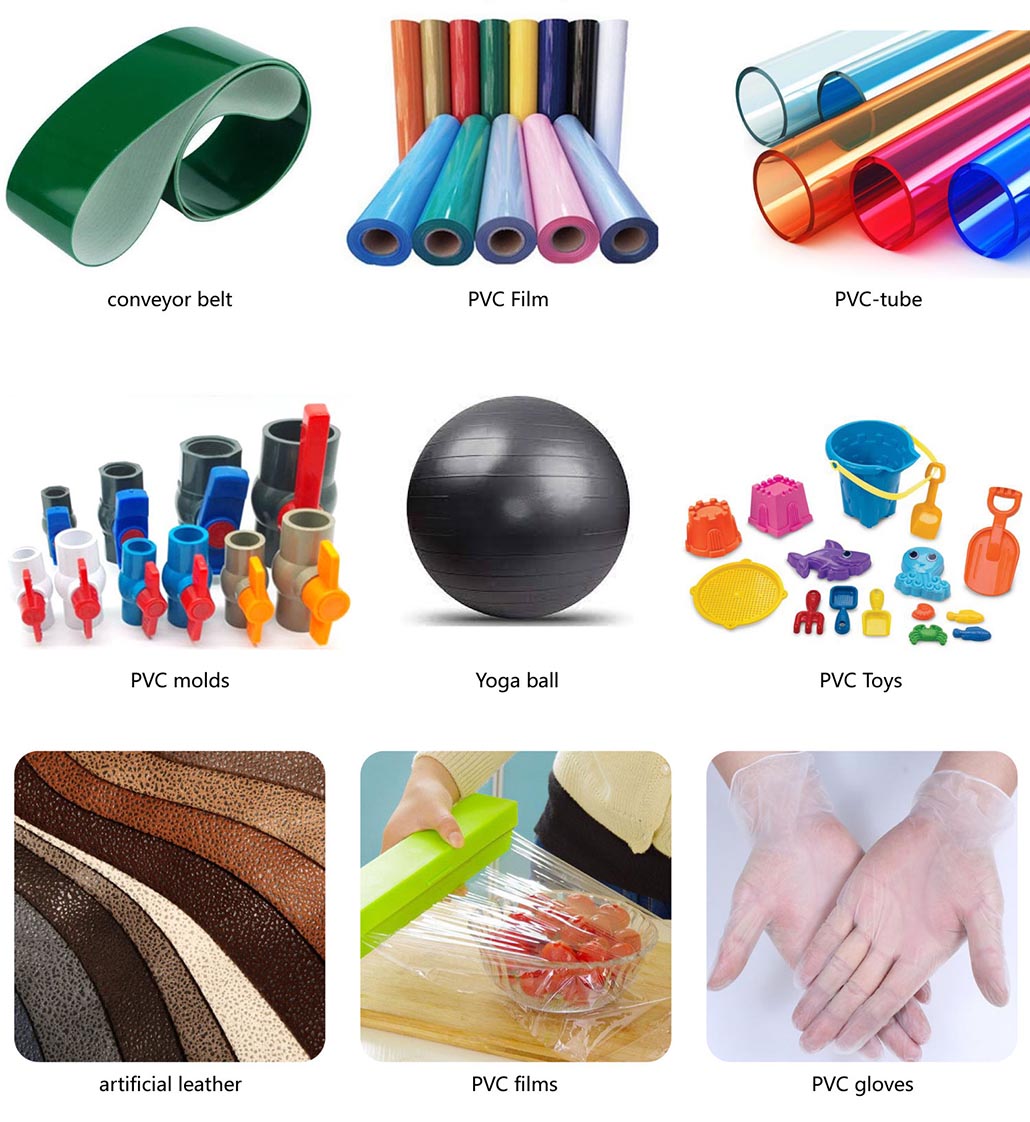
Widely used in flexible and semi-rigid PVC products:
• PVC films and sheets
• Artificial leather and coated fabrics
• PVC tablecloth and decorative films
• PVC tarpaulins and outdoor flexible materials
• Calendered PVC products
These applications require high clarity, durability, and stable processing performance.
▼ Technical Information
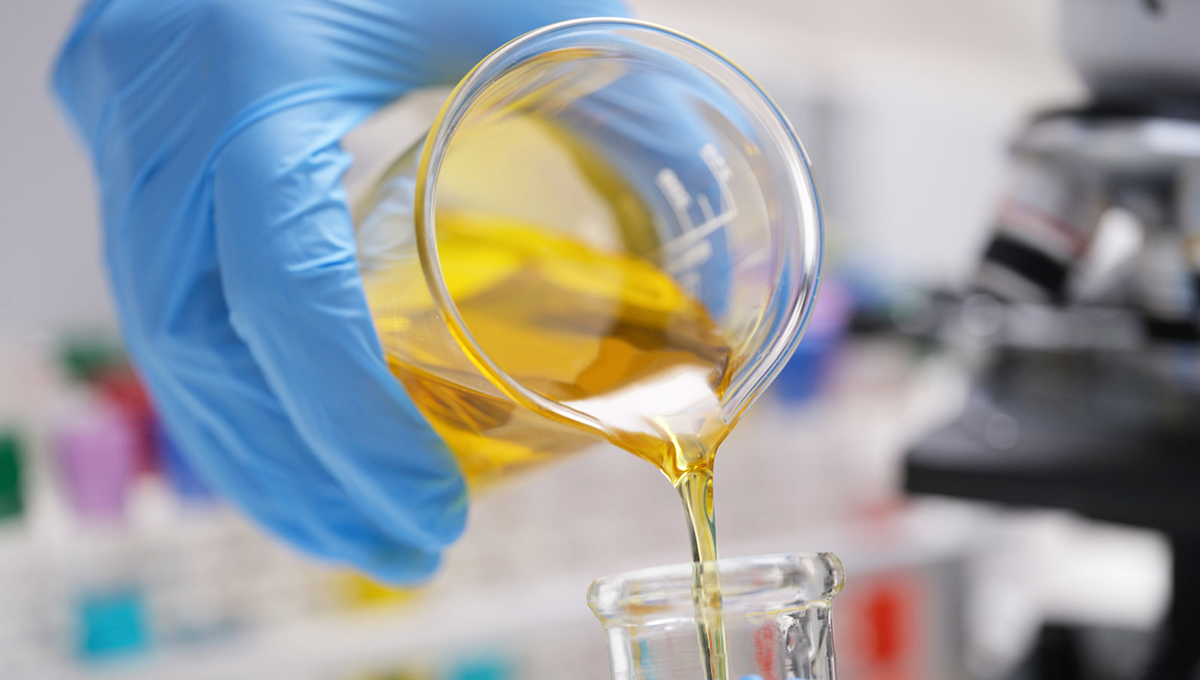
• Appearance: Yellowish clear oily liquid
• Recommended Dosage: 2–3 phr
• Packaging: 180-200 kg drums / 1000 kg IBC tank
• Storage period: 12 months
▼ Regulatory & Application Note
Due to environmental and regulatory considerations related to cadmium-containing stabilizers, this product is mainly used in specific markets or applications where such systems are still permitted.
Alternative systems such as calcium-zinc or barium-zinc stabilizers are available for environmentally sensitive applications
Scope of Application
Q: What is liquid barium cadmium zinc PVC stabilizer?
A: Liquid barium cadmium zinc stabilizer is a mixed metal stabilizer used to improve PVC thermal stability. It provides excellent heat resistance, clarity, and processing performance.
Q: What are the key advantages of Ba Cd Zn stabilizer?
A: It offers outstanding thermal stability, excellent transparency, and good initial color. It also performs well under high-temperature processing conditions.
Q: What applications are suitable for liquid Ba Cd Zn stabilizers?
A: It is mainly used in flexible & seli-rigid PVC products such as films, artificial leather, and coated fabrics. These applications require high clarity and stable processing.
Q: What is the recommended dosage of liquid Ba Cd Zn stabilizer?
A: The typical dosage is 2–3 phr, depending on formulation and processing conditions. Optimization may be needed for specific performance requirements.
Q: Why does Ba Cd Zn stabilizer provide excellent heat stability?
A: The combination of barium, cadmium, and zinc creates a strong synergistic effect. This helps effectively neutralize degradation products and maintain long-term stability.
Q: What is the difference between Ba Cd Zn and Ba Zn stabilizers?
A: Ba Cd Zn stabilizers provide better thermal stability and initial color. Ba Zn stabilizers are more environmentally friendly and widely used as alternatives.
Q: Do you provide free samples for testing?
A: Sure, we recommend to do a test before formal order. Little free samples could be sent as request, but the freight cost should be paid by the consignee.
Q: Is Ba Cd Zn stabilizer still used today?
A: It is still used in some regions and specific applications requiring high performance. However, many manufacturers are shifting to cadmium-free alternatives. And we have some Ba Zn stablizers can replace Ba Cd Zn stabilizers
Q: How to choose between Ba Cd Zn and alternative stabilizers?
A: The choice depends on performance requirements and regulatory conditions. Ba Cd Zn is suitable for high thermal stability needs, while Ba Zn or Ca Zn are preferred for compliance. We can recommend suitable alternatives based on your market requirements.
Q: Can you provide alternative or customized stabilizer solutions?
A: Yes, we offer both traditional and environmentally friendly stabilizer systems. Customized formulations can be developed based on your application and compliance needs.


