

Lead Compound Stabilizers

|
Grade |
Application |
Remark |
|
TP-01 |
S-PVC |
PVC Profile, good stability |
|
TP-02 |
S-PVC |
PVC wires and cables, excellent stability |
|
TP-03 |
S-PVC |
UPVC Pipes, high performance |
|
TP-04 |
S-PVC |
CPVC Pipes, high performance |
|
TP-05 |
S-PVC |
PVC board, good stability |
|
TP-06 |
S-PVC |
UPVC Pipes, general purpose |
▼ Product Overview
Lead compound stabilizers are traditional PVC heat stabilizers widely used in rigid PVC processing.
They provide strong thermal stability and processing performance during high-temperature extrusion and molding.
These stabilizers are typically used in cost-sensitive applications and rigid PVC products where high performance and processing stability are required.
▼ Key Characteristics
• Excellent long-term thermal stability for rigid PVC processing
• Strong ability to absorb HCl released during PVC degradation
• Good processing lubricity in composite formulations
• Stable performance in extrusion and molding processes
• Suitable for opaque rigid PVC products
• Cost-effective stabilizer system for industrial applications
▼ Typical Applications
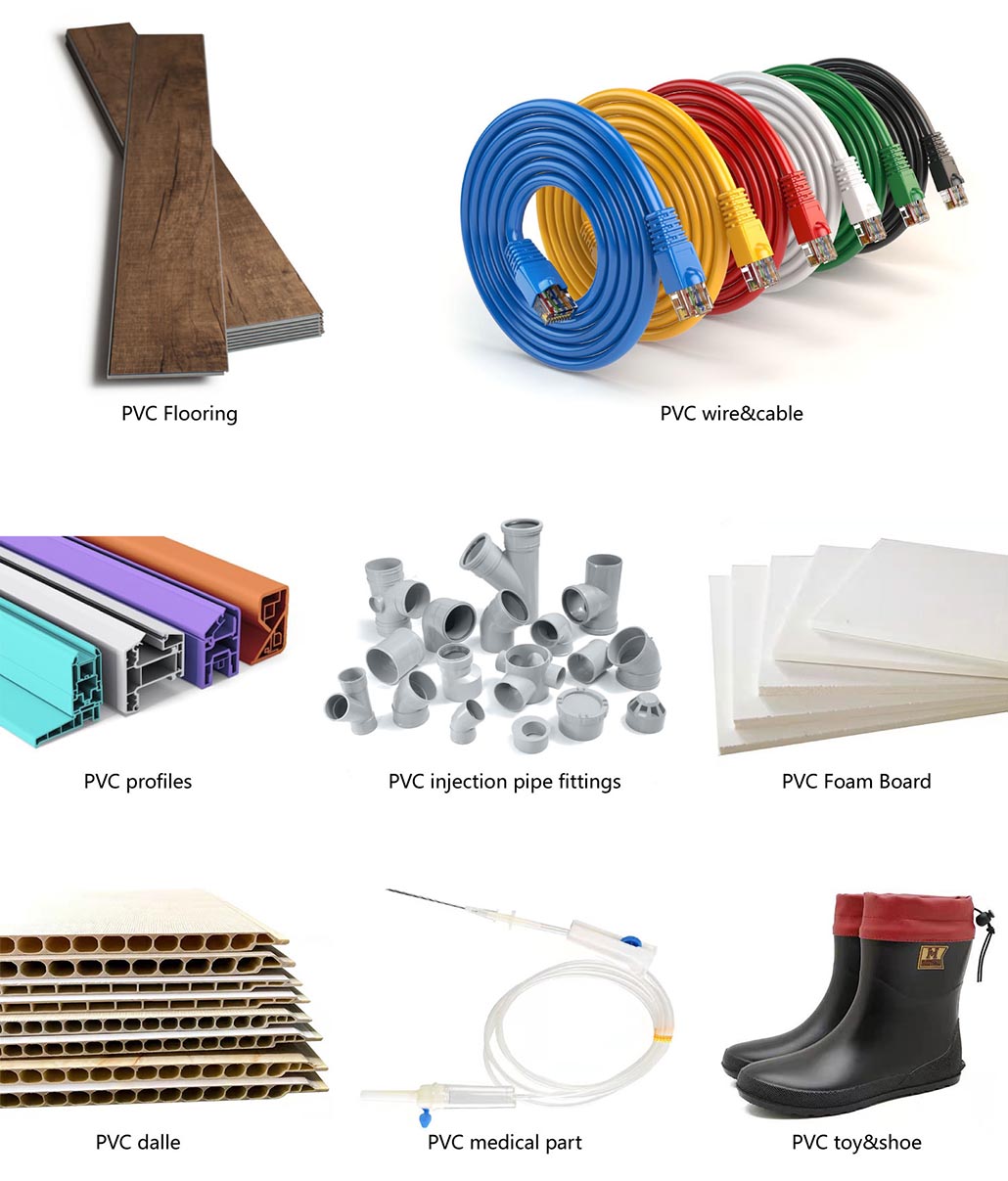
Lead compound stabilizers are mainly used in:
• PVC pipes and fittings
• Window and door profiles
• PVC sheets and panels
• PVC cable insulation materials
• Industrial rigid PVC components
• PVC foam and construction materials
These applications typically require long service life and stable processing performance.
▼ Technical Information
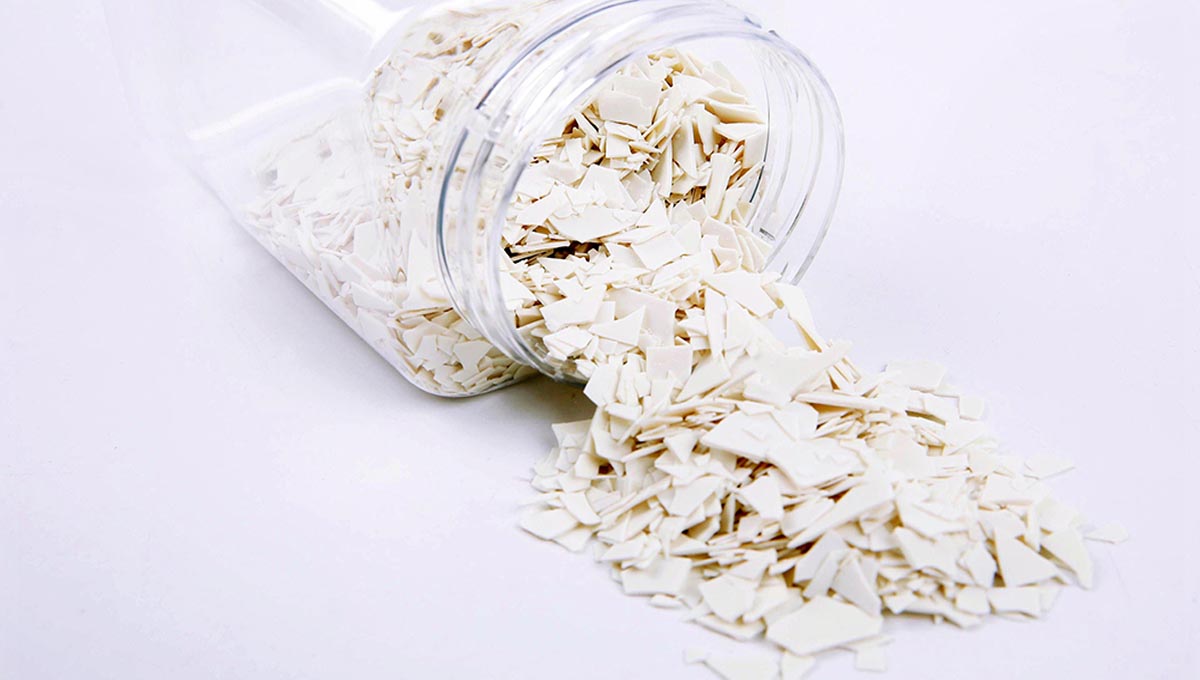
• Appearance: White powder / flake
• Density: 2.1–2.3 g/cm³
• Moisture Content: ≤1.0%
• Packaging: 25 kg bags
• Storage period: 12 months
▼ Performance Features (Industrial Perspective)
In PVC processing systems, lead compound stabilizers:
• Neutralize hydrogen chloride released during thermal degradation
• Improve processing stability at high temperatures
• Provide both stabilization and lubrication in composite systems
• Support consistent extrusion performance in rigid PVC production
They have been widely used for decades due to their reliable processing performance and cost efficiency.
▼ Regulatory & Application Note
Lead-based stabilizers contain heavy metal components and are subject to environmental and regulatory restrictions in many regions.
Their use is generally limited or replaced in applications with strict environmental, food contact, or medical requirements.
Alternative systems such as calcium-zinc stabilizers and organotin stabilizers are widely adopted in environmentally regulated markets.
Scope of Application
Q: What is lead-based PVC stabilizer?
A: Lead-based stabilizer (usually flake type) is a solid PVC stabilizer designed for rigid PVC processing. It provides excellent thermal stability and long-term durability.
Q: What are the advantages of lead stabilizers?
A: They offer strong heat stability, good electrical insulation, and cost-effective performance. The flake form also ensures easy handling and consistent mixing.
Q: What applications are suitable for lead stabilizers?
A: They are mainly used in rigid PVC products such as pipes, fittings, cables, and profiles. These applications require stable processing and long service life.
Q: What is the recommended dosage of lead stabilizer?
A: The typical dosage is 3–5 phr, depending on formulation and processing conditions. Optimization may be required based on product requirements.
Q: Why are lead stabilizers still used in some markets?
A: Lead stabilizers provide reliable performance and cost advantages in certain applications. They are still used in regions where regulations allow their use.
Q: What is the difference between lead stabilizers and Ca Zn stabilizers?
A: Lead stabilizers offer strong heat stability and processing performance. Ca Zn stabilizers are more environmentally friendly and widely used as alternatives.
Q: Are lead-based stabilizers environmentally friendly?
A: Due to the presence of lead, their use is restricted in many countries and applications. They are generally not suitable for products with strict environmental requirements.
Q: Is flake type better than powder type lead stabilizer?
A: Flake stabilizers are easier to handle with less dust during processing. They also provide more uniform feeding in production.
Q: How to choose between lead stabilizers and alternatives?
A: The choice depends on cost, performance, and regulatory requirements. Lead stabilizers are suitable where allowed, while Ca-Zn systems are preferred for compliance.
★ We can recommend suitable models based on your formulation.
Q: Can you provide alternative or customized stabilizer solutions?
A: Yes, we offer both traditional lead stabilizers and lead-free alternatives. Customized formulations can be developed for different applications.