

Injection molding stands as one of the most versatile and efficient manufacturing processes for PVC (polyvinyl chloride) products, enabling the production of complex shapes with consistent precision—from automotive components and electrical enclosures to medical devices and household goods. Yet, PVC’s inherent molecular structure poses a unique challenge during processing: it is inherently unstable when exposed to the high temperatures (typically 160–220°C) and shear forces inherent in injection molding. Without proper stabilization, PVC will undergo degradation, leading to discoloration (yellowing or browning), reduced mechanical properties, and even the release of harmful byproducts. This is where PVC stabilizers step in as unsung heroes, not only preventing degradation but also optimizing processing performance and ensuring the final product meets quality standards. In this blog, we’ll dive into the critical role of PVC stabilizers in injection molding, explore the most common types, and examine how they influence key processing parameters and end-product performance.
To understand why stabilizers are non-negotiable for PVC injection molding, it’s first essential to grasp the root cause of PVC’s instability. PVC is a vinyl polymer formed by the polymerization of vinyl chloride monomers, and its molecular chain contains weak chlorine-carbon bonds. When heated to the temperatures required for injection molding, these bonds break down, initiating a chain reaction of degradation. This process, known as dehydrochlorination, releases hydrogen chloride (HCl) gas—a corrosive substance that further accelerates degradation and damages molding equipment. Additionally, dehydrochlorination leads to the formation of conjugated double bonds in the PVC chain, which cause the material to turn yellow, then brown, and ultimately become brittle. For injection molders, this translates to scrapped parts, increased maintenance costs, and non-compliance with safety and quality regulations. Stabilizers interrupt this degradation cycle by either absorbing HCl, neutralizing acidic byproducts, or scavenging free radicals that drive the chain reaction—effectively protecting the PVC during processing and extending the material’s service life.
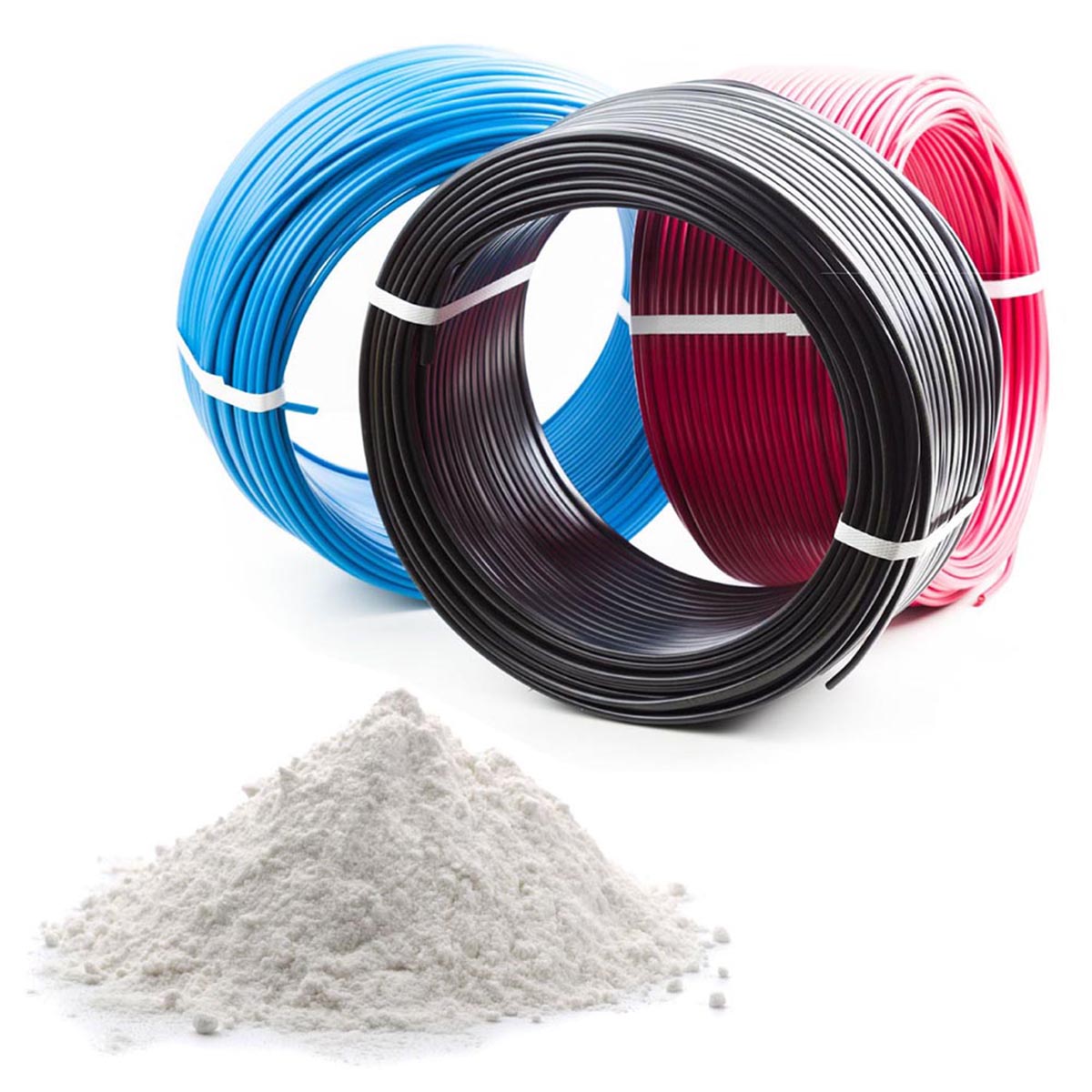
Not all PVC stabilizers are created equal, and choosing the right type for injection molding depends on a range of factors: processing temperature, cycle time, the complexity of the mold, end-product requirements (e.g., food contact, UV resistance), and environmental regulations. Below is a comparative overview of the most widely used stabilizer types in injection molding, their mechanisms of action, and key pros and cons for processing applications:
|
Stabilizer Type |
Mechanism of Action |
Injection Molding Advantages |
Limitations |
Typical Applications |
|
Scavenge HCl and form stable bonds with PVC chains; prevent chain scission and cross-linking |
Excellent heat stability at high injection temperatures; low dosage requirement; minimal impact on melt flow; produces clear, color-stable parts |
Higher cost; some types restricted in food-contact or medical applications; potential environmental concerns |
Clear PVC products (e.g., medical tubing, food containers); high-precision automotive parts |
|
|
Dual action: Ca salts absorb HCl; Zn salts scavenge free radicals; often combined with co-stabilizers (e.g., epoxidized oils) |
Environmentally friendly (heavy-metal free); compliant with food and medical regulations; good processability for long cycle times |
Lower heat stability than organotins (best for 160–190°C); may cause slight discoloration at high temperatures; higher dosage needed |
Food packaging, toys, medical devices, household goods |
|
|
Absorb HCl and form insoluble lead chloride; provide long-term heat stability |
Exceptional heat stability; low cost; good compatibility with PVC; suitable for high-temperature processing |
Toxic (heavy metal); banned in most regions for consumer and medical products; environmental hazards |
Industrial pipes (in unregulated regions); non-consumer heavy-duty parts |
|
|
Barium-Cadmium Stabilizers |
Ba salts absorb HCl; Cd salts scavenge free radicals; synergistic effect when combined |
Good heat stability; excellent color retention; suitable for flexible and rigid PVC injection molding |
Cadmium is toxic; restricted in most global markets; environmental and health risks |
Legacy applications (phased out in most regions); some industrial non-consumer products |
In today’s regulatory landscape, lead and Ba-Cd stabilizers have largely been phased out in favor of organotin and Ca-Zn alternatives, especially for consumer-facing and medical products. For injection molders, this shift has meant adapting to the unique processing characteristics of these safer stabilizers—for example, adjusting temperatures or cycle times to accommodate Ca-Zn’s lower heat stability, or balancing cost with performance when using organotins.
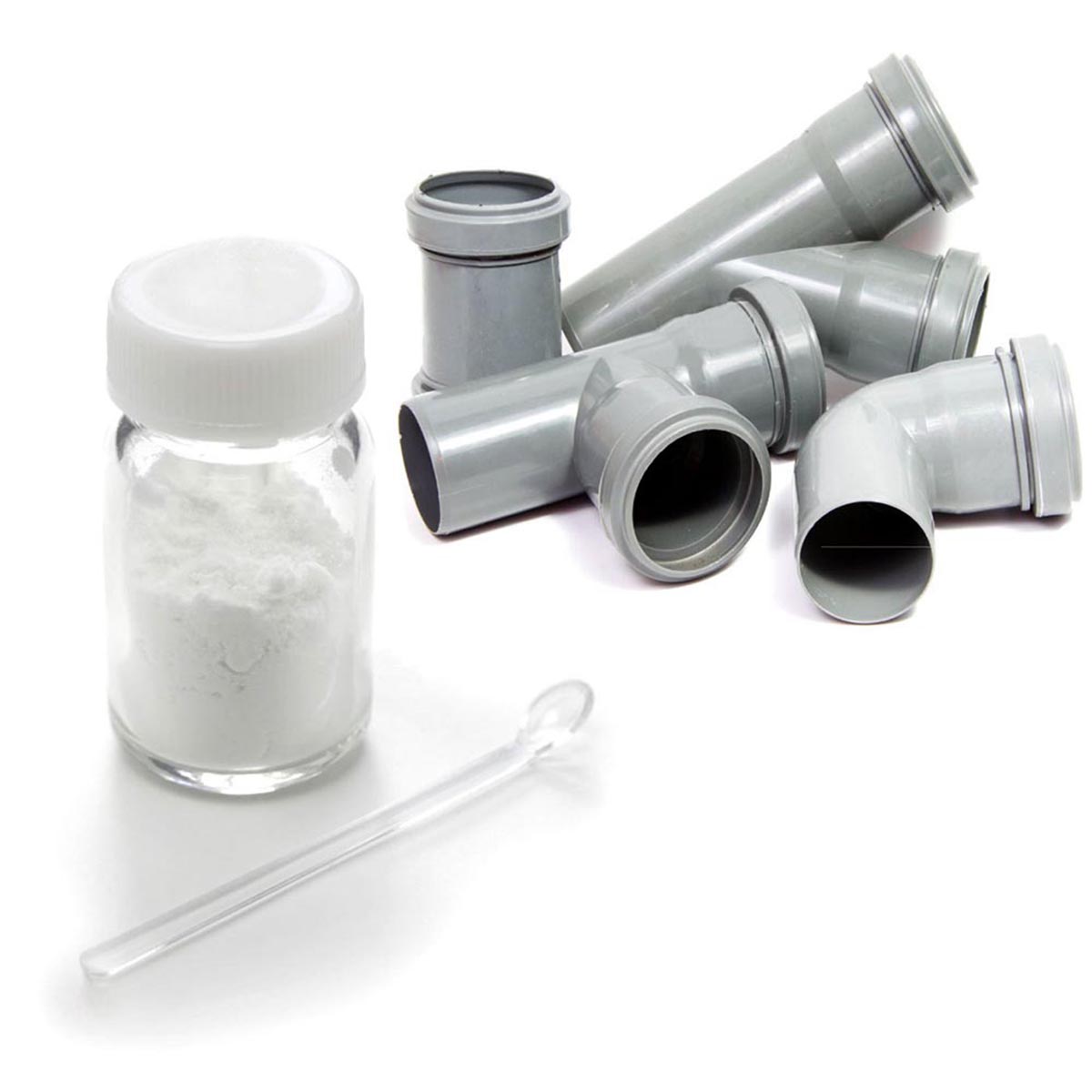
The impact of stabilizers on PVC processing performance in injection molding extends far beyond just preventing degradation. It directly influences key processing parameters such as melt flow index, cycle time, mold filling, and energy consumption—all of which affect production efficiency and part quality. Let’s break down these effects with real-world context: melt flow, for instance, is critical for ensuring that the PVC compound fills complex mold cavities evenly and without defects like short shots or weld lines. Organotin stabilizers, due to their low dosage and excellent compatibility with PVC, have a minimal impact on MFI, allowing the melt to flow smoothly even through thin-walled sections or intricate geometries. Ca-Zn stabilizers, on the other hand, may slightly increase melt viscosity (especially at higher dosages), requiring molders to adjust injection pressure or temperature to maintain optimal flow. This is a key consideration when switching from organotins to Ca-Zn for regulatory compliance—small tweaks to processing parameters can make a big difference in part quality.
Cycle time is another critical factor for injection molders, as it directly impacts production throughput. Stabilizers with strong heat stability, such as organotins or lead (though now restricted), allow for shorter cycle times by enabling higher processing temperatures without degradation. Higher temperatures reduce melt viscosity, speed up mold filling, and shorten cooling times—all of which boost productivity. Conversely, stabilizers with lower heat stability, like Ca-Zn, may require longer cycle times to avoid overheating, but this trade-off is often justified by their environmental benefits and regulatory compliance. Molders can mitigate this by optimizing other parameters, such as using mold temperature controllers or adjusting screw speed to reduce shear-induced heating.
Shear stability is also a key consideration, particularly for injection molding processes that involve high screw speeds. Shear forces generate additional heat in the PVC melt, increasing the risk of degradation. Stabilizers that can withstand high shear—such as organotins and high-performance Ca-Zn blends—help maintain melt integrity under these conditions, preventing discoloration and ensuring consistent part properties. In contrast, low-quality stabilizers may break down under high shear, leading to uneven melt flow and defects like surface blemishes or internal stresses.
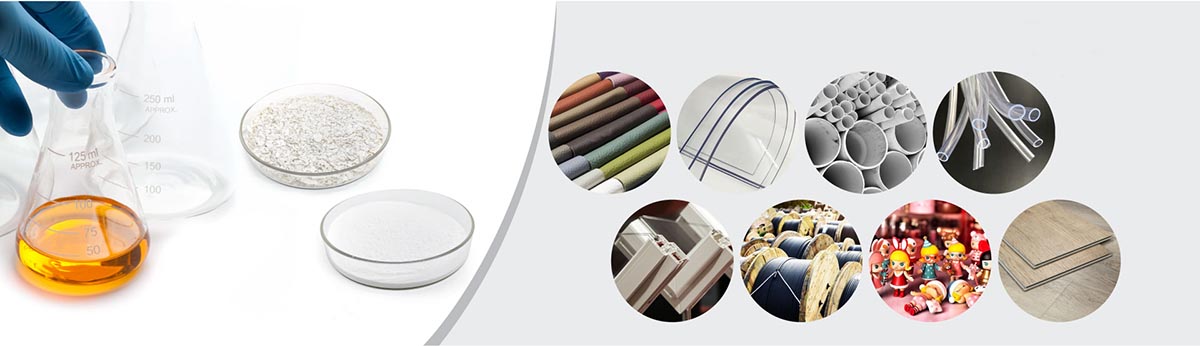
End-product performance is equally dependent on the choice of stabilizer. For example, outdoor PVC products (e.g., garden furniture, exterior cladding) require stabilizers with UV resistance to prevent degradation from sunlight. Many Ca-Zn and organotin stabilizers can be formulated with UV absorbers or hindered amine light stabilizers (HALS) to enhance weatherability. For rigid PVC products like pipe fittings or electrical enclosures, stabilizers that improve impact strength and dimensional stability are critical. Organotins, in particular, are known for preserving the mechanical properties of rigid PVC during processing, ensuring parts can withstand stress and maintain their shape over time.
Food-contact and medical applications demand stabilizers that are non-toxic and compliant with global standards. Ca-Zn stabilizers are the gold standard here, as they are heavy-metal free and meet strict safety requirements. Organotins are also used in some food-contact applications, but only specific types (e.g., methyltin, butyltin) that have been approved for such use. Molders working in these sectors must carefully verify the compliance of their stabilizer formulations to avoid regulatory issues and ensure consumer safety.
When selecting a PVC stabilizer for injection molding, there are several practical considerations to keep in mind beyond just type and performance. Compatibility with other additives is crucial—PVC compounds often contain plasticizers, lubricants, fillers, and pigments, and the stabilizer must work synergistically with these components. For example, some lubricants can reduce the effectiveness of stabilizers by forming a barrier between the stabilizer and the PVC matrix, so molders may need to adjust lubricant levels or choose a stabilizer with better compatibility. Dosage is another key factor: using too little stabilizer will result in insufficient protection and degradation, while using too much can lead to blooming (where the stabilizer migrates to the surface of the part) or reduced mechanical properties. Most stabilizer manufacturers provide recommended dosage ranges based on the type of PVC (rigid vs. flexible) and processing conditions, and it’s important to follow these guidelines while conducting trial runs to optimize performance.
Environmental and regulatory trends are also shaping the future of PVC stabilizers for injection molding. The global push for sustainability has led to increased demand for bio-based or biodegradable stabilizers, though these are still in the early stages of development. Additionally, regulations restricting the use of certain chemicals (e.g., REACH in the EU) are driving innovation in safer, more environmentally friendly formulations. Molders should stay informed about these trends to ensure their processes remain compliant and competitive. For example, switching to Ca-Zn stabilizers now can help avoid disruptions if stricter regulations on organotins are implemented in the future.
To illustrate the real-world impact of stabilizer choice, let’s consider a case study: a molder producing rigid PVC electrical enclosures via injection molding was experiencing consistent yellowing of parts and high scrap rates. Initial investigations revealed that the molder was using a low-cost Ba-Cd stabilizer, which was not only non-compliant with EU regulations but also insufficiently protecting the PVC at the high processing temperature (200°C) required for the complex mold design. After switching to a high-performance organotin stabilizer, the yellowing issue was eliminated, scrap rates dropped by 35%, and the parts met EU safety standards. The molder also noticed improved melt flow, which reduced injection pressure and shortened cycle times by 10%, boosting overall productivity. In another example, a manufacturer of food-grade PVC containers switched from organotins to a Ca-Zn stabilizer to meet FDA requirements. While they had to adjust the processing temperature slightly (lowering it from 195°C to 185°C) to maintain stability, the switch was seamless with minimal impact on cycle time, and the parts retained their clarity and mechanical properties.
PVC stabilizers are indispensable for successful injection molding, serving as both protectors against degradation and enablers of optimal processing performance. The choice of stabilizer—whether organotin, Ca-Zn, or another type—must be tailored to the specific processing conditions, end-product requirements, and regulatory constraints. Molders who invest time in selecting the right stabilizer and optimizing processing parameters based on that choice will benefit from lower scrap rates, higher productivity, and high-quality parts that meet safety and performance standards. As the industry continues to evolve toward sustainability and stricter regulations, staying informed about the latest stabilizer technologies and trends will be key to maintaining a competitive edge. Whether you’re producing rigid or flexible PVC parts, for consumer or industrial use, the right stabilizer is the foundation of a successful injection molding process.
Post time: Jan-29-2026