

Ever picked up a colorful plastic toy and wondered what keeps it from falling apart? Chances are, it’s made with PVC—a super common plastic in kids’ toys, from rubbery bath toys to durable building blocks. But here’s the thing: PVC on its own is a bit of a troublemaker. It breaks down easily when it gets warm (think sunny car rides or even just being played with a lot) and releases yucky chemicals in the process. That’s where “stabilizers” come in. They’re like the helpers that keep PVC strong, flexible, and intact.
But not all stabilizers are created equal. And when it comes to kids’ toys, “non-toxic” isn’t just a buzzword—it’s a big deal.
Kids Play Differently (And That Matters)
Let’s be real: kids don’t treat toys gently. They chew on them, drool on them, and rub them all over their faces. If a toy’s stabilizer has harmful stuff like lead, cadmium, or certain harsh chemicals, those toxins can seep out—especially when the plastic gets worn or warm.
Little bodies are extra sensitive to these toxins. Their brains and organs are still growing, so even tiny amounts can cause big problems: think skin rashes, tummy upsets, or worse, long-term issues with development. Non-toxic stabilizers? They skip the bad stuff, so you don’t have to worry about what’s leaching out when your toddler gnaws on their favorite teething toy.
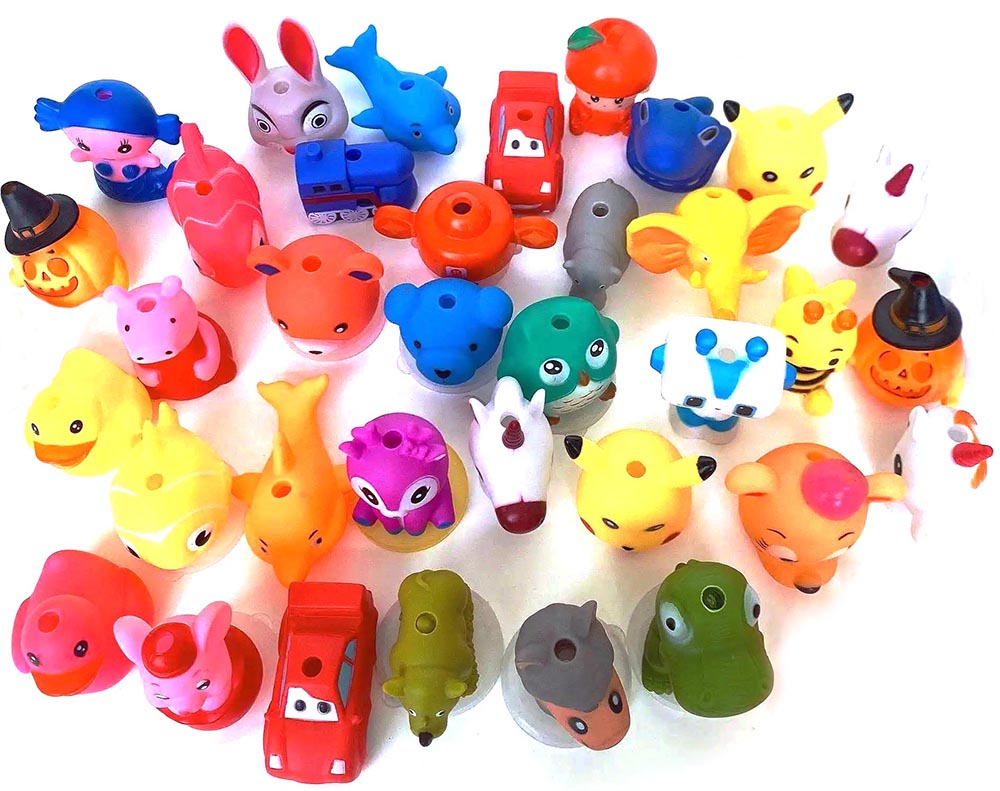
It‘s Not Just About Safety—Toys Last Longer, Too
Non-toxic stabilizers do more than keep kids safe—they make toys better. PVC with good stabilizers stays bright and colorful (no gross yellowing after a few months), stays flexible (no brittle cracks when bent), and holds up to rough play. That means the toy your kid loves today won’t turn into a crumbly, faded mess next month.
Ever noticed how some clear plastic toys get cloudy or crack? Blame bad stabilizers. Non-toxic ones, like calcium-zinc or barium-zinc blends, keep PVC looking and feeling fresh, even after lots of baths, tugs, and drops.
How to Spot the Good Stuff
You don’t need a science degree to check if a toy’s safe. Just flip it over and scan the label:
Avoid these red flags: Words like “lead,” ”cadmium,” or “organic tin” (a type of toxic stabilizer) are warning signs.
Look for these green lights: Phrases like “non-toxic,” ”lead-free,” or “meets EN 71-3″ (a strict European safety standard) mean it’s been tested.
Safe stabilizer types: “Calcium-zinc“ or “barium-zinc“ stabilizers are your friends—they’re tough on keeping PVC strong but gentle on little ones.
The Bottom Line
When it comes to kids’ toys, “non-toxic PVC stabilizer“ is more than just a fancy term. It’s about keeping your child safe while they play, and making sure their favorite toys stick around for all those messy, wonderful moments.
Next time you’re toy shopping, take a second to check the label. Your kid will thank you (with fewer meltdowns over broken toys) and you’ll rest easier knowing their playtime is as safe as it is fun.
Post time: Dec-22-2025