

Walk into any modern construction site or home improvement project, and rigid PVC profiles are everywhere—window frames, door jambs, plumbing trims, and deck railings, to name a few. What keeps these durable, cost-effective components from degrading under harsh processing and real-world conditions? The answer lies in a component that’s often overlooked but irreplaceable: PVC Profile Stabilizer. For manufacturers, choosing the right stabilizer isn’t just a box-ticking exercise; it’s the difference between consistent, high-quality production and costly defects, wasted materials, and failed end-products. Rigid PVC’s inherent brittleness and susceptibility to thermal breakdown demand a stabilizer that’s tailored to its unique properties, yet many producers still struggle to align their stabilizer choices with the specific demands of rigid PVC processing.
To grasp why PVC Profile Stabilizer is non-negotiable for rigid PVC products, we first need to confront the material’s intrinsic challenges. Unlike flexible PVC, which relies on plasticizers to boost ductility, rigid PVC contains little to no plasticizers—this is what gives it the structural integrity needed for load-bearing and semi-structural applications, but it also makes it highly vulnerable to thermal and oxidative degradation. During processing (whether extrusion, injection, or calendaring), rigid PVC is exposed to temperatures ranging from 160–200°C; without stabilization, this heat triggers the release of hydrochloric acid (HCl), starting a chain reaction that tears apart the polymer’s molecular structure. The result? Discolored profiles, brittle surfaces, and internal cracks that render the product useless. For rigid PVC components that must last decades—like window frames exposed to UV radiation or plumbing trims facing moisture—degradation isn’t just a production issue; it’s a safety and durability concern. Thus, the primary role of PVC Profile Stabilizer is to halt this degradation cycle, preserving both the material’s processability during manufacturing and its performance in end-use environments.
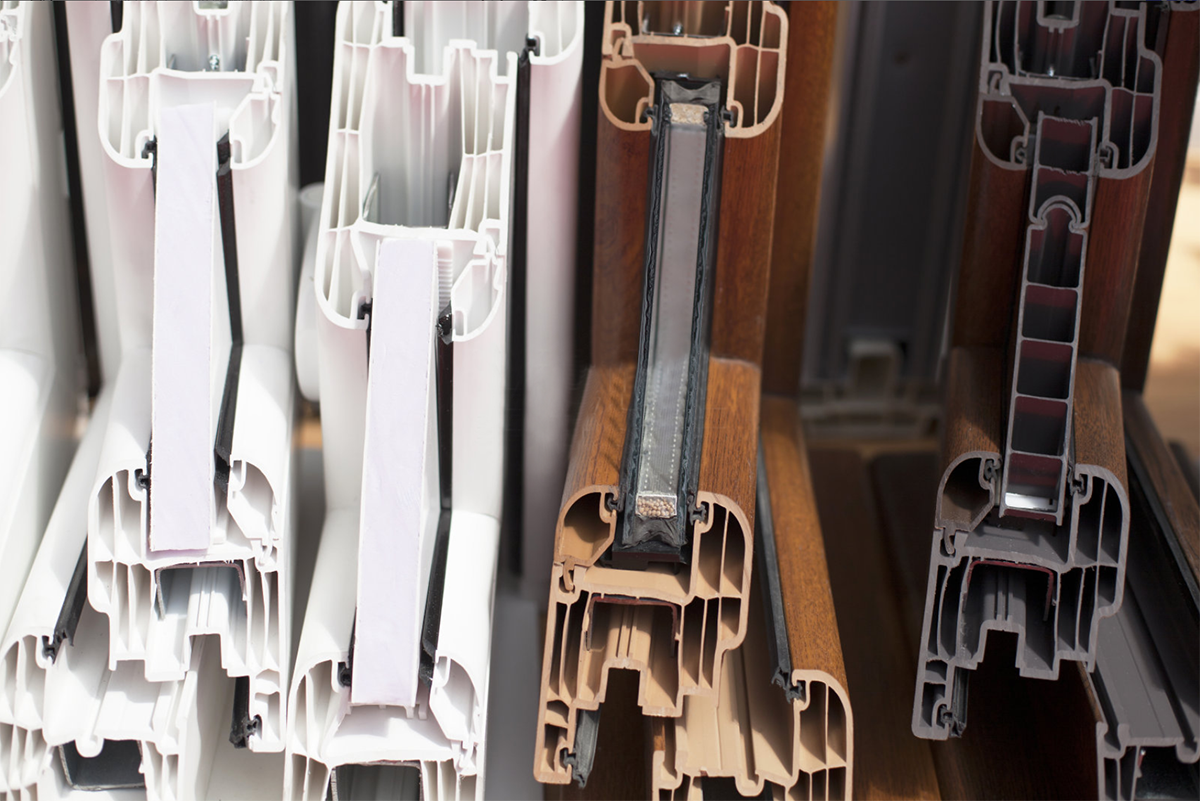
Thermal stability stands as the foundational requirement for any effective PVC Profile Stabilizer in rigid PVC applications. But this isn’t a one-size-fits-all metric—stabilizers must provide sustained protection across the entire processing window, not just at peak temperatures. Rigid PVC processing involves multiple stress points: from the shear heat generated during compounding to the prolonged exposure to heat during molding or extrusion. A high-quality PVC Profile Stabilizer needs to neutralize HCl the moment it forms, preventing the chain reaction of degradation before it gains momentum. This typically requires a balanced blend of primary stabilizers (which target HCl neutralization) and secondary stabilizers (which scavenge free radicals and slow oxidative damage). For example, a poorly formulated stabilizer might protect rigid PVC during short extrusion runs but fail during longer production cycles, leading to yellowing or brittleness in the final profile. For outdoor rigid PVC products, thermal stability must also extend to long-term heat resistance, as prolonged exposure to sunlight can elevate surface temperatures and accelerate degradation. In short, the stabilizer’s thermal protection must be both immediate and enduring, matching the entire lifecycle of the rigid PVC product.
Closely tied to thermal stability is processability—a key requirement that directly impacts production efficiency for rigid PVC products. Rigid PVC’s high melt viscosity makes it challenging to process, and the wrong PVC Profile Stabilizer can exacerbate this issue. An ideal stabilizer should optimize melt flow without compromising the material’s rigid structure. If the stabilizer increases viscosity too much, it can lead to incomplete mold filling, uneven extrusion, or excessive energy use during processing. On the other hand, over-reducing viscosity can cause flash, dimensional inconsistencies, or weak spots in the finished profile. Many modern PVC Profile Stabilizers incorporate lubricating agents to address this balance, reducing friction between the rigid PVC melt and processing equipment while ensuring uniform flow. This is particularly critical for complex rigid PVC profiles—such as intricate window frames or custom trims—where consistent melt distribution is essential for maintaining dimensional accuracy. The stabilizer must act as a partner in processing, not a hindrance, enabling manufacturers to produce rigid PVC products efficiently without sacrificing quality.
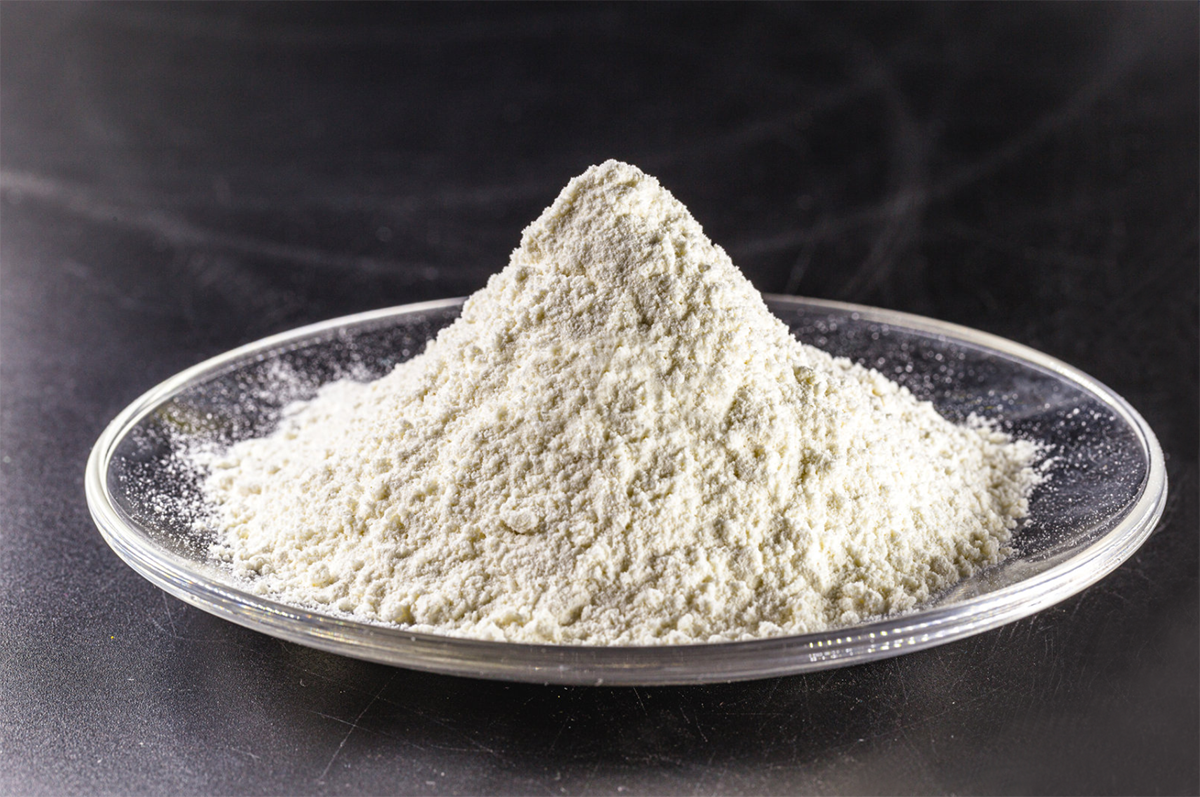
Preserving the mechanical integrity of rigid PVC is another non-negotiable requirement for PVC Profile Stabilizer. Rigid PVC products are designed to withstand impact, tensile stress, and environmental wear—qualities that are lost if the stabilizer compromises the polymer’s molecular structure. The best PVC Profile Stabilizers work synergistically with the rigid PVC matrix, preserving critical mechanical properties like impact strength, flexural modulus, and tensile strength. This is especially vital for applications like exterior cladding or structural trims, where the product must resist wind, rain, and temperature fluctuations without cracking or warping. For outdoor rigid PVC products, UV stabilization is often integrated into the PVC Profile Stabilizer formulation. UV radiation breaks down rigid PVC over time, causing chalking, discoloration, and loss of strength; a stabilizer with UV protection extends the product’s service life by blocking these harmful rays. Importantly, the stabilizer must not just protect during processing but also maintain these mechanical properties throughout the product’s lifecycle—ensuring that a rigid PVC window frame, for example, remains strong and durable for decades.
Consistency and compatibility are critical for high-volume rigid PVC production, and PVC Profile Stabilizer plays a central role in both. Manufacturers rely on batch-to-batch uniformity to meet quality standards, and even minor variations in stabilizer performance can lead to color shifts, inconsistent rigidity, or processing defects in rigid PVC products. A reliable PVC Profile Stabilizer must have a consistent chemical composition and performance profile, ensuring that every batch of rigid PVC processes the same way and delivers the same end-product quality. Compatibility with other additives is equally important: rigid PVC formulations often include fillers (like calcium carbonate), impact modifiers, and lubricants, and incompatibility between these additives and the stabilizer can lead to phase separation, reduced stability, or surface flaws. For instance, some fillers can react with stabilizers, diminishing their ability to neutralize HCl and protect rigid PVC. A well-designed PVC Profile Stabilizer accounts for these interactions, ensuring seamless integration with the entire additive package and maintaining stability throughout the production process.
Environmental and regulatory compliance has become a defining requirement for PVC Profile Stabilizer in rigid PVC applications. Traditional stabilizers—such as lead-based formulations—have been phased out globally due to their toxicological and environmental risks, pushing manufacturers toward safer, more sustainable alternatives. Today’s PVC Profile Stabilizers must meet stringent regulations like the EU’s REACH, RoHS, and local environmental standards, which prioritize non-toxic, recyclable materials. Calcium-zinc (Ca-Zn) stabilizers have emerged as the gold standard for compliant rigid PVC production, offering non-toxic, eco-friendly protection. However, Ca-Zn stabilizers require careful formulation to match the thermal stability of traditional alternatives, especially for rigid PVC processing which demands high heat resistance. The ideal PVC Profile Stabilizer doesn’t just check regulatory boxes; it delivers the performance rigid PVC requires while aligning with sustainability goals. This balance is crucial for manufacturers looking to meet market demands for eco-friendly products without sacrificing the durability and processability of rigid PVC.
To help manufacturers evaluate their options, the following table compares key characteristics of common PVC Profile Stabilizer formulations for rigid PVC products, highlighting how each aligns with core requirements:
|
Stabilizer Type |
Thermal Stability |
Processability Enhancement |
Mechanical Retention |
Environmental Compliance |
Suitability for Rigid PVC |
|
Excellent |
Good |
Excellent |
Poor (Phased Out in Most Regions) |
High (but Non-Compliant) |
|
|
Good |
Good |
Good |
Excellent (Non-Toxic, Recyclable) |
High (Most Common for Compliant Production) |
|
|
Tin-Based |
Excellent |
Excellent |
Excellent |
Good (Some Restrictions in Certain Applications) |
High (for High-Performance Applications) |
|
Good |
Good |
Good |
Poor (Highly Restricted Due to Toxicity) |
Low (Rarely Used Today) |
Beyond these core requirements, practical considerations play a key role in selecting the right PVC Profile Stabilizer for rigid PVC products. Handling and dispersion are top of mind: the stabilizer should be easy to mix with rigid PVC resin, preferably in a granular or powder form that distributes evenly during compounding. Poor dispersion leads to localized areas of inadequate stabilization, resulting in hot spots, discoloration, or weak points in the finished rigid PVC product. Storage stability is another factor—PVC Profile Stabilizer should have a long shelf life and resist moisture absorption, as damp stabilizers can cause voids or bubbles in rigid PVC profiles, especially in high-humidity manufacturing environments. These practical traits might seem minor, but they directly impact production efficiency and end-product quality, making them essential criteria for stabilizer selection.
Cost-effectiveness is another practical consideration that can’t be ignored. While high-performance PVC Profile Stabilizers may have a higher upfront cost, they deliver long-term savings by reducing scrap, shortening cycle times, and extending the lifespan of rigid PVC products. For example, a premium Ca-Zn stabilizer optimized for rigid PVC might cost more than a basic formulation, but it minimizes defects, reduces mold cleanup time, and improves processing efficiency—all of which lower overall production costs. Manufacturers must balance cost with performance, but cutting corners on PVC Profile Stabilizer often backfires: the cost of reworking defective rigid PVC profiles or replacing failed products far outweighs the investment in a high-quality stabilizer. The goal is to find a stabilizer that delivers the required protection and processability at a cost that aligns with production budgets.
The requirements for PVC Profile Stabilizer in rigid PVC products are multifaceted, focusing on thermal stability, processability, mechanical property retention, consistency, regulatory compliance, and practicality. For manufacturers, the right PVC Profile Stabilizer isn’t just an additive—it’s a critical enabler of high-quality, durable rigid PVC products and efficient production. As the demand for sustainable, long-lasting rigid PVC components grows, the role of tailored PVC Profile Stabilizer formulations becomes even more important. By understanding these core requirements and selecting a stabilizer that’s specifically designed for rigid PVC’s unique needs, manufacturers can avoid common pitfalls, meet market demands, and deliver products that stand the test of time. For anyone involved in rigid PVC production, investing in the right PVC Profile Stabilizer isn’t just a best practice—it’s a strategic decision that drives success in a competitive industry.
Post time: Jan-30-2026