

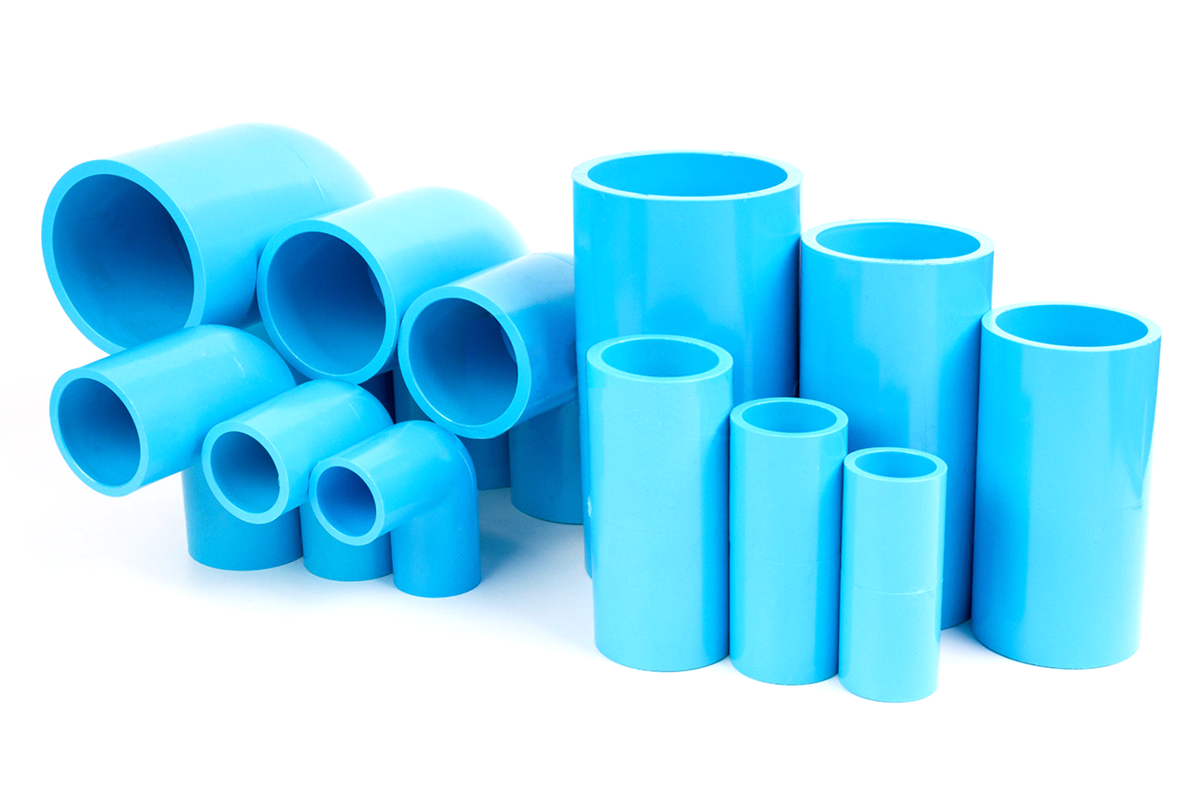
Walk into any construction site or home improvement store, and you’ll find PVC everywhere—from the pipes carrying water through buildings to the window profiles framing our views. What many people don’t realize is that this versatile thermoplastic owes its widespread use to a quiet hero: PVC stabilizers. For extrusion processes, in particular, choosing the right PVC stabilizer isn’t just a matter of meeting production quotas; it’s the difference between a durable, compliant product and one that fails prematurely.
First, let’s understand why stabilizers are non-negotiable for PVC extrusion. Unlike other thermoplastics, PVC has a Achilles’ heel: poor thermal stability. When heated to the 160–200°C temperatures typical of extrusion—especially for rigid products like pipes—PVC starts to release hydrogen chloride (HCl). This triggers a chain reaction of degradation, leading to discoloration (think yellowing, then browning, then blackening) and a sharp drop in mechanical strength. Left unchecked, the material becomes brittle and unusable, not to mention the corrosive HCl gas damaging extrusion equipment. That’s where PVC stabilizers step in. Their core job is to interrupt this degradation process—either by neutralizing HCl, replacing unstable chlorine atoms in the PVC molecular chain, or capturing free radicals that accelerate breakdown. For pipe and profile applications, which demand long-term durability (often 50+ years for plumbing pipes) and consistent performance, the right stabilizer isn’t just an additive; it’s a foundational component of the formulation.
When it comes to extrusion, not all PVC stabilizers are created equal. The choice hinges on factors like processing temperature, product type, regulatory requirements, and cost. Let’s break down the most common types used in pipe and profile manufacturing, along with their pros, cons, and ideal applications:
Lead-based stabilizers have long been a workhorse in the industry, especially for rigid PVC pipes and profiles. Their appeal lies in excellent thermal stability, strong weather resistance, and low cost. Compounds like tribasic lead sulfate or dibasic lead phosphite are often used in one-pack formulations that include lubricants, making them easy to integrate into extrusion processes. For non-transparent, non-food-contact applications—like drainage pipes or indoor profiles—lead-based stabilizers have historically been a go-to choice. However, their days are numbered in many regions. Strict regulations like REACH and RoHS restrict or ban lead-based additives due to environmental and health concerns. As a result, manufacturers are increasingly shifting to alternatives, especially for products sold in the EU, North America, and other regulated markets.
Calcium-zinc (Ca-Zn) stabilizers have emerged as the leading eco-friendly alternative to lead. These non-toxic, lead-free compounds are now the standard for many extrusion applications, including potable water pipes and outdoor profiles. Modern Ca-Zn stabilizers, often formulated as composite systems, offer impressive thermal stability when paired with auxiliary additives like epoxides or phosphites. For example, a high-efficiency Ca-Zn stabilizer (such as the RJ-702 grade used in some formulations) at 3.5 phr (parts per hundred resin) can effectively prevent yellowing even at high extrusion temperatures. One of the key advantages of Ca-Zn stabilizers is their compatibility with environmentally friendly plasticizers like DOTP, which is critical for meeting low-VOC and non-toxicity requirements. However, they do have limitations: traditional Ca-Zn systems can struggle with long-term thermal stability at the upper end of extrusion temperatures (above 190°C) and may require careful lubricant pairing to avoid issues like plate-out or poor surface finish. That said, advances in formulation—such as adding synergistic components—have made high-performance Ca-Zn stabilizers suitable for even demanding extrusion processes.
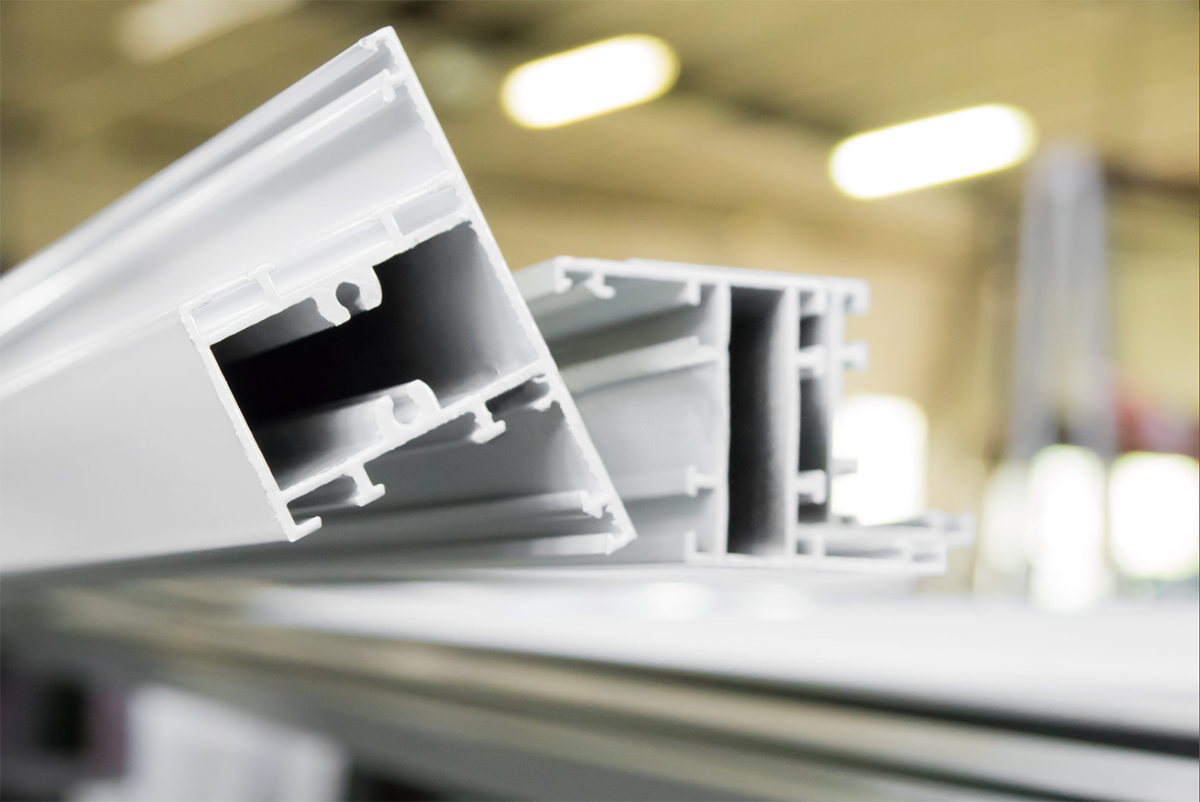
Organotin stabilizers are the premium choice for applications where clarity and high performance are non-negotiable. Compounds like methyltin or octyltin offer exceptional thermal stability, excellent transparency, and low migration, making them ideal for transparent PVC profiles or specialty pipes. They’re also FDA-compliant, which is why they’re used in food-contact PVC applications, though their high cost limits their use in standard pipe and profile manufacturing. For extrusion processes that require a wide processing window (i.e., more flexibility in temperature control), organotin stabilizers are hard to beat. However, their price point—often 3–5 times that of lead or Ca-Zn alternatives—means they’re typically reserved for high-value products rather than commodity pipes or profiles.
To help visualize the trade-offs, here’s a quick comparison of the three main stabilizer types for extrusion applications:
|
Stabilizer Type |
Thermal Stability |
Regulatory Compliance |
Cost |
Ideal Applications |
|
Lead-based |
Excellent |
Non-compliant (EU/NA) |
Low |
Non-regulated rigid pipes, indoor profiles |
|
Calcium-Zinc |
Good to Excellent (with synergists) |
REACH/RoHS Compliant |
Medium |
Potable water pipes, outdoor profiles, eco-friendly products |
|
Organotin |
Excellent |
FDA/REACH Compliant |
High |
Transparent profiles, specialty pipes, food-contact applications |
Now, let’s shift to the practical side: how to select the right PVC stabilizer for your extrusion process, whether you’re making pipes or profiles. The first step is to align your choice with regulatory requirements. If you’re selling into the EU, North America, or other strict markets, lead-based stabilizers are off the table—start with Ca-Zn or organotin. For potable water pipes, you’ll also need to ensure compliance with standards like NSF/ANSI 61, which dictates low migration of additives.
Next, consider your processing conditions. Rigid PVC pipes require higher extrusion temperatures (180–200°C) than many profiles, so you’ll need a stabilizer with strong thermal stability. A composite Ca-Zn system with epoxide synergists or a high-performance organotin stabilizer would be a better choice here than a basic Ca-Zn blend. If your extrusion line runs at high speeds or has frequent downtime, look for stabilizers that offer good lubricity (to reduce friction and heat buildup) and downtime protection properties. For example, some Ca-Zn formulations are designed to prevent die buildup decomposition during extended downtime—critical for avoiding costly cleanup and product defects.
Product performance requirements are another key factor. Outdoor profiles need UV resistance to prevent discoloration and degradation from sunlight, so choose a stabilizer package that includes UV absorbers (like benzotriazoles) or hindered amine light stabilizers (HALS). For pipes that will carry corrosive fluids (like industrial drainage), a stabilizer with good chemical resistance—such as a lead-based or high-performance Ca-Zn system—will be essential. Transparent profiles, on the other hand, demand a stabilizer that doesn’t affect clarity, which points to organotin or specially formulated transparent Ca-Zn stabilizers.
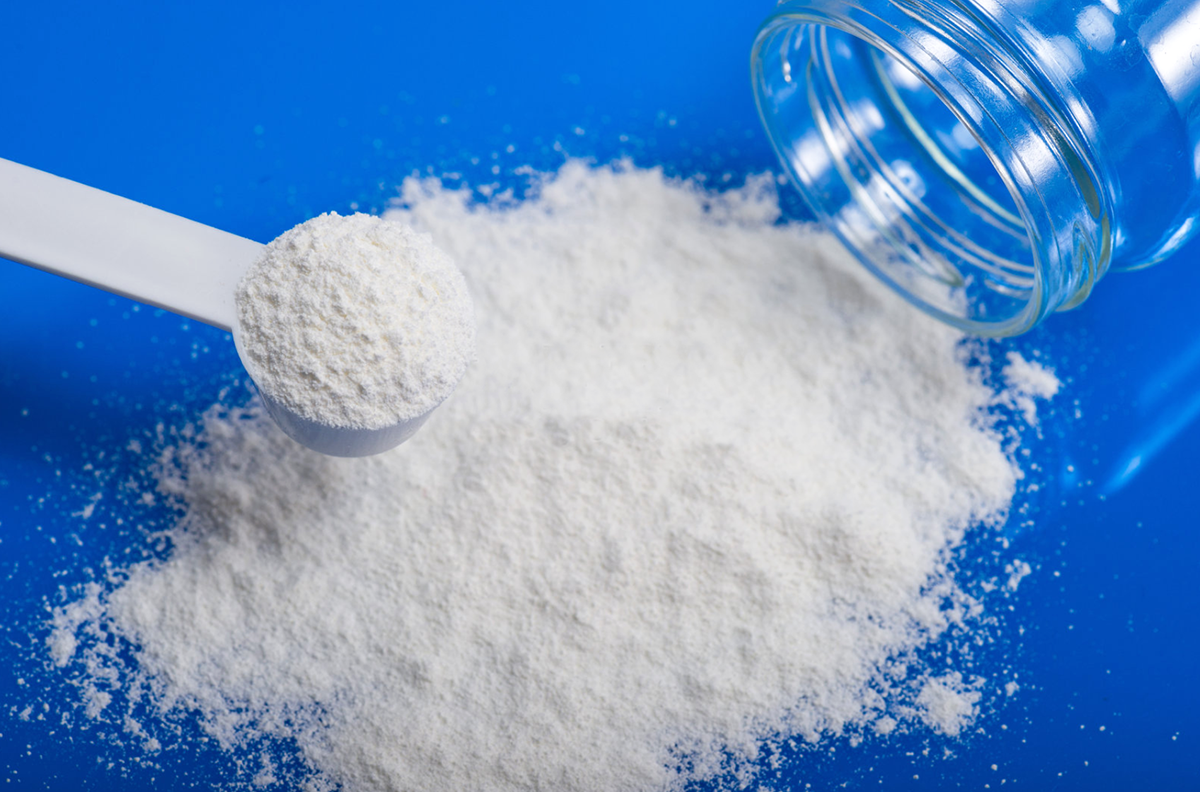
Cost is always a consideration, but it’s important to balance upfront costs with long-term performance. While lead-based stabilizers are cheap, the cost of non-compliance (fines, product recalls) or reputational damage can far outweigh the savings. Ca-Zn stabilizers offer a sweet spot for most applications: they’re more affordable than organotin and compliant with global regulations. Many manufacturers find that investing in a high-quality composite Ca-Zn stabilizer reduces overall production costs by minimizing defects (like yellowing or brittle sections) and improving process efficiency.
To illustrate these principles in action, let’s look at a real-world example: formulating for potable water pipe extrusion. The goal here is to create a pipe that’s non-toxic, durable, and compliant with NSF/ANSI 61. A typical formulation might include: 100 phr PVC-SG5 resin, 35 phr DOTP (environmentally friendly plasticizer), 3.5 phr composite Ca-Zn stabilizer (high-efficiency grade), 20 phr coated calcium carbonate (filler), and 0.3 phr EVA (compatibilizer). The composite Ca-Zn stabilizer provides the necessary thermal stability to withstand extrusion at 185–195°C, while the DOTP and EVA ensure good melt flow and compatibility. The end result is a pipe that meets all safety standards, has a smooth surface finish, and maintains its mechanical properties for decades.
Another example is outdoor window profile extrusion. These profiles need to resist both high extrusion temperatures and long-term UV exposure. A common formulation uses a composite Ca-Zn stabilizer paired with UV absorbers and HALS. The stabilizer package is designed to prevent thermal degradation during extrusion (170–185°C) and slow UV-induced aging. Adding a lubricant component to the stabilizer helps improve melt flow and reduce friction, resulting in profiles with a consistent shape and glossy surface. This formulation meets REACH requirements and ensures the profiles won’t yellow or become brittle even after years of exposure to sunlight.
Finally, it’s worth noting that the best stabilizer choice often involves partnering with a reputable supplier. Every extrusion line is unique—different equipment, resin grades, and processing parameters can affect stabilizer performance. A good supplier will work with you to tailor a stabilizer package to your specific needs, providing technical data sheets (TDS) and on-site support. They can also help you navigate the complex regulatory landscape, ensuring your products meet all local and international standards.
PVC stabilizers are the unsung heroes of extrusion processing for pipes and profiles. They turn a thermally unstable resin into a durable, versatile material that’s essential to modern construction. When selecting a PVC stabilizer for extrusion, focus on regulatory compliance, processing conditions, product performance requirements, and cost balance. For most applications today, composite Ca-Zn stabilizers offer the best combination of performance, compliance, and value. By understanding your needs and working with a trusted supplier, you can ensure your extrusion process runs smoothly, your products meet the highest standards, and your customers get the durability they expect.
Post time: Jan-28-2026