

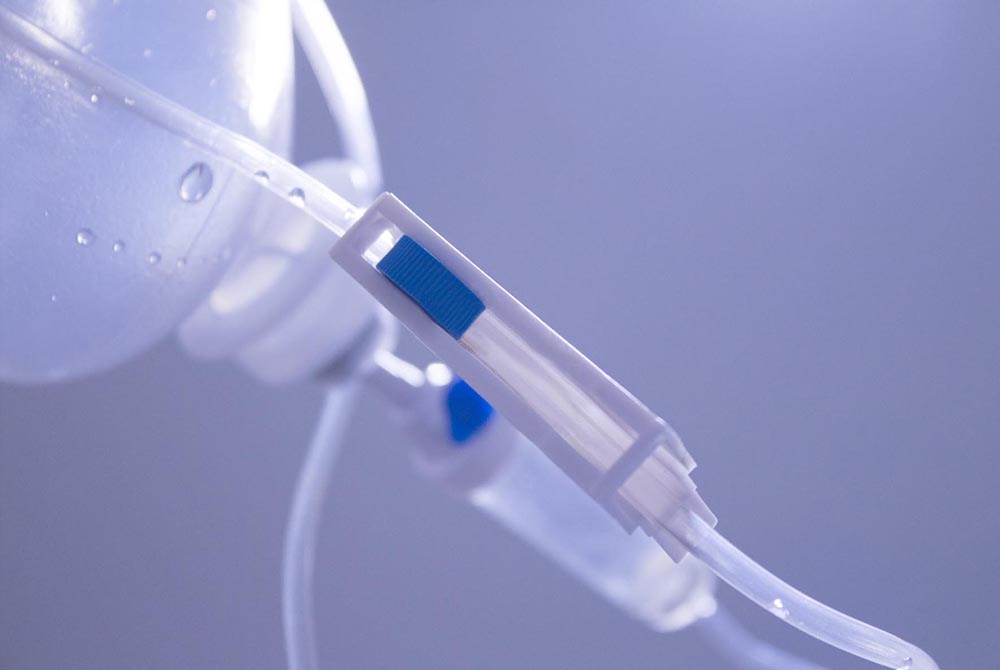
Medical-grade PVC is everywhere in healthcare—from IV tubing and blood bags to catheters and dialysis equipment. Unlike industrial or construction PVC, medical PVC products come into direct or indirect contact with human tissue, blood, and bodily fluids, making their safety non-negotiable. Equally critical is their environmental impact, as the global healthcare industry shifts toward sustainable practices and stricter regulatory standards. The unsung hero behind safe, eco-friendly medical PVC? The right PVC Stabilizer. Not all PVC Stabilizer options are suitable for medical applications—choosing one that balances biocompatibility, thermal stability, and environmental compliance requires a deep understanding of industry standards, material science, and real-world performance.
For medical PVC manufacturers, the stakes couldn’t be higher. A subpar PVC Stabilizer for medical products can lead to product degradation, leaching of harmful substances, regulatory non-compliance, and even risks to patient safety. Meanwhile, outdated stabilizer technologies (like lead-based formulations) are being phased out globally due to their toxicity and environmental harm.
Why Medical PVC Demands a Specialized PVC Stabilizer
To understand why not all PVC Stabilizer options work for medical applications, we first need to address the unique challenges of medical PVC processing and use. PVC, by its nature, is thermally unstable—when heated to processing temperatures (160–190°C for medical-grade PVC), it degrades, releasing hydrochloric acid (HCl) and forming toxic byproducts. This degradation not only ruins the product’s mechanical properties (making it brittle or discolored) but also creates a risk of leaching harmful compounds into the body.
Medical PVC has additional requirements that industrial PVC does not: it must be biocompatible (non-toxic, non-irritating, and non-sensitizing), sterile, and resistant to sterilization methods (autoclaving, ethylene oxide, or gamma radiation). A PVC Stabilizer for medical products must not only prevent thermal degradation during processing but also remain stable during sterilization and throughout the product’s shelf life—without leaching any components that could harm patients or the environment.
According to the ISO 10993 standard (Biological evaluation of medical devices) and FDA’s 21 CFR Part 177, any PVC Stabilizer used in medical products must be proven safe for contact with bodily fluids. This eliminates many common stabilizers: lead-based stabilizers, once widely used for their thermal stability, are banned in medical applications due to lead leaching risks. Cadmium-based stabilizers are similarly prohibited. Even some calcium-zinc (Ca/Zn) stabilizers, while eco-friendly, may not meet the strict biocompatibility or sterilization resistance requirements for critical medical devices.
Key Criteria for Selecting a Safe, Eco-Friendly PVC Stabilizer for Medical Products
Selecting a PVC Stabilizer for medical products is not a one-size-fits-all process. It requires balancing four core criteria: biocompatibility, thermal stability, sterilization resistance, and environmental sustainability. Below is a detailed breakdown of each, backed by industry research and regulatory standards:
1. Biocompatibility: The Non-Negotiable Requirement
Biocompatibility is the most critical factor for any PVC Stabilizer for medical products. According to ISO 10993-1, the stabilizer must not cause cytotoxicity, genotoxicity, or systemic toxicity when in contact with the human body. This means the stabilizer must not leach any harmful compounds—even in trace amounts—into bodily fluids.
The most biocompatible PVC Stabilizer options for medical use are calcium-zinc (Ca/Zn) based, specifically formulated with high-purity stearates (calcium stearate and zinc stearate) and non-toxic co-stabilizers. Unlike lead or cadmium stabilizers, Ca/Zn stabilizers are non-toxic, biodegradable, and do not leach heavy metals. However, not all Ca/Zn stabilizers are suitable: medical-grade formulations must use food-grade or pharmaceutical-grade raw materials, with no impurities (such as heavy metals or harmful additives) that could compromise biocompatibility.
Research published in the Journal of Biomedical Materials Research shows that high-purity Ca/Zn stabilizers with β-diketone co-stabilizers (such as acetylacetone) are the most biocompatible, as they form stable complexes that prevent leaching and ensure long-term stability. These co-stabilizers also enhance thermal performance, addressing a common limitation of standard Ca/Zn stabilizers.
2. Thermal Stability: Critical for Processing and Product Longevity
Medical PVC processing requires precise thermal control—extruding thin-walled IV tubing or molding complex catheter components demands a PVC Stabilizer that can withstand prolonged exposure to high temperatures without degrading. A stabilizer with insufficient thermal stability will cause PVC to discolor (turning yellow or brown) and become brittle, leading to product defects and potential failure in clinical use.
For medical applications, the PVC Stabilizer must provide a thermal stability time of at least 40 minutes at 180°C (per ASTM D2115 standards). Standard Ca/Zn stabilizers often fall short of this, especially when processing thin-walled products that require longer residence times in the extruder. To address this, medical-grade Ca/Zn stabilizers are formulated with additional co-stabilizers, such as epoxidized soybean oil (ESO) or polyols, which extend thermal stability without compromising biocompatibility.
A 2024 study in the Journal of Applied Polymer Science compared the thermal stability of different PVC stabilizers for medical use: lead-based stabilizers offered 60+ minutes of stability at 180°C but failed biocompatibility tests; standard Ca/Zn stabilizers provided 30–35 minutes; and medical-grade Ca/Zn stabilizers with ESO co-stabilizers achieved 45–50 minutes—meeting the strict processing requirements for medical PVC.
3. Sterilization Resistance: Stable Under Harsh Conditions
All medical PVC products must be sterilized before use, and the PVC Stabilizer must remain stable during this process. Common sterilization methods include autoclaving (121°C, 15 psi for 30 minutes), ethylene oxide (EtO) gas, and gamma radiation (25–50 kGy). Each method poses unique challenges for stabilizers: autoclaving exposes the product to high heat and moisture, EtO can react with stabilizer components, and gamma radiation can break chemical bonds in the stabilizer, leading to degradation.
The ideal PVC Stabilizer for medical products must be resistant to all three sterilization methods. Medical-grade Ca/Zn stabilizers with ESO co-stabilizers are particularly effective here: ESO acts as both a co-stabilizer and a plasticizer, enhancing resistance to moisture and radiation. Additionally, stabilizers formulated with hindered phenols (antioxidants) can prevent degradation caused by gamma radiation, ensuring the product remains stable and safe after sterilization.
Importantly, stabilizers must not release any toxic byproducts during sterilization. For example, some stabilizers containing phthalates (a common plasticizer) may leach during autoclaving, which is why medical-grade formulations often use non-phthalate plasticizers (like DINCH or DOTP) alongside compatible Ca/Zn stabilizers to ensure safety.
4. Environmental Sustainability: Aligning with Healthcare’s Green Goals
The healthcare industry is increasingly prioritizing sustainability, and choosing an eco-friendly PVC Stabilizer is a key part of this effort. Lead and cadmium stabilizers are not only toxic to humans but also harmful to the environment—they persist in soil and water, causing long-term pollution. In contrast, Ca/Zn stabilizers are biodegradable, non-toxic, and compliant with global environmental regulations, including EU REACH, FDA, and China’s GB 9685 standard for food contact materials (which applies to medical products in many regions).
Additionally, medical PVC products are often single-use, meaning they end up in medical waste. An eco-friendly PVC Stabilizer ensures that the product breaks down more easily in controlled waste management systems, reducing environmental impact. Some manufacturers are also using bio-based Ca/Zn stabilizers, derived from renewable resources (like plant-based stearates), further enhancing sustainability without compromising performance.
Choosing the Right PVC Stabilizer for IV Tubing
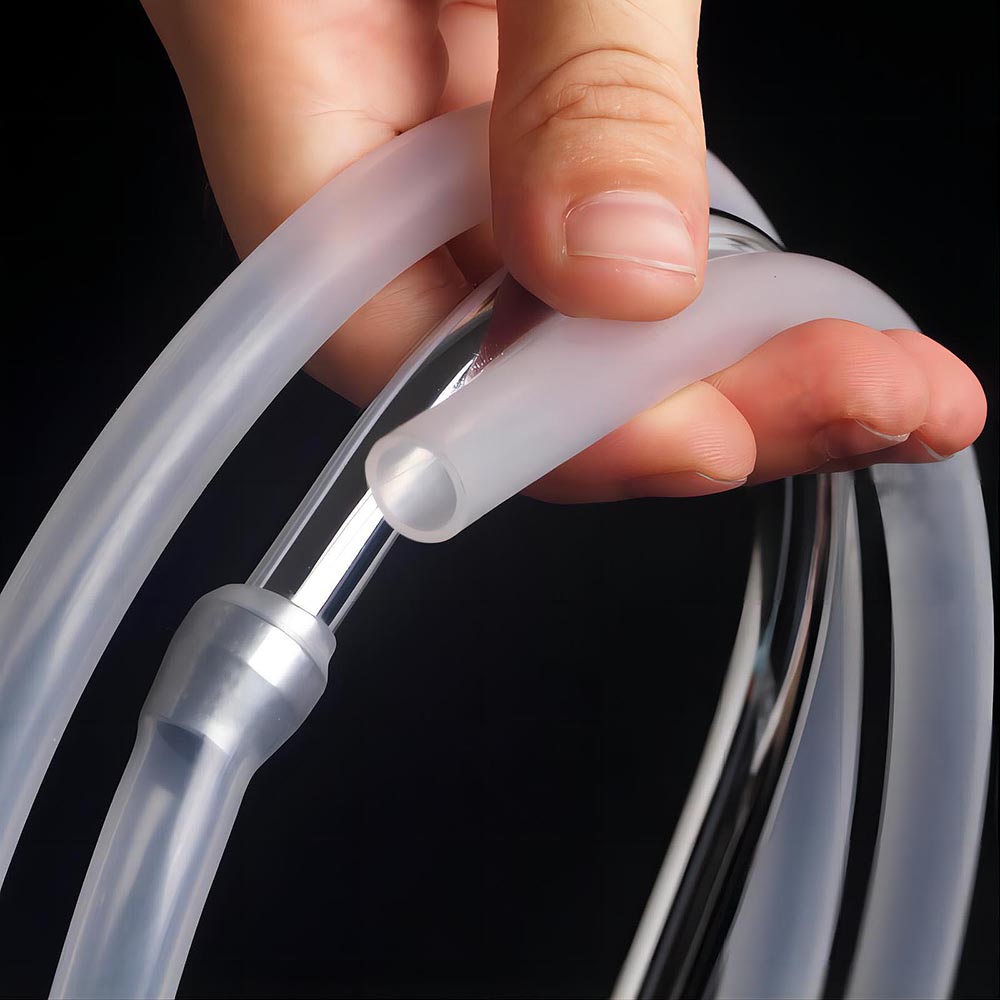
To illustrate how these criteria come together in practice, let’s look at a real case from a medical device manufacturer in Germany that specializes in IV tubing. The company was struggling with product failures: their existing PVC Stabilizer (a standard Ca/Zn formulation) caused the tubing to discolor during extrusion and become brittle after autoclaving. Worse, batch testing revealed trace amounts of zinc leaching—putting the product at risk of FDA non-compliance.
After consulting with material scientists and reviewing peer-reviewed research, the company switched to a medical-grade PVC Stabilizer for medical products: a high-purity Ca/Zn formulation with β-diketone and ESO co-stabilizers, and a non-phthalate plasticizer. The results were transformative: thermal stability at 180°C increased from 32 minutes to 48 minutes, eliminating extrusion discoloration. Autoclaving tests showed no brittleness or leaching—zinc levels were well below the FDA’s allowable limit (0.1 mg/L). Additionally, the new stabilizer was biodegradable, aligning with the company’s sustainability goals.
This case highlights a critical point: even small differences in PVC Stabilizer formulation can have a huge impact on medical product safety and compliance. The company avoided costly recalls and regulatory penalties, while improving product quality and reducing environmental harm.
Common Mistakes to Avoid When Selecting a PVC Stabilizer for Medical Products
Based on years of industry experience, I’ve seen manufacturers make avoidable mistakes when choosing a PVC Stabilizer for medical products. Here are the most common ones, debunked with science-backed advice:
Mistake 1: Prioritizing Cost Over Quality
Some manufacturers opt for cheaper, industrial-grade PVC Stabilizer to cut costs, but this is a risky choice. Industrial-grade stabilizers may contain impurities (like heavy metals) that fail biocompatibility tests, leading to regulatory non-compliance and patient safety risks. The cost of a recall or regulatory penalty far outweighs the upfront savings of a low-quality stabilizer.
Mistake 2: Assuming All Ca/Zn Stabilizers Are Medical-Grade
Not all Ca/Zn stabilizers are suitable for medical use. Industrial-grade Ca/Zn stabilizers may use low-purity raw materials or co-stabilizers that are not biocompatible. Always choose a stabilizer explicitly labeled as “medical-grade” and backed by biocompatibility test reports (per ISO 10993) and regulatory certifications.
Mistake 3: Ignoring Sterilization Compatibility
A PVC Stabilizer that works well during processing may degrade during sterilization. Always test the stabilizer with your specific sterilization method—autoclaving, EtO, or gamma radiation—to ensure it remains stable and does not leach harmful compounds.
Choosing a PVC Stabilizer for medical products is a decision that impacts patient safety, regulatory compliance, and environmental sustainability. Unlike industrial applications, medical PVC demands a stabilizer that is not only thermally stable but also biocompatible, sterilization-resistant, and eco-friendly. High-purity Ca/Zn stabilizers with β-diketone and ESO co-stabilizers are the gold standard—they meet all these criteria, align with global regulations, and support the healthcare industry’s shift toward sustainability. For medical PVC manufacturers, the key is to prioritize quality over cost, verify compliance with ISO 10993 and FDA standards, and test the stabilizer in real-world processing and sterilization conditions. The right PVC Stabilizer isn’t just an additive—it’s a critical component that ensures medical devices are safe for patients, compliant with regulations, and kind to the environment. In healthcare, where every detail matters, choosing the right stabilizer is non-negotiable.
Post time: Apr-16-2026