

Polyvinyl Chloride (PVC) is one of the most versatile synthetic polymers worldwide, applied in construction, electronics, healthcare, agriculture, and more. Its popularity comes from excellent mechanical properties, chemical resistance, low cost, and adaptability to various processing methods. However, PVC is thermally unstable—without specialized additives, its processing and service life are severely limited. PVC stabilizers play a pivotal role in mitigating degradation, ensuring product quality, and expanding PVC’s application scope. This blog explores PVC stabilizers, focusing on PVC heat stabilizers, their mechanisms, and indispensable roles in pipe, cable, tarpaulin, and medical sectors. As a seasoned PVC stabilizer manufacturer, TOPJOY CHEMICAL develops high-performance stabilizer solutions tailored to each application’s unique challenges.
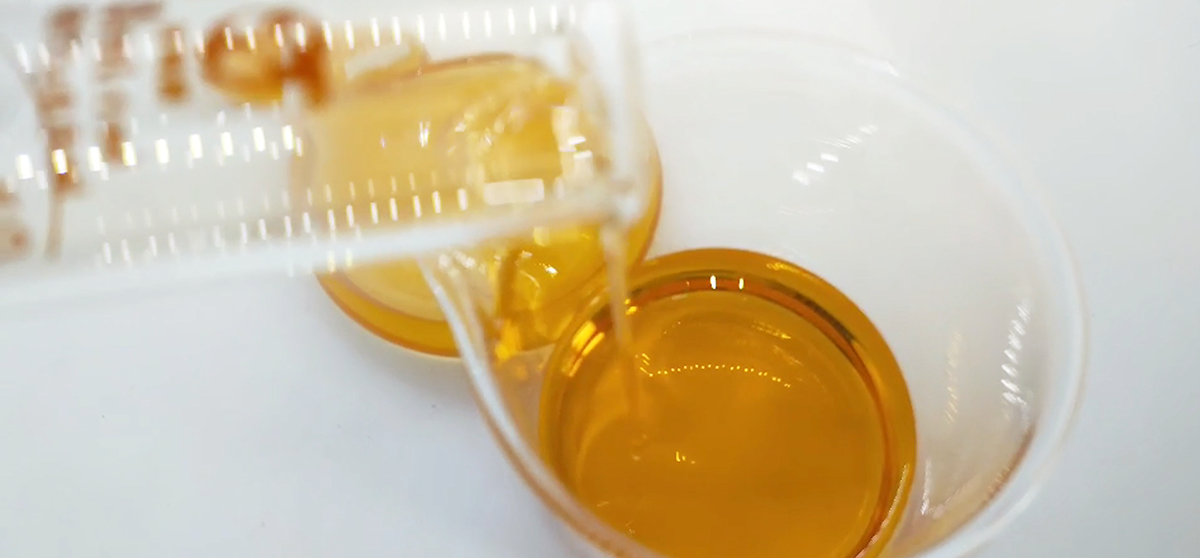
Understanding PVC Stabilizers: Definition and Core Functions
PVC stabilizers are additives that prevent or slow PVC resin degradation during processing (extrusion, injection molding, calendering) and service. PVC degrades at temperatures as low as 100°C—well below the 150–200°C required for processing—and under sunlight, oxygen, or moisture. Degradation causes discoloration, reduced mechanical strength (brittleness, cracking), and release of toxic corrosive byproducts like hydrogen chloride (HCl).
Their primary function is to interrupt degradation chains, neutralize harmful byproducts, and protect the polymer backbone. Key roles include:
• Thermal Stabilization: PVC heat stabilizers, a subset of PVC stabilizers, resist thermal degradation, enabling consistent processing without compromising material integrity—critical for high-temperature operations.
• Light Stabilization: Shields outdoor PVC products from UV radiation, which accelerates oxidation.
• Oxidation Stabilization: Inhibits PVC-oxygen reactions that cause chain scission or cross-linking, preventing material hardening/softening.
Neutralization: Counters acidic byproducts like HCl, which catalyze further degradation and corrode equipment.
Classification of PVC Stabilizers: Focus on PVC Heat Stabilizers
PVC stabilizers are categorized by chemical composition, with PVC heat stabilizers being the most widely used due to thermal degradation risks in processing. Common types include heavy metal, organic, and hybrid stabilizers.
▼ Heavy Metal PVC Heat Stabilizers
Historically, heavy metal stabilizers (lead, cadmium, barium) dominated due to exceptional thermal resistance and cost-effectiveness. However, environmental and health concerns led to strict regulations (EU REACH, U.S. EPA) banning their use in food contact, healthcare, and children’s products.
As a responsible PVC stabilizer manufacturer, TOPJOY CHEMICAL has phased out heavy metal solutions, adopting eco-friendly alternatives that meet global sustainability goals without sacrificing performance.
▼ Organic PVC Heat Stabilizers
Organic stabilizers are non-toxic, eco-friendly alternatives to heavy metals, with key types including:
• Calcium-Zinc (Ca-Zn) Stabilizers: Non-toxic, biodegradable, and compliant with global food/medical regulations. TOPJOY CHEMICAL’s Ca-Zn PVC heat stabilizers offer superior thermal stability, PVC compatibility, and low volatility, ensuring consistent processing and quality for pipes, cables, and medical devices.
• Organotin Stabilizers: Highly efficient for high-performance applications requiring clarity (medical tubing, food containers) and extreme temperature resistance, with rapid HCl neutralization and long-term stability.
• Epoxidized Compounds: Co-stabilizers (e.g., epoxidized soybean oil) enhance thermal stability, plasticization, and flexibility—ideal for flexible PVC like cables and tarpaulins.
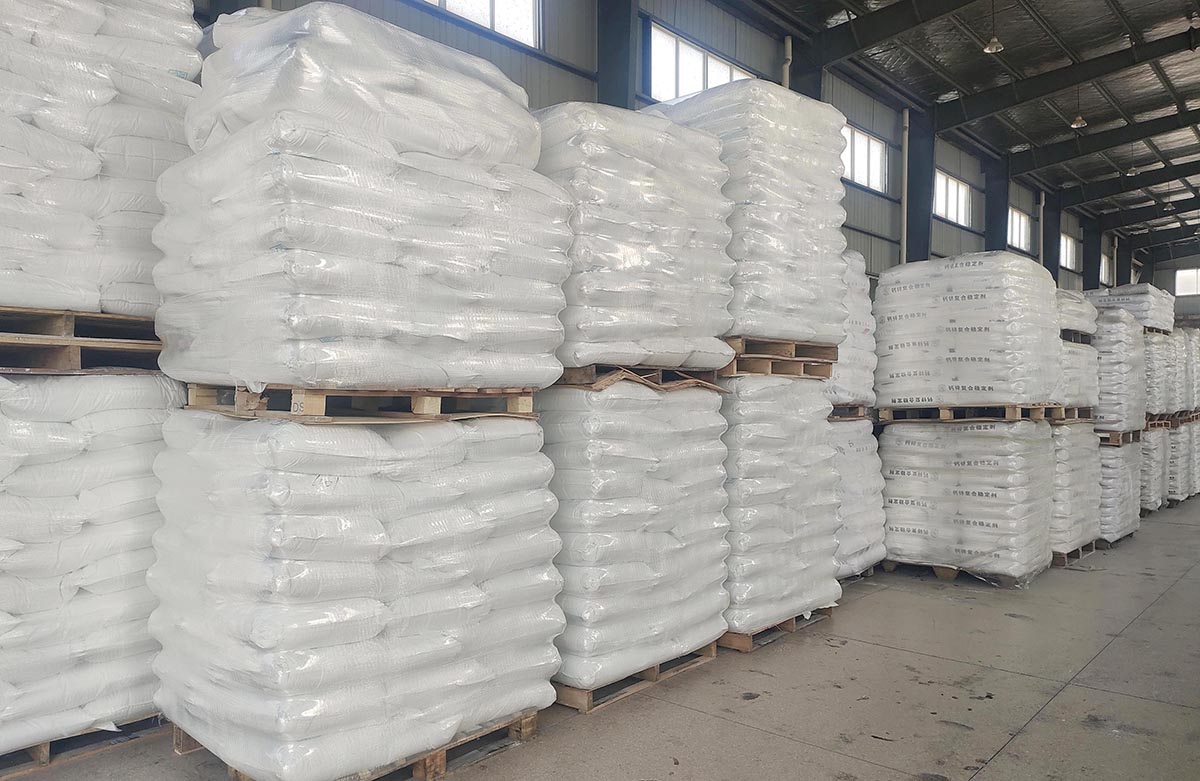
Why PVC Stabilizers Are Essential in PVC Processing
PVC stabilizers are indispensable for three core reasons:
▼ Enabling Safe and Efficient Processing
Without PVC heat stabilizers, rapid degradation during processing releases HCl (corroding equipment and endangering workers) and renders PVC unprocessable. Stabilizers allow operation within required temperature ranges, ensuring consistent flow, shaping, and minimal waste.
▼ Ensuring Product Quality and Durability
Stabilizers prevent discoloration, maintain mechanical properties (tensile strength, flexibility), and extend service life. For example, stabilized PVC pipes last decades, while unstabilized ones crack within months; stabilized cables retain insulation, reducing safety hazards.
▼ Expanding PVC Application Scope
Stabilizers enable PVC use in harsh environments: outdoor tarpaulins need UV/heat protection, while medical devices require non-toxic, compliant stabilizers. Without them, PVC is limited to low-temperature indoor applications.
PVC Stabilizers in Key Application Scenarios
Different applications demand tailored stabilizers. Below is their role in four critical sectors, with TOPJOY CHEMICAL’s specialized solutions ensuring compliance and performance.
▼ Pipe Applications
PVC pipes are widely used in water supply, drainage, and irrigation, facing thermal stress during extrusion and harsh underground/chemical environments. Key stabilizer requirements: high extrusion thermal stability, long-term chemical resistance, and drinking water compliance (NSF/ANSI 61).
TOPJOY CHEMICAL’s Ca-Zn PVC heat stabilizers ensure uniform extrusion, no discoloration, and 50+ year service life, meeting drinking water safety standards. For heavy-duty sewage pipes, our hybrid Ca-Zn + epoxidized compound systems boost chemical resistance.
▼ Cable Applications
PVC dominates cable insulation/sheathing for electrical performance, flame retardancy, and flexibility. Stabilizers must ensure thermal stability during extrusion, flame retardant compatibility, UV resistance, and flexibility retention.
TOPJOY CHEMICAL’s cable-specific PVC heat stabilizers include Ca-Zn formulations with epoxidized soybean oil (flexible sheathing) and organotin solutions (high-voltage/extreme temperature cables). Our stabilizers are compatible with flame retardants (IEC 60332 compliant) and support low-smoke, halogen-free (LSHF) eco-friendly cables.
▼ Tarpaulin Applications
PVC tarpaulins serve agriculture, construction, and transportation, requiring UV/heat stability, flexibility, and chemical resistance to withstand outdoor stress and mechanical wear.
TOPJOY CHEMICAL’s tarpaulin stabilizers combine Ca-Zn heat stabilizers with UV absorbers and HALS for comprehensive protection. Our non-toxic agricultural formulations comply with food contact standards, while heavy-duty construction grades add anti-abrasion additives.
▼ Medical Applications
PVC is used in medical tubing, IV bags, and drapes, demanding non-toxic, leach-resistant stabilizers compatible with sterilization (autoclaving, gamma radiation) and clarity retention (ISO 10993, USP Class VI compliant).
TOPJOY CHEMICAL’s medical-grade stabilizers include high-purity organotin solutions (excellent sterilization stability and clarity for tubing/catheters) and Ca-Zn blends for IV bags/drapes. Third-party certified and globally compliant, they ensure safe, reliable medical devices.
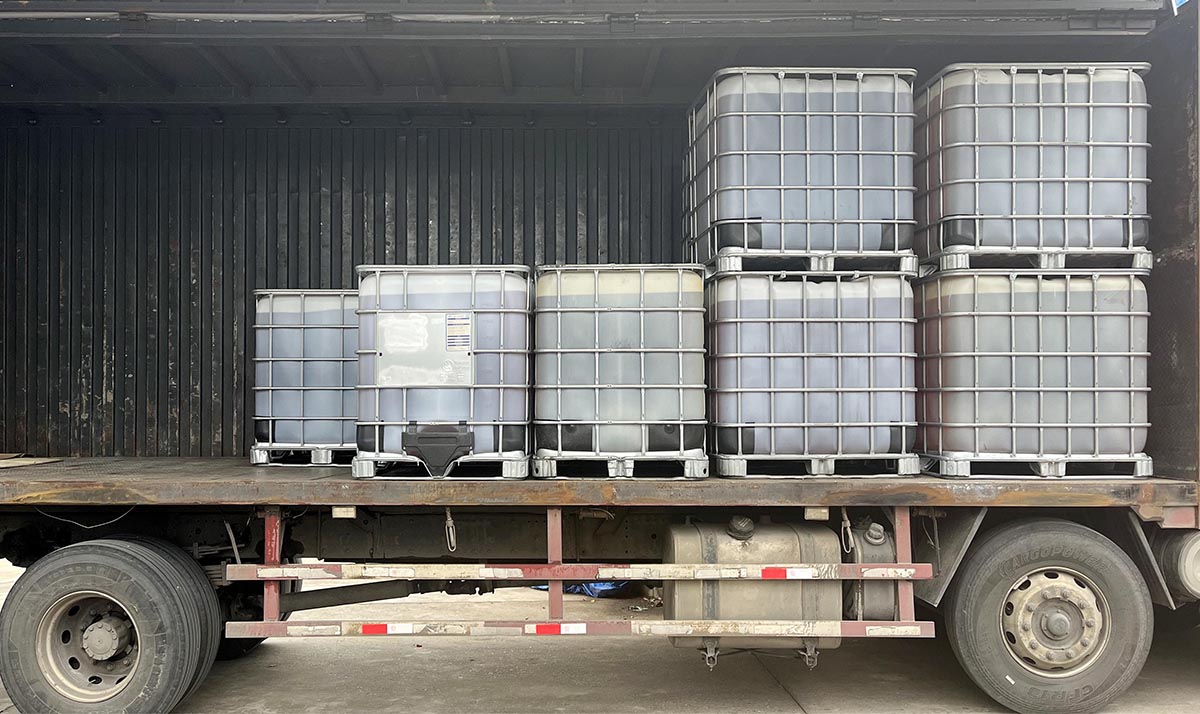
The Role of TOPJOY CHEMICAL as a Leading PVC Stabilizer Manufacturer
TOPJOY CHEMICAL delivers quality stabilizers through:
• Custom Formulations: Tailored solutions for specific processing, product, and regulatory needs across industries.
• Eco-Friendly Innovation: Heavy metal-free stabilizers (Ca-Zn, organotin) complying with REACH, RoHS, and sustainability goals.
• Quality Assurance: ISO 9001 certified, with rigorous lab testing and end-to-end quality control.
• Technical Support: Chemical engineers assist with selection, formulation, and troubleshooting to improve efficiency and reduce waste.
Future Trends in PVC Stabilizers
Key industry trends include:
• Bio-Based Stabilizers: TOPJOY CHEMICAL invests in R&D for bio-based Ca-Zn stabilizers, reducing carbon footprint without performance loss.
• High-Efficiency Low-Dosage Stabilizers: Our latest organotin formulations cut dosage by 30% vs. traditional options, lowering costs and environmental impact.
• Multifunctional Stabilizers: Integrated heat/light/oxidation protection simplifies formulations and reduces costs.
PVC stabilizers—especially PVC heat stabilizers—are critical for high-quality, durable PVC products across industries. TOPJOY CHEMICAL leads with innovative, eco-friendly solutions, combining quality, customization, and sustainability to meet evolving industry needs.
Post time: Jan-12-2026