

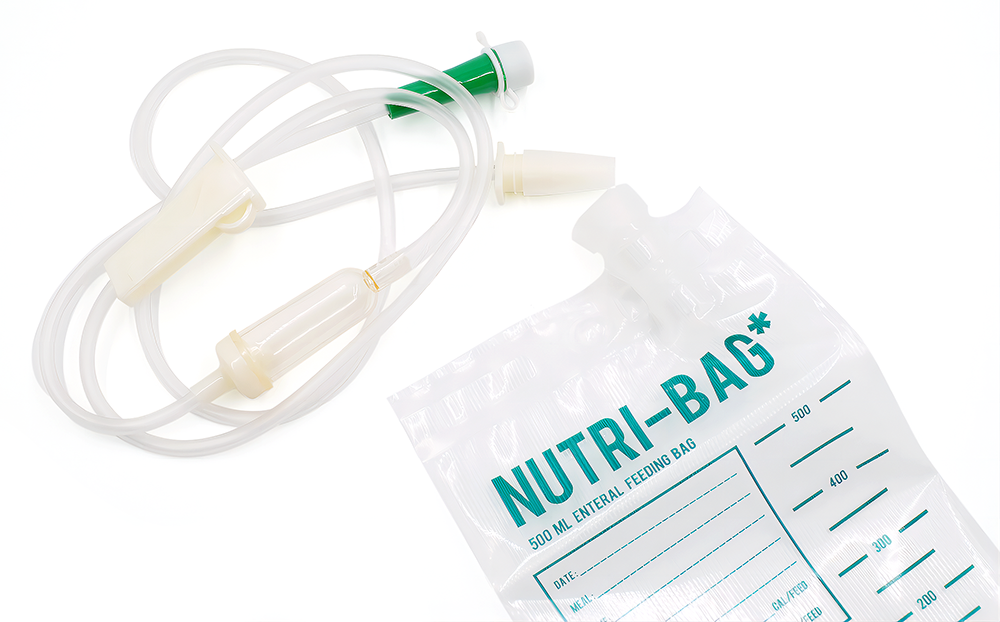
Medical PVC is the dominant material for disposable healthcare products, ranging from infusion tubing and blood storage bags to catheters and surgical accessories. Its outstanding flexibility, cost efficiency, and moldability make it a staple in modern medical manufacturing. Even so, the overall safety, regulatory compliance, and clinical reliability of finished medical PVC products depend far more on compounding additives than raw resin quality. The thermal stabilizer used during production directly impacts biocompatibility, non-toxic performance, and long-term safety for patient contact.
Formulation engineers and procurement teams regularly face a critical decision: selecting between calcium zinc stabilizer and methyl tin stabilizer for medical-grade PVC. Persistent industry misconceptions often complicate this choice. Many professionals assume methyl tin delivers superior processing stability, while others fear unaddressed toxicity risks that can lead to compliance failures. Selecting an unsuitable stabilizer can result in elevated extractable levels, failed ISO 10993 biocompatibility assessments, post-sterilization yellowing, and ultimately rejected medical device certifications that delay production and increase costs.
Core Safety Differences Between Medical Grade PVC Stabilizers
Medical-grade PVC stabilizers operate under vastly stricter standards than general industrial alternatives. They must uphold zero-toxicity benchmarks, minimal molecular migration, and consistent physical properties even after repeated sterilization cycles. In medical manufacturing, tiny formulation flaws can escalate to patient safety hazards and non-compliance penalties, making stabilizer selection one of the most critical steps in PVC compound development.
Calcium zinc stabilizer is an eco-friendly, non-toxic composite additive formulated with calcium stearate, zinc stearate, and harmless auxiliary components. Free of heavy metals and toxic organic compounds, it fully complies with global medical and environmental standards, including USP Class VI, ISO 10993, RoHS, and REACH. Its core advantage is reliable biological safety; it produces no toxic residues or bioaccumulative substances during high-temperature processing or long-term product service life. This makes it ideal for medical PVC items that come into direct contact with human blood, tissues, and bodily fluids.
Methyl tin stabilizer is a liquid organic tin additive renowned for exceptional thermal stability and transparent finishing effects. It excels at preserving PVC clarity and uniform color during high-temperature extrusion, making it popular for applications demanding premium visual quality. Even medical-grade methyl tin carries inherent limitations. As an organic tin compound, it poses potential bioaccumulation risks within the human body. Low-purity variants contain residual toxic impurities that raise extractable levels in finished products. Additionally, global medical regulatory authorities continue tightening restrictions on organic tin usage in disposable patient-contact devices.
Key Performance Comparison for Medical PVC Applications
1. Biocompatibility and Non Toxic Performance
Biocompatibility is the foundational requirement for medical device certification. Premium calcium zinc stabilizers feature entirely safe mineral-based compositions that trigger no skin irritation, cellular toxicity, or tissue rejection. PVC products formulated with calcium zinc consistently pass third-party cytotoxicity, irritation, and sensitization testing, solidifying their status as the primary choice for high-standard disposable medical consumables.
Methyl tin stabilizers only offer conditional safety for medical applications. While high-purity grades can meet basic biocompatibility standards for short-term disposable use, their organic tin structure creates cumulative toxicity risks with prolonged or repeated human contact. For reusable medical devices or long-term implantable PVC components, methyl tin cannot match the consistent safety profile of optimized calcium zinc stabilizer formulations.
2. Low Extractables and Leachables Stability
High extractables and leachables are the leading cause of medical PVC product failures. Stabilizer migration into blood, infusion solutions, or medications can compromise drug efficacy and endanger patient safety. Calcium zinc stabilizers feature a tightly bonded, stable molecular structure that resists separation during high-temperature processing and long-term storage. This ultra-low migration performance ensures finished products maintain compliant leachable levels for their entire service life.
Though user-friendly for processing, methyl tin stabilizers carry higher migration risks under humid conditions and post-sterilization treatment. Ethylene oxide sterilization and high-pressure steam disinfection can cause trace organic tin residues to separate from the PVC matrix, increasing extractable values. Manufacturers relying on methyl tin must implement rigorous purification processes and batch-by-batch testing to sustain compliance, significantly raising overall production costs and quality control workloads.
3. Sterilization Resistance and Color Stability
Medical PVC products undergo regular sterilization, a process that commonly accelerates material aging, discoloration, and performance degradation. Modern upgraded calcium zinc stabilizers integrate specialized anti-aging and UV-resistant additives that effectively resist fading and structural deterioration after multiple sterilization rounds. Finished blood bags and infusion tubes retain clear, colorless appearances and stable physical properties throughout their shelf life.
Methyl tin stabilizers deliver superior initial thermal stability, creating brighter, clearer PVC finishes during extrusion. However, they lack robust post-sterilization aging resistance. After disinfection and long-term storage, methyl tin-formulated PVC gradually develops faint yellow discoloration, downgrading product appearance and commercial grade. For premium medical packaging and long-shelf-life consumables, methyl tin fails to deliver reliable long-term color stability.
4. Production Cost and Batch Stability
For large-scale medical PVC manufacturing, batch consistency and cost efficiency directly impact profitability and product qualification rates. Calcium zinc stabilizers provide a 15% to 20% cost advantage over methyl tin alternatives. Their stable, mature formula requires minimal parameter adjustments during continuous production, lowering defective rates, streamlining workflows, and improving overall manufacturing efficiency.
Methyl tin stabilizers demand extremely precise production conditions. Minor raw material impurities or temperature fluctuations easily create batch-to-batch inconsistencies. While they perform excellently in controlled laboratory settings, their sensitivity introduces higher operational risks in mass continuous production, requiring stricter quality monitoring and process adjustment.
Practical Manufacturer Selection Guide
Drawing on clinical safety protocols and real manufacturing experience, we’ve compiled straightforward, scenario-based selection guidelines to help formulation engineers and procurement teams make low-risk, high-compliance stabilizer choices.
Prioritize calcium zinc stabilizer for all high-risk disposable medical PVC products, including blood bags, intravenous infusion tubes, pediatric medical parts, and short-term invasive contact devices. These applications demand absolute non-toxicity and minimal leachables to eliminate clinical safety risks. Switching to calcium zinc formulations also supports manufacturers in upgrading to eco-friendly, fully compliant product lines, aligning with increasingly stringent global medical and environmental regulations.
Reserve methyl tin stabilizer exclusively for low-risk medical PVC components that require ultra-high transparency and flawless color uniformity, such as non-contact medical equipment housings and protective accessories. It is only suitable for products with no direct blood or tissue contact and no long-term storage requirements. Manufacturers choosing methyl tin must source only high-purity medical-grade variants and conduct full extractable testing for every production batch to maintain compliance.
Medical PVC Stabilizer FAQ
Is calcium zinc stabilizer fully compliant with global medical device standards?
Yes. Premium medical-grade calcium zinc stabilizers fully pass ISO 10993 biocompatibility testing, USP Class VI certification, and global RoHS and REACH environmental compliance checks. It is a universally recognized safe additive for medical PVC, widely implemented by top medical device manufacturers across the globe.
Does methyl tin stabilizer have definite toxicity risks for medical use?
High-purity medical-grade methyl tin offers controllable short-term safety for disposable use. Even so, organic tin compounds carry potential bioaccumulation hazards for human bodies. Repeated or long-term medical contact creates hidden safety risks, prompting many regional regulatory bodies to phase down methyl tin usage in critical disposable medical consumables.
Which stabilizer is better for blood bags and infusion tubing?
Calcium zinc stabilizer is the industry-preferred option for blood bags and infusion tubing. Its non-toxic composition, ultra-low leachable performance, and outstanding sterilization resistance perfectly adapt to long-term liquid storage and direct clinical blood contact. It effectively prevents stabilizer migration that could contaminate medications or harm patients.
Can calcium zinc stabilizer replace methyl tin in all medical PVC scenarios?
Modern upgraded calcium zinc stabilizers can replace methyl tin in nearly all mainstream medical consumable applications. Latest formulation advancements have bridged the gaps in thermal stability and surface transparency, fully meeting standard medical PVC processing and performance requirements. Only a small number of ultra-high-transparency, non-contact medical accessories still benefit from methyl tin usage.
Which stabilizer delivers better long-term shelf life stability?
Calcium zinc stabilizer delivers superior long-term shelf life stability. It resists aging, yellowing, and molecular migration during prolonged storage and repeated sterilization cycles, retaining stable performance throughout the medical device’s valid service period. Methyl tin-based PVC products are far more susceptible to color degradation and performance decline over extended storage.
Post time: Jul-22-2026