

If you’re in the industrial PVC sector, you’ve likely grappled with the dilemma of lead-based PVC stabilizers. For decades, they’ve been a workhorse in processing Industrial PVC—offering unbeatable thermal stability and cost-effectiveness—but today’s regulatory landscape and sustainability demands have turned them into a double-edged sword.
First, let’s ground ourselves in reality: lead-based PVC stabilizers are not obsolete, but their dominance is fading fast. According to data from the China Plastics Processing Industry Association (CPPIA), global usage of rigid Industrial PVC products has plummeted from 38.7% in 2020 to just 19.3% in 2025, marking five consecutive years of decline . Yet, they cling to niche markets where their unique properties remain hard to replace.
Their strongest hold is in low-margin, non-consumer Industrial PVC goods. In industrial PVC pipes (non-drinking water), cable sheaths, and construction profiles, especially in regions with lax regulation, composite lead salt products still account for around 28.5% of stabilizer use . The appeal is straightforward: lead-based stabilizers deliver exceptional long-term thermal stability, superior electrical insulation, and a price point 15-20% lower than calcium-zinc alternatives . For small to mid-sized manufacturers operating on thin profit margins, this cost gap has kept lead-based options in rotation.
A notable bright spot is high-performance Industrial PVC applications. In 35 kV+ high-voltage cable sheaths, deep-sea oil and gas hose liners, and military-grade flame-retardant PVC, lead-based stabilizers maintain a 12.6% year-over-year growth in demand . Here, their ability to withstand extreme temperatures, resist chemical degradation, and preserve mechanical strength under prolonged stress remains unmatched by lead-free alternatives. However, this segment is highly specialized—requiring AS9100 or API Q1 certifications—and accessible only to a handful of technical-grade manufacturers.
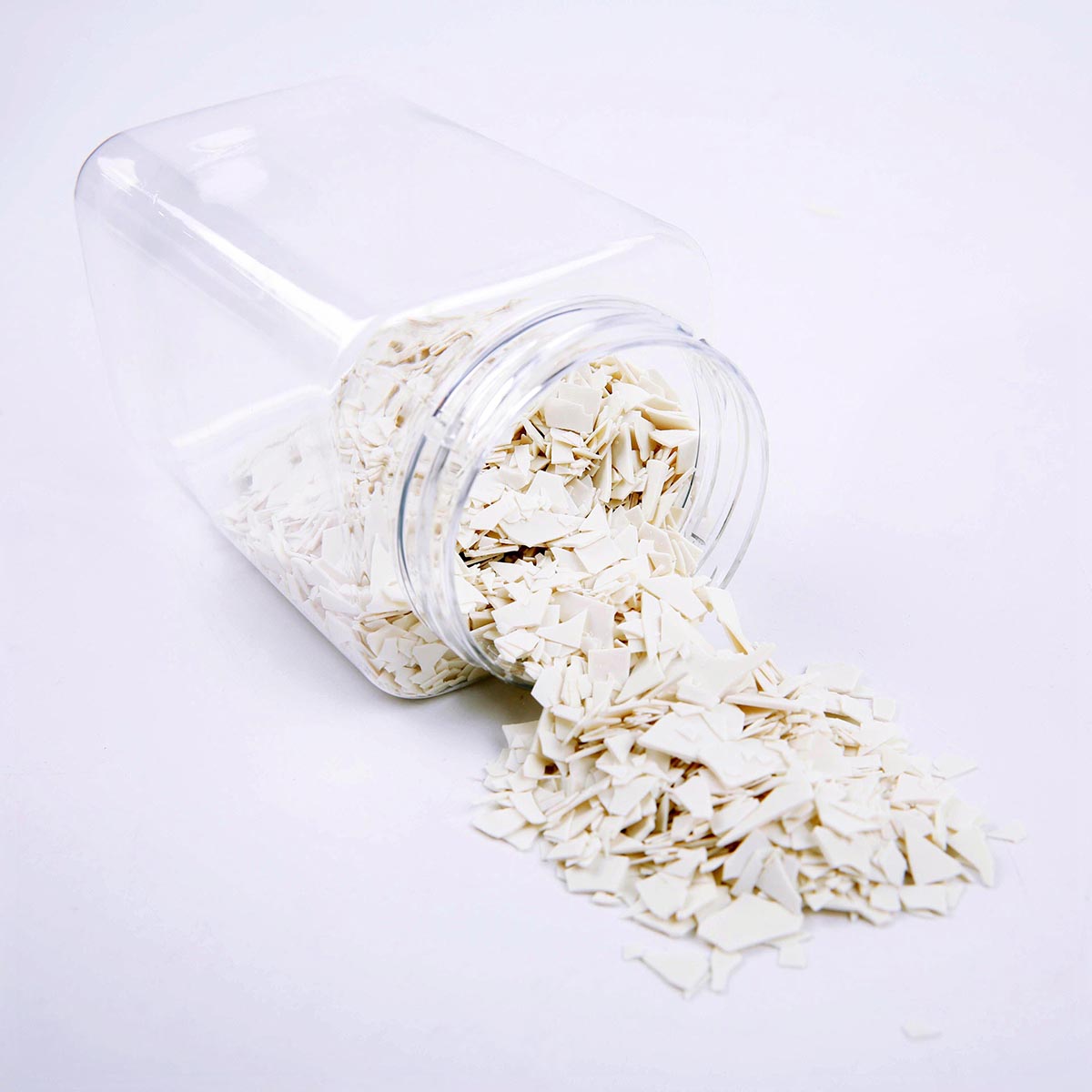
Key Pain Points & Solutions for Industrial PVC Manufacturers
Most industrial PVC producers face three core challenges with lead-based stabilizers: regulatory compliance, supply chain risks, and safety liabilities. Let’s break down each issue and practical fixes.
1. Regulatory Compliance: Navigate Regional Rules Without Disruption
The biggest headache is the patchwork of global regulations. The EU REACH Annex XVII restricts lead content in industrial PVC to 0.1%, while the U.S. TSCA has tightened import checks for lead-containing plastics . Developing markets are catching up too—Vietnam plans to cut lead limits from 1000 ppm to 100 ppm by 2027, and India is introducing a mandatory registration system for lead additives .
Practical Advice: Conduct a “compliance audit” of your end markets first. If selling to the EU, North America, or major global brands (Apple, IKEA, Siemens), phase out lead-based stabilizers immediately—these buyers now require third-party non-lead certifications . For Southeast Asian or African markets, stockpile limited quantities but invest in lead-free trials now. The export window for lead-based products will close by 2027-2028 as local regulations take effect . Keep detailed SDS (Safety Data Sheets) and batch records—authorities in emerging markets are increasingly targeting unlabeled, high-lead formulations .
2. Supply Chain & Cost Volatility: Mitigate Risks
Lead-based stabilizer supply chains are shrinking. In 2025, only 87 manufacturers remained globally (down from 121 in 2020), and raw material costs have risen 4.7% year-over-year due to stricter lead smelting regulations . Meanwhile, lead-free alternatives are becoming more cost-competitive as production scales up.
Practical Advice: Avoid long-term contracts for lead-based stabilizers. Instead, secure short-term (6-12 month) supply agreements while testing calcium-zinc or organotin blends. For industrial PVC pipes and profiles, calcium-zinc stabilizers can match lead-based performance when paired with co-stabilizers (e.g., epoxidized soybean oil). While initial costs are 10-15% higher, energy savings from improved processability (reduced torque load, less die buildup) often offset the difference . For high-voltage cables, consider hybrid systems—combining small amounts of lead-based stabilizers with organotin to meet performance requirements while cutting lead content for compliance .
3. Safety & Environmental Liabilities: Protect Your Operations
Lead exposure risks to workers and environmental contamination are major liabilities. Unregulated use of lead-based stabilizers in recycling facilities has led to 3-5 times higher lead content than allowed, triggering fines and shutdowns. Additionally, lead-based industrial PVC is harder to recycle—multiple heat cycles cause discoloration and mechanical degradation.
Practical Advice: If continuing to use lead-based stabilizers, invest in proper ventilation and PPE (personal protective equipment) for workers. Implement separate processing lines for lead-based and lead-free Industrial PVC to avoid cross-contamination. For recycling, limit lead-based PVC to 5% of feedstock to prevent performance issues . Document all safety training and waste disposal procedures—liability claims often stem from inadequate record-keeping, not just usage.
Lead Based vs. Lead-Free Stabilizers: A Practical Comparison for Industrial PVC
To help you choose the right stabilizer for your Industrial PVC application, let’s break down how lead-based stabilizers stack up against the two most common lead-free alternatives—calcium-zinc and organotin—in key areas that matter for industrial use. When it comes to thermal stability, lead-based stabilizers excel in long-term heat resistance, while calcium-zinc options perform well with the addition of co-stabilizers and organotin variants offer superior color retention. For electrical insulation, lead-based stabilizers are unmatched for high-voltage cables, making them a top choice for specialized applications, whereas calcium-zinc works for low-voltage needs, and organotin is compatible with most standard cables.
Cost is a major differentiator: lead-based stabilizers are the most affordable, priced between $1,900-$2,100 per ton in 2025, while calcium-zinc is 10-15% more expensive and organotin carries a premium price tag, often used for transparent or precision components. Compliance risk is another critical factor—lead-based stabilizers face high restrictions in most export and consumer markets, while both calcium-zinc and organotin meet global standards like REACH and RoHS, with organotin even approved for food and medical-grade applications. Ultimately, lead-based stabilizers are best for high-voltage cables and military-grade PVC, calcium-zinc suits pipes, profiles and general industrial goods, and organotin is ideal for transparent sheets and precision parts.
To help you choose the right stabilizer for your Industrial PVC application, here’s a side-by-side comparison of key factors:
Data sources: China Plastics Processing Industry Association (CPPIA), Global PVC Stabilizer Market Report 2025.
A Phased Approach to Transition
The writing is on the wall: lead-based PVC stabilizers will be fully phased out of industrial PVC within the next five years. Instead of waiting for regulations to force your hand, adopt a phased transition to minimize disruption:
• Short-term (0-12 months): Audit your product portfolio. For export/consumer-facing Industrial PVC, switch to calcium-zinc stabilizers immediately. For high-performance applications (e.g., high-voltage cables), test hybrid lead-organotin blends to reduce lead content by 50% while maintaining performance.
• Mid-term (1-3 years): Invest in process optimization for lead-free formulations. Work with your stabilizer supplier to tweak lubricant packages—calcium-zinc systems often require adjustments to avoid die buildup . Train your team on lead-free processing and safety protocols to eliminate cross-contamination.
• Long-term (3+ years): Phase out lead-based stabilizers entirely. For high-performance industrial PVC, partner with suppliers to develop custom lead-free blends—advancements in calcium-zinc technology are closing the performance gap in extreme applications .
Remember, the goal isn’t just to comply with regulations—it’s to future-proof your business. Major industrial PVC buyers are already making “no lead” a non-negotiable requirement, and early adopters of lead-free technologies are gaining a competitive edge in sustainability-focused markets.
Lead-based PVC stabilizers have served the Industrial PVC industry well, but their era is ending. By understanding current applications, addressing compliance and safety risks, and adopting a phased transition to lead-free alternatives, you can protect your operations, meet market demands, and maintain profitability. The key is to act proactively—regulatory deadlines and supply chain shifts won’t wait for you to catch up.
Post time: Mar-04-2026