

Outdoor PVC products such as fencing, window profiles, wall cladding, and tarpaulins face unavoidable degradation challenges under long-term solar radiation and harsh weather conditions. Frequent user complaints including yellowing, surface chalking, micro cracking, and reduced structural flexibility have always troubled PVC manufacturers and product processors. Most conventional heat stabilizers for PVC only focus on resisting thermal decomposition during high-temperature extrusion and molding, lacking targeted protection against ultraviolet damage. This is why even well-processed PVC goods fail to maintain stable performance after one or two years of outdoor exposure. Integrating high-efficiency UV-resistant components to PVC stabilizers has become the most cost-effective and reliable solution to upgrade outdoor PVC weatherability, extending product service life while retaining original mechanical and aesthetic properties.
Why Outdoor PVC Degrades Rapidly Without UV Resistant Stabilizer Formulations
To solve PVC aging issues fundamentally, it is essential to clarify the core aging mechanism of outdoor PVC materials. PVC polymer chains are sensitive to UV rays within the 280–400 nm wavelength range, which are prevalent in natural sunlight. Continuous UV radiation breaks carbon-chlorine bonds in PVC molecular chains, triggering automatic dehydrochlorination reactions. This process not only causes gradual discoloration from white to yellow and brown but also destroys the material’s internal crosslinking structure, leading to brittleness, cracking, and reduced tensile strength.
Pure PVC resin cannot resist UV aging alone, and common single-function PVC thermal stabilizers cannot block UV-induced oxidation. Many manufacturers mistakenly rely solely on heat stabilizers to support outdoor use, resulting in products that pass factory quality tests but fail outdoor durability inspections. Meanwhile, fluctuating temperature, rainwater erosion, and oxygen oxidation in outdoor environments accelerate UV aging, forming a combined damage effect. Therefore, upgrading the stabilizer system by adding professional UV-resistant components is a necessary modification for outdoor-grade PVC formulations.
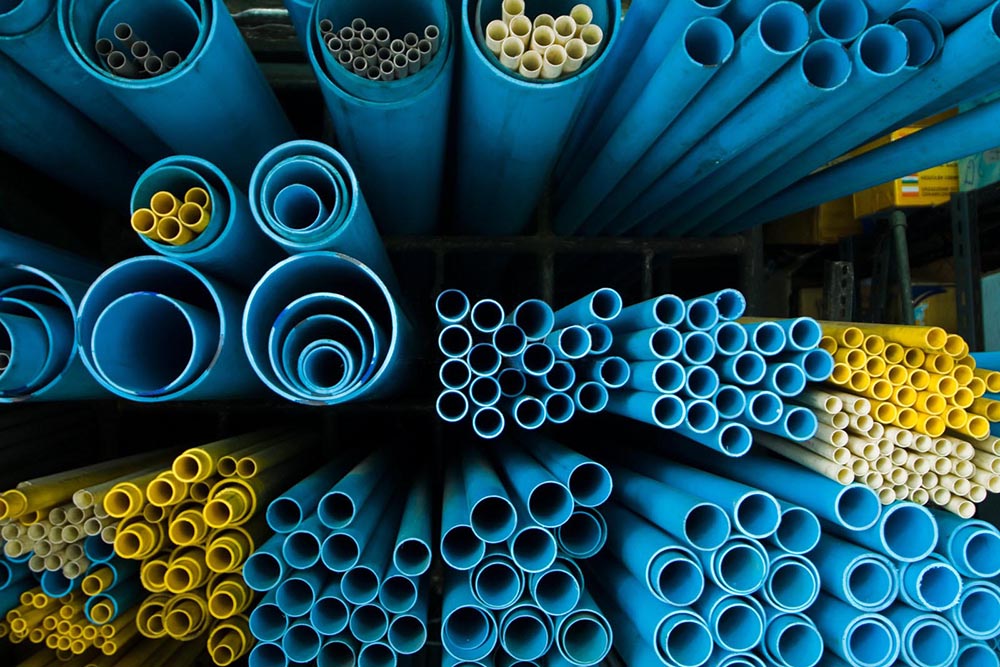
Core UV Resistant Components Compatible With PVC Stabilizer Systems
Not all UV additives are suitable for PVC stabilizer modification. Some universal UV agents have poor compatibility with PVC resin, easy migration, or low temperature resistance, which may affect product molding quality and long-term stability. After practical verification in outdoor PVC production, three types of components are most suitable for integration with compound PVC stabilizers, featuring high compatibility, low volatility, and synergistic stability with heat stabilizers.
First, benzotriazole UV absorbers are the most widely used and mature option for outdoor PVC. Typical models, including UV-P, UV-326, and UV-327, can efficiently absorb the UV-A and UV-B bands, convert harmful light energy into harmless thermal energy, and prevent molecular chain fracture. These components adapt to PVC processing temperatures of 160–200°C, with no decomposition or failure during molding. They have excellent compatibility with both calcium zinc stabilizers and zinc hydrotalcite composite stabilizers, and will not cause blooming or surface precipitation after long-term use.
Second, hindered amine light stabilizers (HALS) serve as auxiliary UV-resistant components. Unlike UV absorbers that merely block light, HALS can capture free radicals generated by UV oxidation, terminate aging chain reactions, and achieve long-term anti-aging effects. They work synergistically with benzotriazole absorbers to form a dual protection system, greatly improving the weather resistance of high-exposure PVC products such as outdoor advertising films and garden fences.
Third, trace phenolic antioxidants can be matched in the stabilizer formula. UV aging is always accompanied by thermal oxidation, and a small amount of antioxidants can inhibit secondary oxidation degradation, further stabilizing the overall performance of PVC stabilizers.
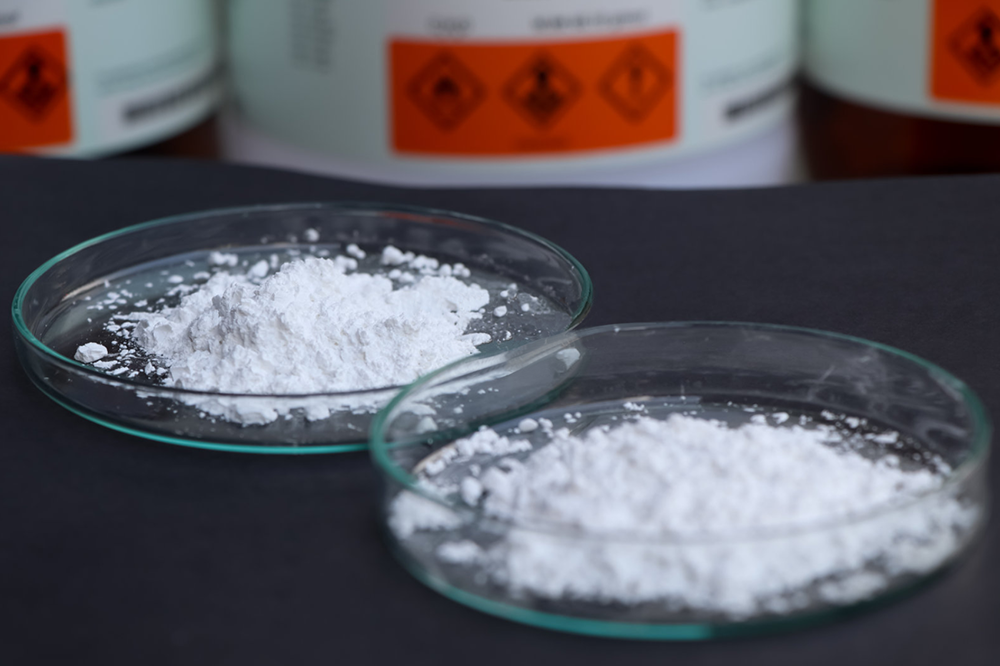
Practical Application Rules for UV Resistant Components in PVC Stabilizers
Many manufacturers fail to achieve ideal weather resistance improvement even after adding UV components, mainly due to incorrect dosage, mismatched combinations, and unreasonable feeding methods. The following practical guidelines are summarized for mass production and formula adjustment, fully adapting to different outdoor PVC scenarios.
For conventional outdoor rigid PVC products such as window profiles, guardrails, and wall panels, the optimal total dosage of UV-resistant components is 0.3–0.5 phr (parts per hundred resin). The recommended ratio is 70% benzotriazole UV absorbers plus 30% low molecular weight HALS. This formula matches conventional calcium zinc composite stabilizers, avoiding formula conflict while balancing cost and performance. After 1000 hours of ASTM G154 accelerated weathering tests, products with this formula show negligible color difference and no surface chalking.
For flexible PVC products, including outdoor tarpaulins, waterproof membranes, and soft decorative strips, the dosage can be appropriately increased to 0.5–0.8 phr. Flexible PVC contains more plasticizers, which are more prone to UV aging and migration. Appropriately increasing the HALS proportion can effectively inhibit plasticizer aging and volatilization, maintaining the flexibility and waterproof performance of soft products.
It is crucial to avoid two common mistakes in actual production. First, do not blindly increase the UV component dosage. Excessive addition will cause component migration, resulting in sticky product surfaces and reduced printing adhesion. Second, do not mix UV components with lead-based stabilizers, as chemical reactions will occur, causing product discoloration and rapid performance attenuation. For modern environmentally friendly production, fully matching non-toxic calcium zinc PVC stabilizers is the safest and most effective choice.
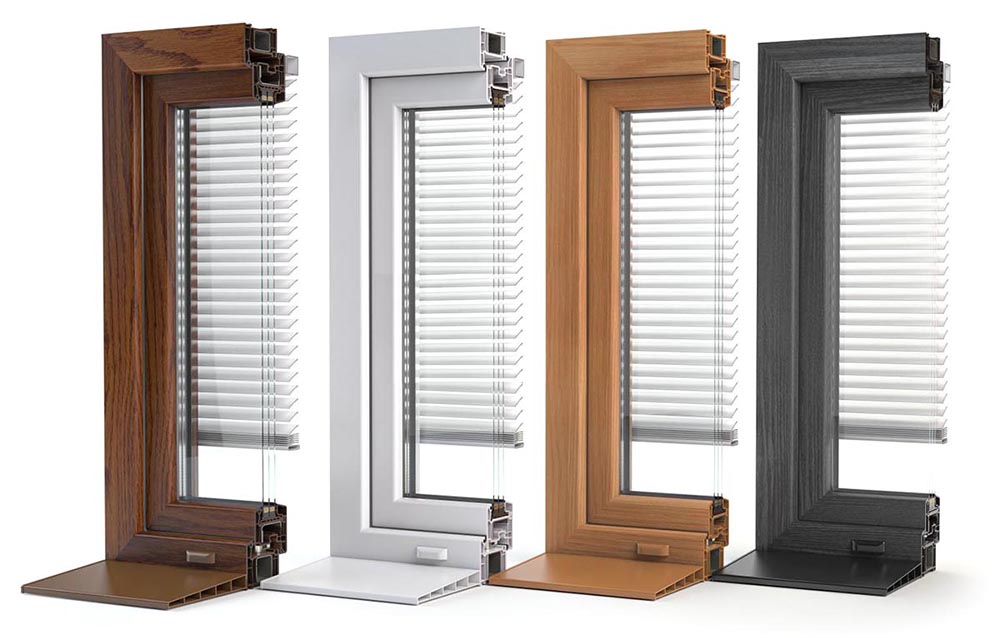
Effective Benefits of Optimized Stabilizer Formulas
Reasonably integrating UV-resistant components into PVC stabilizer systems brings tangible economic and quality benefits for manufacturers. First, product weather resistance is significantly improved, with outdoor service life extended from 2–3 years to 5–8 years, greatly reducing after-sales replacement and maintenance costs. Second, the optimized stabilizer system maintains stable initial color and long-term color retention, avoiding yellowing and fading of white and light-colored PVC products, improving product market competitiveness.
In addition, the composite formula of UV components and PVC stabilizers features low volatility and high temperature resistance, adapting to various regional climates, including high temperatures, high humidity, and strong ultraviolet plateau environments. It fully complies with REACH and RoHS environmental standards, meeting the export requirements of European and American outdoor building materials, and helping enterprises expand overseas markets.
FAQ
Q1: Can UV-resistant components be added directly to finished PVC stabilizers?
A1: Yes, but uniform mixing is required. It is more recommended to complete pre-mixing during stabilizer production to ensure even component distribution. Direct addition during PVC molding may cause local concentration imbalance and inconsistent weather resistance of finished products.
Q2: What is the best cost performance ratio of UV components for ordinary outdoor PVC products?
A2: The combination of benzotriazole UV absorbers and low-dosage HALS with a total dosage of 0.3–0.5 phr is the most cost-effective solution. It avoids the high cost of full HALS formulas and solves the shortcoming of single UV absorbers’ insufficient long-term protection.
Q3: Will adding UV-resistant components affect the processing performance of PVC stabilizers?
A3: High-quality matching UV components have good compatibility with PVC resin and stabilizers, with no impact on melting fluidity, molding efficiency, and product surface smoothness. Unqualified low-purity UV additives may contain impurities that affect processing, so formal high-purity raw materials must be selected.
Q4: Is formula adjustment needed for different types of PVC stabilizers?
A4: Yes. UV components are most compatible with calcium zinc composite stabilizers and zinc hydrotalcite stabilizers. They are not suitable for matching with lead-based stabilizers. For organotin stabilizers, appropriately reducing the UV component dosage can achieve stable matching effects.
The aging failure of outdoor PVC products is mostly caused by incomplete protection of traditional stabilizer systems. By scientifically adding and matching UV-resistant components to PVC stabilizers, and combining targeted dosage adjustment according to rigid and flexible product characteristics, manufacturers can thoroughly solve common problems such as PVC yellowing, chalking, and cracking. Adopting this optimized stabilizer solution is a low-investment, high-return technical upgrade that not only improves product quality and durability but also enhances the core competitiveness of outdoor PVC products in the global market.
Post time: Jun-11-2026