

If you work in the PVC manufacturing sector, especially producing products for medical devices or food packaging, you’ve likely faced a persistent challenge: balancing high performance with strict safety compliance. Traditional stabilizers like lead salts are now banned in most high-end markets due to toxicity concerns. Calcium-zinc stabilizers, while eco-friendly, often struggle with transparency and long-term stability for critical applications. This leaves many manufacturers wondering: What’s the most reliable stabilizer for medical and food-grade PVC products?
The answer lies in organotin PVC stabilizers—the gold standard for high-end applications where safety, clarity, and processability are non-negotiable.
What Makes Organotin PVC Stabilizers Ideal for High-End Fields?
Before diving into applications, let’s clarify why organotin stabilizers outperform alternatives in medical and food packaging. Unlike general-purpose stabilizers, they combine three non-negotiable traits for sensitive end-uses:
1. Unmatched Transparency and Clarity
Organotin stabilizers—especially methyltin mercaptides—deliver crystal-clear PVC products with minimal yellowing during processing. For medical items like IV tubing or food packaging such as cling film, transparency is critical for visual inspection and product presentation. No other stabilizer class can replicate this level of clarity at high processing temperatures.
2. Exceptional Thermal Stability
PVC degrades quickly when heated, releasing hydrochloric acid (HCl) that breaks down polymer chains. Organotin stabilizers neutralize HCl rapidly and prevent chain scission, even during high-speed extrusion or injection molding. This ensures consistent product quality, reduces defects, and extends the lifespan of medical and food contact products.
3. Proven Safety and Low Migration
Top-tier organotin stabilizers (e.g., methyltin, octyltin grades) are FDA and EU REACH-compliant for food contact and medical use. They have extremely low migration rates (≤0.15 mg/kg for total tin) into food or bodily fluids, meeting strict global safety standards. Unlike lead or cadmium-based stabilizers, they pose no risk of toxic leaching over time.
4. Broad Process Compatibility
Organotin stabilizers work seamlessly with all PVC processing methods—calendering, extrusion, blow molding, and injection molding. They don’t require major equipment modifications, making them easy to integrate into existing production lines for medical and food packaging applications.
Current Applications of Organotin PVC Stabilizers in High-End Fields
• Medical PVC Products
The medical sector is the most demanding market for PVC stabilizers, with zero tolerance for safety risks. Organotin stabilizers dominate this space, with 92% of domestic medical PVC products across the industry adopting tin-based stabilizers in 2024. Key applications include:
- IV Infusion Bags and Tubing: Flexible PVC for blood bags and IV sets requires biocompatibility and resistance to sterilization (autoclaving, gamma radiation). Methyltin mercaptides prevent degradation and ensure no harmful additives leach into medications or blood.
- Medical Catheters: Transparent, kink-resistant catheters rely on organotin stabilizers to maintain clarity and flexibility during insertion and use.
- Pharmaceutical Blister Packs: Rigid PVC blister packs for tablets and capsules need high barrier properties and chemical inertness. Octyltin maleates are widely used here for their light stability and compliance with European Pharmacopoeia standards.
• Food Packaging PVC Products
Food contact applications require strict adherence to migration limits and food safety regulations. Organotin stabilizers hold a 35% market share in transparent food packaging PVC, with key uses including:
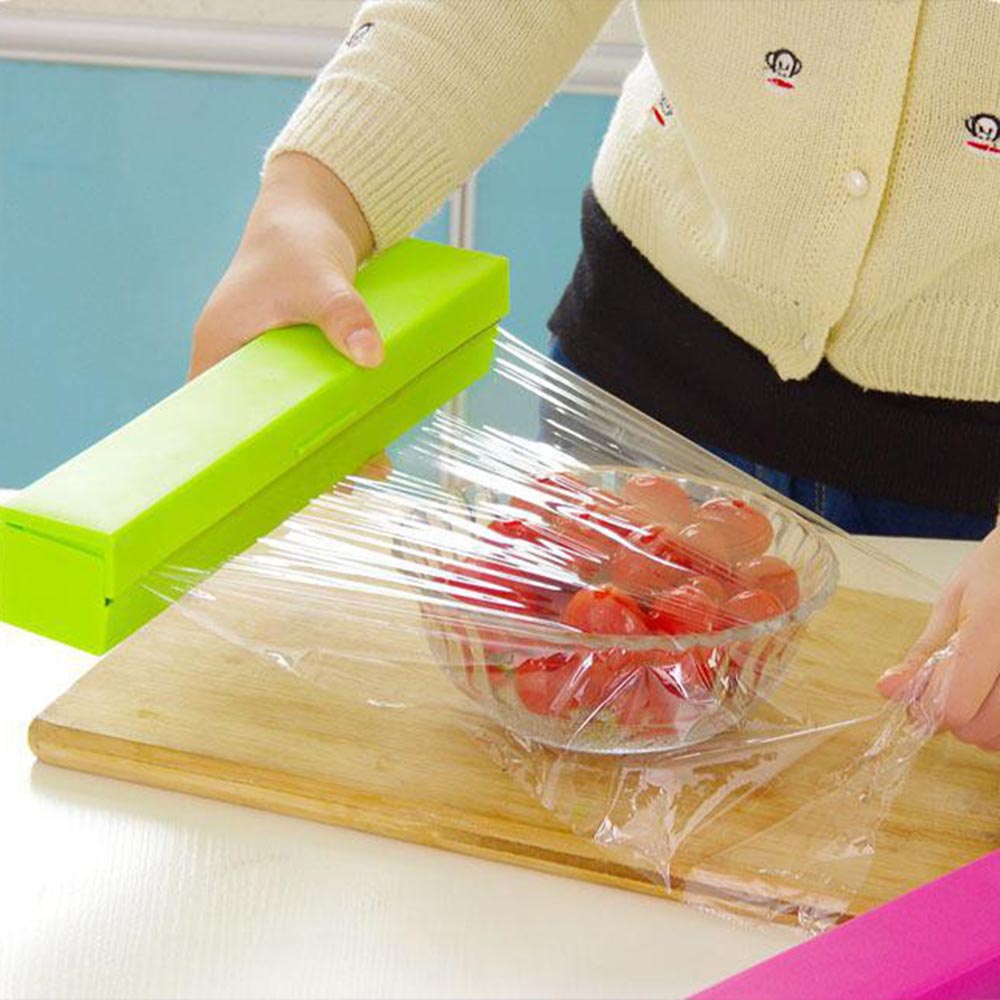
- Cling Films and Food Wraps: Flexible PVC cling films for meat, cheese, and confectionery use dimethyltin dineodecanoate—an FDA-approved grade with migration rates well below 0.15 mg/kg.
- Beverage and Food Containers: Transparent PVC bottles, jars, and container liners for water, oil, and sauces rely on organotin stabilizers for clarity and resistance to food acids.
- Sausage Casings and Frozen Food Packaging: Flexible PVC casings for processed meats and frozen food trays use food-grade organotin stabilizers to prevent flavor transfer and ensure long-term safety.
Critical Compliance Requirements for Organotin Stabilizers in High-End Applications
One of the biggest pain points for manufacturers is navigating the complex web of global regulations for medical and food contact PVC. Non-compliance leads to rejected shipments, legal penalties, and reputational damage. Below are the non-negotiable compliance standards you must meet:
• Global Regulatory Framework
|
Region |
Key Regulations |
Core Requirements |
|
United States |
FDA 21 CFR 178.2010 |
Total tin migration ≤0.15 mg/kg; approved for food contact and medical devices |
|
European Union |
REACH Annex XVII, EU 10/2011 |
Ban on lead/cadmium stabilizers; tin migration ≤0.15 mg/kg; compliance with food contact safety |
|
China |
GB 4806.6-2023, GB 9685 |
Prohibition of heavy metal stabilizers; strict migration limits for food contact PVC |
• Key Compliance Checks for Manufacturers
- Certification Verification: Only use organotin stabilizers with FDA, BGA, and REACH certifications. Avoid uncertified low-cost grades—they often contain impurities that cause migration failures.
- Migration Testing: Conduct regular third-party testing for total tin migration using food simulants (e.g., olive oil for fatty foods, water for aqueous foods).
- Batch Traceability: Maintain detailed records of stabilizer batches, production dates, and test results. This is critical for recalls and regulatory audits.
Common Pain Points and Practical Solutions
Pain Point 1: High Cost Compared to Calcium-Zinc Stabilizers
Organotin stabilizers cost 20–30% more than calcium-zinc alternatives, squeezing profit margins for manufacturers.
Solution:
• Optimize dosage: Work with your stabilizer supplier to find the minimum effective concentration (typically 1.5–2.5 phr for medical/food grades).
• Focus on high-margin products: Reserve organotin stabilizers for premium medical and food packaging lines where customers pay a premium for safety and quality.
Pain Point 2: Compatibility Issues with Certain Additives
Organotin stabilizers can react with lead-based additives or some plasticizers, causing discoloration or reduced stability.
Solution:
• Use additive systems designed for organotin stabilizers: Pair with FDA-approved plasticizers (e.g., DOTP) and avoid lead/cadmium-based co-stabilizers.
• Conduct small-scale trials: Test new additive combinations before full production to avoid costly batch failures.
Pain Point 3: Limited Supplier Options for High-Purity Grades
Not all organotin suppliers offer medical/food-grade products. Many low-cost suppliers provide industrial grades with high impurity levels that fail compliance tests.
Solution:
• Partner with reputable suppliers: Choose manufacturers with a track record of producing FDA/REACH-compliant organotin stabilizers (e.g., methyltin mercaptide ST-181).
• Audit suppliers regularly: Verify their production processes, quality control measures, and certification validity to ensure consistent product quality.
Future Development Space and Technological Upgrades
The demand for organotin PVC stabilizers in medical and food packaging is set to grow significantly in the coming years. The global market for high-end PVC stabilizers is projected to expand at a 9–12% CAGR from 2025 to 2030, driven by stricter environmental regulations and rising demand for safe packaging. Here are the key trends shaping the future:
1. Ultra-Low Migration Grades
Regulatory bodies are tightening migration limits further. The next generation of organotin stabilizers will feature ultra-low tin migration (≤0.1 ppm) and higher purity, meeting the most stringent medical and food safety standards.
2. Hybrid Stabilizer Systems
To balance performance and cost, manufacturers are developing organotin-calcium-zinc hybrid systems. These blends retain organotin’s clarity and safety while reducing overall costs by 10–15%.
With growing global focus on sustainable production and low-emission manufacturing, suppliers are developing low-VOC organotin stabilizers with reduced environmental impact. These formulations comply with EU REACH requirements and global carbon reduction targets without sacrificing product stability, transparency, or safety performance.
With growing focus on sustainability, suppliers are developing low-VOC organotin stabilizers with reduced environmental impact. These formulations meet EU REACH and China’s “Double Carbon” goals without compromising performance.
4. Expanded Applications in Emerging Markets
As healthcare and food safety standards improve in Asia-Pacific, Latin America, and the Middle East, demand for organotin-stabilized PVC products will surge. China’s export of organotin stabilizers grew by 18.7% in 2024, reflecting this global trend.
Based on the application characteristics, compliance rules and technical development trends of PVC stabilizers in high-end fields, manufacturers can adopt targeted and practical optimization strategies to maximize the value of organotin stabilizers in medical and food packaging production.
• Prioritize Compliance Above All: Never compromise on FDA, REACH, or GB certification standards. For high-end PVC products contacting food and human bodies, non-compliance will lead to product rejection, market penalties and brand damage, which are far more costly than the investment in qualified high-end stabilizers.
• Collaborate with Expert Suppliers: Partner with professional suppliers who have rich experience in high-end PVC stabilizer production. Reliable suppliers can provide targeted organotin grade selection, precise dosage guidance and professional technical support to help you avoid additive compatibility failures and production quality risks.
• Invest in Quality Control: Build a complete internal quality inspection system to regularly test product transparency, thermal stability and additive migration indicators. Cooperating with authoritative third-party institutions for regular compliance audits can ensure long-term and stable qualification of products for global high-end markets.
• Plan for the Future: Keep track of global regulatory updates and industry technological iteration trends. Proactively trying ultra-low migration and low-carbon sustainable organotin formulations can help enterprises maintain long-term competitive advantages in the high-end PVC packaging and medical material market.
Organotin PVC stabilizers are irreplaceable for medical and food packaging applications, offering a unique balance of safety, clarity, and performance that no other stabilizer class can match. While they come with challenges like higher costs and compliance complexity, the benefits—access to high-margin markets, regulatory compliance, and customer trust—far outweigh the drawbacks.
By mastering the core application scenarios of PVC stabilizers in high-end fields, strictly implementing global compliance standards, solving common production pain points with targeted solutions, and keeping pace with cutting-edge technological trends, manufacturers can fully leverage the advantages of organotin stabilizers to optimize product quality, expand high-end market share, and build core competitiveness in the premium PVC manufacturing industry.
Post time: May-21-2026