

If you’re a PVC manufacturer transitioning to medical or food-grade production, you’ve likely hit a wall with stabilizers. For decades, lead-based and heavy metal stabilizers were the go-to for their cost-effectiveness and thermal performance—but they’re a non-starter for products that touch bodily fluids, pharmaceuticals, or food. The shift to non-toxic PVC stabilizer isn’t just a regulatory box-ticking exercise; it’s a balancing act between safety, processability, and profitability. In this guide, I’ll break down what you need to know to navigate this transition smoothly, address the most common pain points, and explain why calcium-zinc (Ca/Zn) stabilizers have become the gold standard for PVC medical applications and food-contact products.
Why Traditional Stabilizers Fail for Medical and Food-Grade PVC
Let’s start with the basics: PVC is inherently unstable when exposed to heat, light, or chemicals. Without stabilizers, it degrades quickly, releasing hydrochloric acid (HCl) and turning brittle or discolored. Traditional stabilizers—lead, cadmium, or barium-based—stop this degradation effectively, but they come with fatal flaws for sensitive applications.
Lead-based stabilizers, for example, leach heavy metals over time. For a medical tube carrying IV fluids or a food container holding edible oils, this leaching poses severe health risks, from acute toxicity to long-term organ damage. Regulatory bodies worldwide—including the FDA, EMA, and China’s GB standards—have banned or strictly limited heavy metal stabilizers in these sectors. Even if you could bypass regulations (which you can’t), consumer demand for safe products has made heavy metal stabilizers a reputational liability.
Organotin stabilizers, once a popular alternative for clear products like medical bags, have also fallen out of favor. While they offer excellent clarity and thermal stability, some organotin compounds are classified as endocrine disruptors, and their use in food and medical applications is restricted under REACH and FDA guidelines. This leaves manufacturers with one reliable path: non-toxic PVC stabilizers that meet biocompatibility, purity, and performance requirements.
The Non Toxic PVC Stabilizer Landscape: Calcium-Zinc Takes the Lead
Non-toxic PVC stabilizers encompass a range of formulations, but calcium-zinc (Ca/Zn) systems dominate the medical and food-grade markets. Unlike heavy metal or organotin alternatives, Ca/Zn stabilizers are formulated from natural, non-toxic ingredients—primarily calcium stearate, zinc stearate, and co-stabilizers like polyols, epoxides, or β-diketones. They work by neutralizing HCl released during PVC degradation and forming stable complexes that prevent chain scission, all without leaching harmful substances.
Below is a comparison of common stabilizer types, highlighting why Ca/Zn is the best fit for sensitive PVC applications:
|
Stabilizer Type |
Toxicity Profile |
Suitability for Medical/Food-Grade |
Key Advantages |
Critical Drawbacks |
| Lead-Based | Highly toxic (heavy metal leaching) | Not suitable (banned in most regions) | Low cost, broad processing window | Regulatory bans, health risks, poor sustainability |
| Organotin | Low to moderate toxicity (endocrine disruptors) | Restricted (limited applications) | Excellent clarity, strong thermal stability | Regulatory scrutiny, high cost, environmental concerns |
| Calcium-Zinc (Ca/Zn) | Non-toxic (heavy metal-free, biocompatible) | Ideal (meets USP Class VI, ISO 10993) | Regulatory compliance, versatile, cost-effective | Narrower processing window, potential zinc burn |
Addressing PVC Manufacturers‘ Top Pain Points with Ca/Zn Stabilizers
I’ve worked with dozens of PVC manufacturers making the switch to Ca/Zn stabilizers, and the same concerns come up time and again. Let’s tackle each one head-on with practical solutions.
• Products Are Discoloring—How Do I Fix This?
Discoloration (yellowing or browning) is the most common issue with Ca/Zn stabilizers, often caused by “zinc burn”—a reaction where zinc chloride (formed during HCl neutralization) accelerates PVC degradation. Unlike lead stabilizers, which have a broad tolerance for processing temperature fluctuations, Ca/Zn systems are more sensitive to overheating or prolonged residence times.
Solution: Optimize your formulation and processing parameters. First, add co-stabilizers like polyols or epoxides—they form stable complexes with zinc chloride, preventing zinc burn. Second, adjust your processing temperature: aim for a 5–10°C lower melt temperature than you used with lead stabilizers. Finally, reduce residence time in the extruder or injection molding machine—faster throughput minimizes heat exposure. For transparent products like medical IV tubing, choose a Ca/Zn one-pack system formulated for clarity, which includes tailored co-stabilizers to maintain whiteness.
• Stabilizer Is Leaching Out—Will This Fail Compliance?
Leaching (blooming) occurs when stabilizer components migrate to the PVC surface, creating a sticky residue. This is a major concern for medical devices and food packaging, as leached additives can contaminate fluids or food. Blooming is often caused by using low-quality lubricants or incorrect stabilizer loading.
Solution: Pair Ca/Zn stabilizers with high-melting, low-volatility lubricants (e.g., ester-based lubricants) . These lubricants form a stable matrix with the stabilizer, reducing migration. Avoid paraffinic waxes—they’re prone to blooming. Also, stick to the recommended stabilizer loading (typically 2–4 phr for medical grades). Overloading doesn’t improve stability; it just increases leaching risk. Always test finished products for leachables per USP Class VI or FDA 21 CFR 177 standards to ensure compliance.
Pain Point 3: “My Production Costs Are Spiking—Can I Cut Expenses Without Sacrificing Quality?“
Ca/Zn stabilizers are slightly more expensive per kilogram than lead-based options, but the total cost difference is often overstated. Many manufacturers overlook the cost-saving benefits of Ca/Zn systems.
Solution: Leverage the lower density of Ca/Zn stabilizers (about 40% less dense than lead stabilizers) . This reduces the overall weight of your PVC formulation—on average, you’ll see a 2% drop in product weight per meter, cutting resin costs. Additionally, Ca/Zn stabilizers are compatible with higher loads of calcium carbonate (a cheap filler), further lowering material costs. Finally, choose a one-pack Ca/Zn system instead of blending individual components—this reduces labor costs and ensures formulation consistency, minimizing waste from defective products.
• How Do I Ensure Compliance for Global Markets?
Medical and food-grade PVC must meet regional regulations, which can vary widely. A product compliant in the U.S. (FDA) might not pass EU (REACH, EMA) or Asian (GB, JPAL) standards, creating logistical headaches for global manufacturers.
Solution: Choose Ca/Zn stabilizers with global certification. Look for products that meet USP Class VI (biocompatibility for medical devices), ISO 10993 (biological evaluation), and FDA 21 CFR 177.1520 (food-contact PVC). Reputable suppliers will provide a Certificate of Analysis (CoA) and regulatory dossiers to support your compliance efforts . Avoid generic stabilizers—opting for a specialized medical-grade formulation (like those designed for blood bags or surgical tubing) ensures you meet the strictest purity requirements, including low heavy metal limits (below 10 ppm for lead/cadmium).
The Role of Non Toxic PVC Stabilizers in PVC Medical Applications
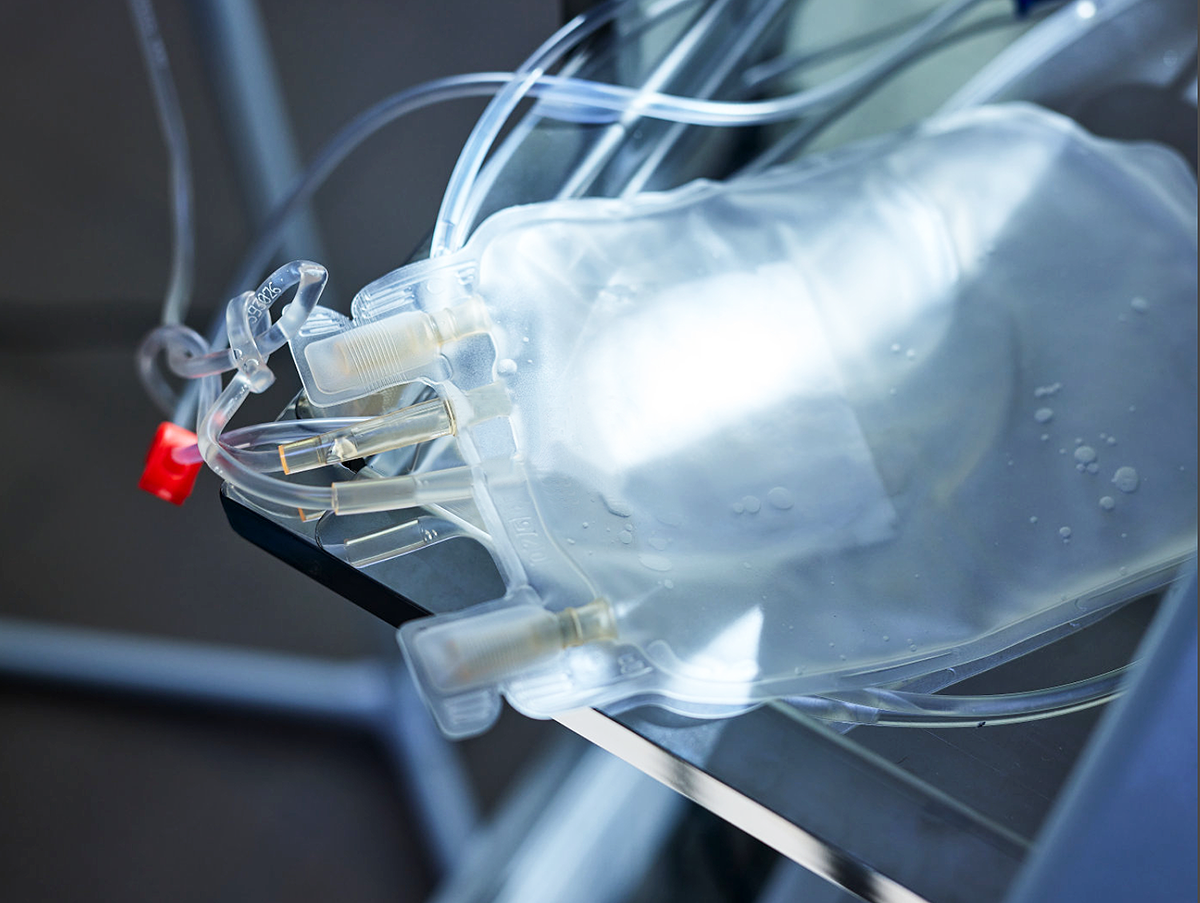
PVC is the workhorse of the medical industry, used in everything from IV bags and catheters to breathing tubes and surgical drapes. Its flexibility, chemical resistance, and cost-effectiveness make it irreplaceable—but only if paired with the right stabilizer. Non-toxic PVC stabilizers are critical here for two reasons: biocompatibility and sterilization resistance.
Medical devices often undergo heat sterilization (autoclaving) or chemical sterilization (ethylene oxide). Ca/Zn stabilizers maintain PVC’s structural integrity under these conditions, preventing degradation that could lead to device failure . For example, IV bags sterilized at 121°C need a stabilizer that can withstand high temperatures without leaching—Ca/Zn systems with epoxide co-stabilizers excel here, as they enhance thermal stability and chemical resistance.
Another key consideration for PVC medical applications is clarity. Doctors and nurses need to see fluid levels or blood flow, so transparent PVC is essential. High-quality Ca/Zn stabilizers (like those with β-diketone co-stabilizers) preserve clarity while preventing discoloration, outperforming organotin alternatives in long-term stability .
Your Most Pressing Questions About Non Toxic PVC Stabilizers
Q: Can I switch directly from lead-based stabilizers to Ca/Zn without modifying my equipment?
A: Yes, but you’ll need to flush your system thoroughly to avoid cross-contamination (lead residues can cause toxicity issues). Unlike organotin stabilizers, Ca/Zn doesn’t react with lead, so the switch is lower-cost . You will, however, need to adjust temperature and throughput parameters—work with your stabilizer supplier to fine-tune these settings.
Q: Are Ca/Zn stabilizers suitable for rigid food-grade PVC (e.g., food containers) or only flexible products?
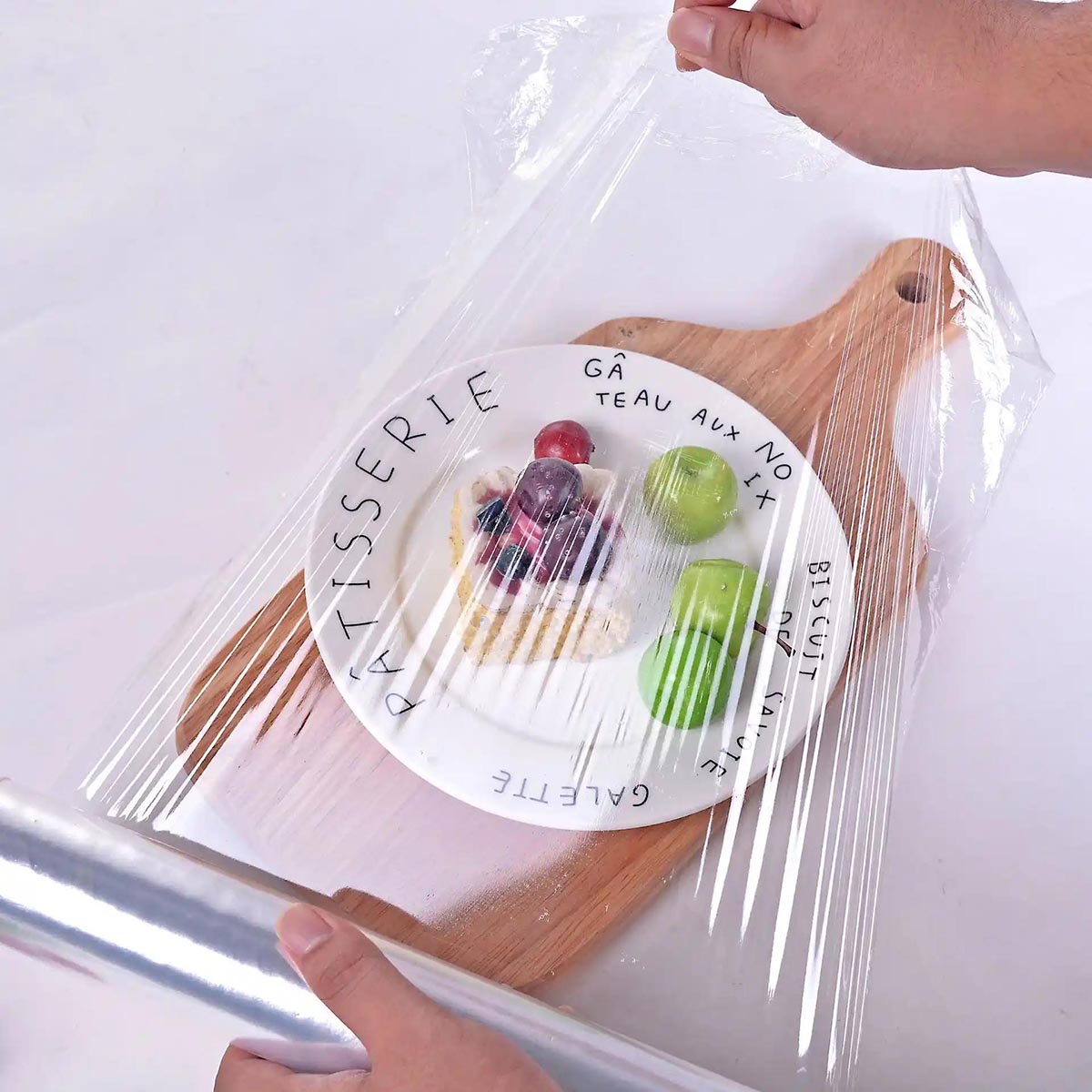
A: Ca/Zn stabilizers work for both rigid and flexible PVC. For rigid applications (like food storage containers), choose a non-dusting Ca/Zn formulation that offers excellent lubrication and heat stability. For flexible products (like food wrapping films), opt for a liquid Ca/Zn system to improve processability and flexibility.
Q: How do I test if my non-toxic PVC stabilizer is working effectively?
A: Conduct two key tests: thermal aging (expose samples to 100–120°C for 72 hours and check for discoloration) and leachability (per USP Class VI or FDA methods). You should also test mechanical properties (tensile strength, elongation) before and after sterilization to ensure stability. Most stabilizer suppliers offer in-house testing support.
Q: Will using Ca/Zn stabilizers affect my product’s shelf life?
A: No—when formulated correctly, Ca/Zn stabilizers improve long-term stability. They resist UV degradation and chemical exposure, extending shelf life for both medical and food-grade products. The key is choosing the right co-stabilizers: epoxides and polyols enhance long-term thermal stability, while antioxidants prevent oxidative degradation.
Making the switch to non-toxic PVC stabilizers is a journey that requires collaboration and attention to detail. It’s not just about swapping one ingredient for another—it’s about aligning your production process with the safety and regulatory demands of medical and food-grade markets.
That means prioritizing formulations that balance performance and safety, fine-tuning your equipment to work with Ca/Zn systems, and leaning on suppliers who can provide the regulatory support and technical guidance you need. Cutting corners with generic stabilizers might save money in the short term, but it risks compliance issues, product defects, and damage to your brand’s reputation—costs that far outweigh any initial savings.
For manufacturers committed to quality, the right non-toxic PVC stabilizer isn’t just a component—it’s a foundation for building trust with customers and expanding into high-value markets. By focusing on formulation precision, regulatory compliance, and continuous process improvement, you can navigate the transition smoothly and create products that meet the highest safety standards without compromising on performance or profitability.
Post time: Feb-11-2026