

If you’re a global PVC stabilizer supplier eyeing long-term growth, the Russia market and wider CIS region shouldn’t be overlooked—this once niche trade space has transformed into a high-potential, competitive landscape that calls for targeted industry know-how, strict regulatory adherence, and tailored product solutions. As global supply chain snags ease and regional industrial rebound picks up steam, demand for dependable, high-performance PVC stabilizers stays strong across core sectors: construction, infrastructure development, automotive manufacturing, and consumer goods production. Yet winning over buyers here takes far more than competitive pricing; it demands a thorough grasp of shifting regional regulations, climate-specific performance demands, unique logistics hurdles, and local buyer preferences that distinguish the Russia and CIS market from Western European, Southeast Asian, or North American markets.
As a trusted PVC Stabilizer Supplier with deep roots serving Eurasian markets, we’ve spent years fine-tuning our product lines and operational tactics to align with real-time Russia market trends and buyer needs. In this blog, we break down actionable insights, practical tips, and must-know considerations for both suppliers and PVC processors alike, covering product selection, regulatory compliance, logistics management, and long-term partnership building to help you unlock consistent, sustainable success in this one-of-a-kind regional market.
Russia & CIS PVC Stabilizer Market: Current Demand Landscape & Core Drivers
The PVC stabilizer market in Russia and CIS is shaped by two dominant forces: massive infrastructure and construction demand, and a gradual shift toward eco-friendly, high-performance additives that align with both regional regulations and global sustainability trends. Post-pandemic industrial rebound, coupled with Russia’s “Look East” trade strategy and infrastructure modernization projects, has boosted import demand for quality PVC stabilizers, even amid short-term trade volatility.
Rigid PVC applications—including water pipes, sewage systems, window profiles, outdoor siding, and cable insulation—account for nearly 70% of stabilizer demand in the region. These products face extreme climatic conditions, from frigid sub-zero winters (temperatures plummeting to -30°C and below in northern Russia and CIS nations) to intense summer heat, making thermal stability, low-temperature toughness, and weather resistance non-negotiable performance metrics. Flexible PVC applications (flooring, hoses, packaging, and automotive components) follow, requiring stabilizers that balance flexibility, durability, and compliance with low-toxicity standards.
A notable market shift in 2026 is the declining reliance on lead-based stabilizers, driven by tighter Eurasian Economic Union (EEU) environmental norms and buyer demand for safer, export-compliant products. While lead stabilizers still hold a small share in low-cost, non-critical applications, calcium-zinc (Ca-Zn) stabilizers, organotin stabilizers, and mixed-metal composite stabilizers have emerged as the top choices for mainstream and high-end PVC production. This transition creates a clear gap for a PVC Stabilizer Supplier that can deliver tailored, regulatory-compliant formulations without compromising on cost-efficiency—a gap that forward-thinking suppliers are uniquely positioned to fill.
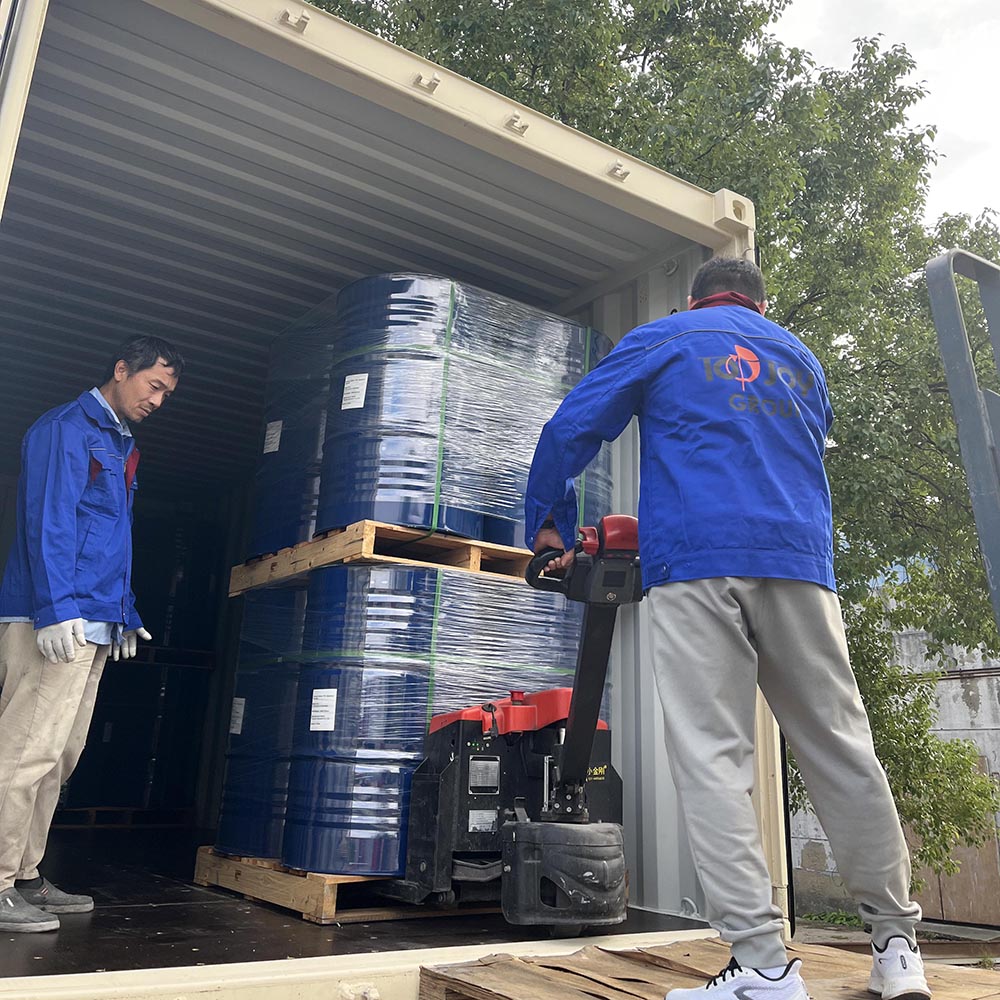
Matching Stabilizers to Russia & CIS Application Needs
One of the biggest mistakes suppliers make in the Russia market is adopting a “one-size-fits-all” product approach. Regional PVC processors need stabilizers engineered to withstand extreme weather, comply with EEU standards, and perform reliably in local manufacturing processes. Below is a detailed comparison of the most in-demand PVC stabilizer types, tailored to regional applications and performance requirements:
|
Stabilizer Type |
Core Advantages for Russia & CIS |
Ideal Applications |
Key Compliance & Performance Notes |
|
Calcium-Zinc (Ca-Zn) Composite Stabilizers |
Non-toxic, eco-friendly, excellent low-temperature toughness, weather resistance, cost-effective, compatible with local PVC resin grades; resists “zinc burn” and maintains flexibility in sub-zero conditions |
Rigid PVC pipes, window profiles, outdoor construction materials, food-contact packaging, residential plumbing |
Fully EEU REACH compliant; preferred for green construction projects; optimize Ca-Zn ratio for cold-climate impact resistance |
|
Organotin Stabilizers |
Superior thermal stability, high clarity, long-term durability, perfect for high-temperature extrusion; minimal discoloration under extreme heat and UV exposure |
High-grade transparent PVC profiles, industrial cables, water treatment pipes, automotive PVC components |
Ideal for critical infrastructure projects; ensure purity to meet EEU chemical safety standards; higher cost but justified for long-life applications |
|
Mixed-Metal Stabilizers (Ba-Zn / Ca-Zn Blends) |
Balanced performance, cost-efficiency, enhanced processing fluidity, extended service life in harsh outdoor environments |
PVC flooring, hoses, agricultural films, non-food contact consumer goods |
Versatile for mid-tier applications; verify heavy metal limits per EEU regulations; suitable for large-volume, budget-conscious orders |
|
Lead-Based Stabilizers (Legacy Grade) |
Ultra-low cost, high initial stability |
Low-cost, non-critical industrial components (no food contact, no residential use) |
Facing regulatory phase-out; restricted in many CIS regions; avoid for long-term market sustainability |
For any PVC Stabilizer Supplier targeting the Russia market, prioritizing Ca-Zn and organotin stabilizer formulations is non-negotiable for long-term growth. Buyers in the region actively avoid over-reliance on lead-based products, not only for compliance but also to protect their brand reputation and access cross-border CIS trade opportunities. Additionally, custom formulation tweaks—such as adding anti-UV agents or cold-resistant co-stabilizers—can set your product lineup apart from generic competitors.
Mastering Russia & CIS Regulatory Requirements
Regulatory compliance is the make-or-break factor for supplying PVC stabilizers to Russia and CIS, especially following the 2026 EEU and Russian customs reforms that tightened import oversight, cracked down on grey customs clearance, and mandated stricter product certification. Cutting corners on compliance will result in seized shipments, delayed deliveries, financial penalties, and permanent damage to your market reputation.
The cornerstone of compliance for the Russia market is the EAC Certification (Eurasian Conformity), mandatory for all chemical additives imported into the EEU (Russia, Belarus, Kazakhstan, Armenia, Kyrgyzstan). As of 2026, Russian customs mandates full digital verification of EAC certificates, with strict checks on test report authenticity, product labeling, and chemical composition. Key compliance steps for PVC stabilizer suppliers include:
• Secure Valid EAC Certification: Partner with accredited EEU testing labs to complete full chemical analysis, safety assessments, and performance testing for your stabilizer products. Avoid third-party “quick certification” services—2026 reforms have increased audits of certificate validity, and fake or incomplete certifications will lead to immediate shipment detention.
• Accurate Product Labeling & Documentation: Labeling must include product name, chemical composition, batch number, production date, shelf life, storage conditions, and EAC certificate number in both Russian and English. All commercial invoices, packing lists, and bills of lading must match certification data perfectly to avoid customs delays.
• Adhere to Chemical Restriction Limits: Comply with EEU REACH regulations on heavy metals, volatile organic compounds (VOCs), and hazardous substances. Ensure lead, cadmium, and other restricted elements are below mandated thresholds, even for low-cost stabilizer grades.
• Engage Licensed Local Customs Brokers: Russian law requires foreign suppliers to use local licensed customs brokers for import clearance. Partner with brokers experienced in chemical additives to navigate tariff codes (HS codes for PVC stabilizers fall under 3812 and 4009 categories) and 2026 tariff adjustments that impact import costs.
As a reliable PVC Stabilizer Supplier, we prioritize full compliance transparency, providing clients with complete EAC documentation, test reports, and customs support to streamline clearance. This not only avoids costly disruptions but also builds trust with regional buyers who value hassle-free, compliant supply chains.
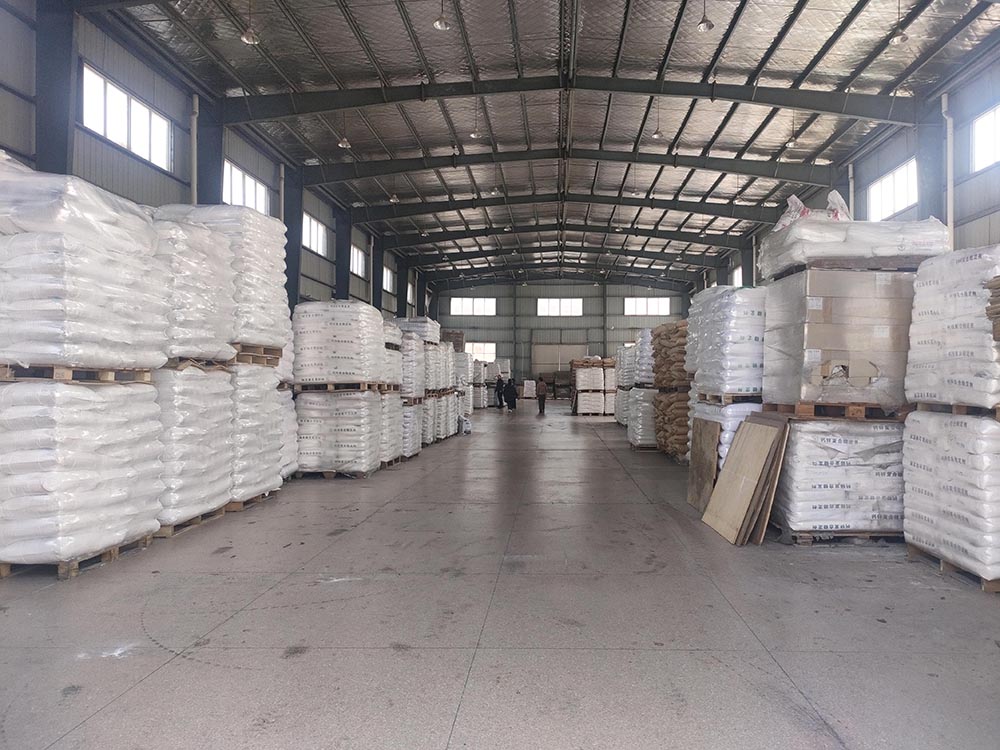
Logistics & Supply Chain Tips for Russia & CIS Market Success
Logistics challenges have long plagued trade with Russia and CIS, but 2026 infrastructure upgrades and streamlined border procedures have improved efficiency—provided suppliers follow strategic best practices. The Russia market demands reliable, timely deliveries, as PVC processors operate on tight production schedules and cannot afford stockouts of critical additives.
Top logistics considerations for PVC stabilizer shipments:
• Choose Optimal Transportation Routes: For bulk stabilizer shipments, rail transport via Manzhouli, Suifenhe, and Heihe border crossings is the most cost-effective and reliable option, with shorter transit times than sea freight. For smaller LCL shipments, sea freight to St. Petersburg, Vladivostok, or Novorossiysk ports works, but factor in extended customs processing times. Avoid overland routes through Western Europe due to trade restrictions and higher costs.
• Packaging for Extreme Climates: PVC stabilizers (especially powder formulations) are sensitive to moisture and temperature fluctuations. Use moisture-proof, sealed packaging with pallets reinforced for cold-weather transport. Label packages with clear storage instructions (e.g., “Store in dry, cool environment; avoid sub-zero freezing”) to prevent product degradation during transit and warehousing.
• Plan Lead Times Wisely: Account for extended customs clearance (7-14 days for standard shipments, longer during peak seasons) and winter weather disruptions. Advise buyers to place orders 30-45 days in advance to avoid production halts, particularly during Q4 and Q1 when winter weather impacts transport.
• Opt for White Customs Clearance: Avoid grey clearance schemes at all costs—2026 Russian reforms have increased penalties for undeclared or underreported goods, risking shipment seizure and legal action. Transparent, white clearance ensures long-term supply chain stability and protects your brand integrity.
Building Long-Term Success as a PVC Stabilizer Supplier in Russia & CIS
Beyond product quality and compliance, building lasting partnerships is key to thriving in the Russia market. Regional PVC buyers value consistency, technical support, and responsive service over one-time low-price deals. Here’s how to differentiate your brand and secure loyal clients:
• Offer Custom Formulation Support: Provide tailored stabilizer blends to match buyers’ specific PVC resin types, processing equipment, and end-use applications. For example, optimize Ca-Zn stabilizers for northern CIS regions with harsher winters, or create low-VOC formulations for eco-conscious construction clients.
• Provide Local Technical Assistance: Partner with local technical representatives to offer on-site processing support, troubleshooting, and product training. Many Russian PVC processors lack access to specialized additive expertise, and hands-on support will set your supplier business apart.
• Maintain Consistent Quality & Pricing: Avoid frequent price fluctuations and quality inconsistencies. Regional buyers prioritize stable supply chains, and reliable delivery of consistent product quality will earn you repeat business and referrals across CIS markets.
• Stay Ahead of Market Trends: Monitor evolving EEU regulations, sustainability mandates, and infrastructure project pipelines to adapt your product lineup proactively. As the Russia market shifts further toward green chemicals, suppliers with eco-friendly stabilizer solutions will capture a larger market share.
The Russia market and CIS region present immense, underutilized opportunities for PVC Stabilizer Supplier businesses willing to invest in compliance, product customization, and customer-centric service. While the market has its unique challenges—strict regulations, climatic extremes, and logistics nuances—these barriers also filter out uncommitted competitors, leaving room for dedicated suppliers to establish dominant, long-term positions.
Success in this region boils down to three core pillars: regulatory compliance, climate-adapted product performance, and reliable supply chain execution. By prioritizing these pillars and building genuine partnerships with regional PVC processors, your business can turn Russia and CIS into a steady, profitable cornerstone of your global export strategy.
Post time: Mar-27-2026