

If you work in PVC product manufacturing, plastic additive production, or raw material procurement, you’ve almost certainly faced frustrating quality issues with PVC stabilizers. Maybe you’ve dealt with batches that cause premature yellowing of PVC profiles, inconsistent thermal stability during extrusion, or finished products that fail durability tests after short-term use. These problems don’t just hurt your product reputation—they lead to wasted materials, production delays, increased costs, and lost customer trust. The root cause often isn’t poor formulation alone, but a lack of strict, systematic PVC Stabilizer Quality control throughout the entire production process.
PVC stabilizers are the unsung heroes of the PVC industry. They prevent thermal degradation, extend service life, and maintain the physical and aesthetic properties of PVC products ranging from pipes and fittings to window profiles, flooring, and packaging films. Whether you rely on PVC heat stabilizers for high-temperature processing, calcium zinc PVC stabilizers for eco-friendly applications, or custom PVC stabilizer formulation for specialized products, consistent quality is non-negotiable. In this blog, we’ll break down practical, actionable quality control strategies for PVC stabilizer production, address common pain points, and help you deliver stable, reliable stabilizers every single time.
Core Challenges in PVC Stabilizer Production That Undermine Quality
Before diving into solutions, it’s critical to identify the most prevalent quality hurdles in PVC stabilizer manufacturing. These issues are widespread across both small-scale workshops and large production facilities, and they directly impact PVC Stabilizer Quality and end-product performance.
1. Inconsistent Raw Material Quality
Raw materials are the foundation of high-quality PVC stabilizers, yet this is where many manufacturers cut corners or overlook critical checks. Variations in the purity of metal salts, organic additives, lubricants, and co-stabilizers can throw off entire batches. For example, impure calcium carbonate or zinc stearate can reduce the thermal stability of calcium zinc PVC stabilizers, while contaminated organic tin compounds can cause discoloration in clear PVC products. Even minor fluctuations in moisture content or particle size can disrupt mixing uniformity, leading to uneven performance in final stabilizer products.
2. Poor Process Control During Manufacturing
PVC stabilizer production involves precise mixing, heating, cooling, and granulation steps, and even small deviations in process parameters can ruin quality. Inaccurate temperature control during blending can cause raw material decomposition, while inconsistent mixing speed or time leads to non-homogeneous stabilizer mixtures. Inadequate grinding or granulation results in irregular particle sizes, which affect dispersion in PVC melts during processing. Many manufacturers rely on manual operation rather than automated monitoring, making it nearly impossible to maintain repeatable process conditions batch after batch.
3. Inadequate Testing and Inspection Protocols
Far too many PVC stabilizer producers only conduct basic visual inspections or skip lab testing entirely before shipping products. Without rigorous testing for thermal stability, compatibility with PVC resins, aging resistance, and chemical composition, defective stabilizers slip through the cracks. Standard tests like the Congo red test, static thermal aging test, and dynamic rheology test are essential to validate PVC Stabilizer Quality, but they’re often overlooked to save time or reduce costs. This short-sighted approach leads to costly product failures downstream for your clients.
4. Lack of Standardized Operating Procedures (SOPs)
Without clear, written SOPs for every production stage, quality becomes dependent on individual operator judgment rather than consistent standards. Different workers may follow different mixing times, temperature settings, or packaging procedures, creating massive batch-to-batch variability. This inconsistency is especially problematic for clients who need uniform PVC stabilizer formulation to maintain steady PVC production lines and consistent end-product quality.
Practical PVC Stabilizer Quality Control Strategies for Every Production Stage
Fixing PVC Stabilizer Quality issues requires a holistic, full-cycle quality control system—from raw material incoming inspection to finished product delivery. Below, we outline actionable, easy-to-implement strategies for each key production stage, designed to eliminate variability and boost product reliability.
Stage 1: Raw Material Incoming Inspection (The First Line of Defense)
The single most effective way to prevent quality issues is to reject subpar raw materials before they enter production. Establish a strict incoming QC checkpoint for every batch of raw materials, including PVC heat stabilizers base materials, lubricants, co-stabilizers, and fillers. Never skip this step, even for long-term suppliers—market fluctuations or supply chain disruptions can lead to unexpected material changes.
Key inspection items include: purity testing via titration or spectroscopy, moisture content analysis, particle size distribution, and visual checks for contamination or caking. For calcium zinc PVC stabilizers, pay extra attention to the ratio of active ingredients and heavy metal content to meet environmental regulations. Store approved raw materials in labeled, climate-controlled areas to prevent moisture absorption or degradation, and segregate rejected materials to avoid accidental use. Document every inspection result with batch numbers, test dates, and operator signatures for full traceability.
Stage 2: In-Process Quality Control (Maintain Consistency Mid-Production)
In-process QC is where you catch issues before they become full-blown batch failures, safeguarding PVC Stabilizer Quality in real time. Implement automated monitoring for critical process parameters: mixing temperature, stirring speed, mixing duration, and granulation temperature. Set clear tolerance ranges for each parameter—for example, mixing temperature should stay within ±2°C of the target—and install alarms to alert operators of deviations immediately.
Conduct frequent mid-process sampling to check mixture uniformity. Take small samples from different parts of the mixer and test for consistency in texture and composition; if samples vary, extend mixing time or adjust speed to ensure homogeneity. For PVC stabilizer formulation adjustments, only make changes after lab testing and approval—never tweak formulas on the fly without documentation. Train all operators to follow SOPs strictly and report even minor abnormalities, fostering a culture of quality accountability.
Stage 3: Finished Product Testing (Validate Performance Before Shipping)
No batch of PVC stabilizers should leave the facility without passing comprehensive finished product testing. This step confirms that the product meets internal standards and customer specifications, ensuring it performs as intended in PVC processing. Focus on performance tests that mimic real-world application conditions, as these are the most relevant to your clients’ needs.
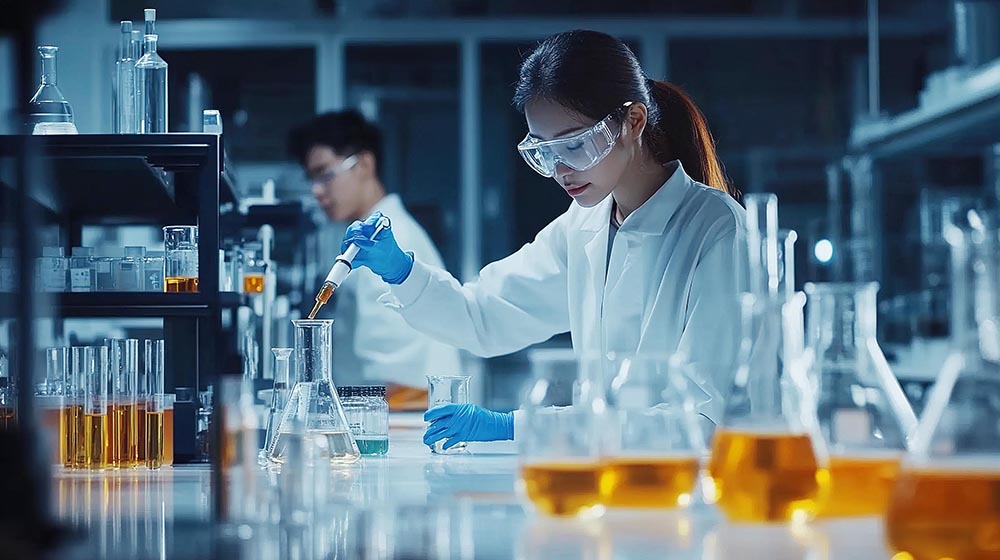
Essential tests for PVC Stabilizer Quality include: Congo red thermal stability test (measures resistance to thermal decomposition), static oven aging test (checks for discoloration and degradation), melt flow rate test (assesses processability in PVC melts), and compatibility testing with standard PVC resins. For eco-friendly markets, add heavy metal and toxic substance testing to comply with RoHS, REACH, and other global regulations. Record all test results in a dedicated QC log, and only release batches that pass every test—rework or discard defective batches to protect your brand integrity.
Stage 4: Packaging and Storage QC (Preserve Quality Until Delivery)
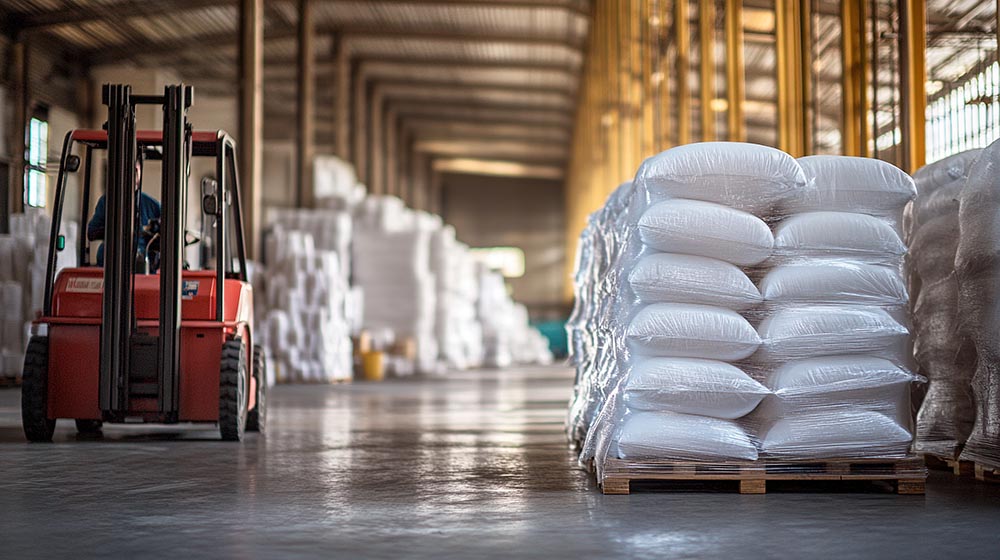
Even the highest-quality PVC stabilizers can degrade if packaged or stored improperly, undoing all your hard work. Use moisture-proof, dust-resistant packaging materials suited to the stabilizer type—for example, sealed plastic bags or fiber drums for powder stabilizers, and airtight containers for liquid PVC heat stabilizers. Label each package clearly with product name, batch number, production date, shelf life, and storage instructions to avoid mix-ups.
Store finished products in a dry, cool warehouse away from direct sunlight, heat sources, and corrosive chemicals. Rotate inventory using the first-in-first-out (FIFO) method to prevent expired stock from being shipped to clients. Conduct regular inventory checks to monitor for caking, discoloration, or moisture damage, and isolate compromised products immediately.
How to Fix Common PVC Stabilizer Quality Issues (Quick Troubleshooting Tips)
Even with strict QC, occasional quality hiccups can arise. Here are actionable fixes for the most common PVC Stabilizer Quality problems that plague manufacturers:
• Issue 1: Poor thermal stability (PVC yellows quickly during processing) – Check raw material purity (especially active stabilizer components), verify mixing uniformity, and re-run thermal stability tests to adjust formulation if needed. Increase the proportion of high-efficiency PVC heat stabilizers in the formula for heat-sensitive applications.
• Issue 2: Batch-to-batch inconsistency – Standardize all process parameters, enforce SOP compliance, and conduct more frequent in-process sampling. Audit raw material suppliers to ensure consistent material quality across shipments.
• Issue 3: Poor dispersion in PVC melts – Optimize granulation/grinding to achieve uniform particle size, check lubricant content in the PVC stabilizer formulation, and test melt flow rate to improve processability.
• Issue 4: Failure to meet environmental standards – Switch to certified eco-friendly raw materials (like high-purity calcium zinc PVC stabilizers), conduct regular heavy metal testing, and update formulations to eliminate restricted substances.
Long-Term Steps to Elevate PVC Stabilizer Quality Excellence
Beyond day-to-day QC, investing in long-term quality improvements will set your PVC stabilizer business apart from competitors and build lasting customer loyalty. First, prioritize staff training: ensure every QC team member and production operator understands the importance of PVC Stabilizer Quality, master testing procedures, and can identify early warning signs of defects. Regular training sessions on new testing technologies, regulatory updates, and formulation best practices will keep your team skilled and informed.
Second, invest in quality control equipment upgrades. Modern tools like infrared spectrometers for composition analysis, automatic thermal stability testers, and particle size analyzers reduce human error and speed up testing, making QC more efficient and accurate. While this requires upfront investment, it pays off through reduced waste, fewer product failures, and higher customer satisfaction.
Third, gather feedback from your customers regularly. Ask about stabilizer performance in their PVC production lines, note any issues they encounter, and use that input to refine your QC processes and PVC stabilizer formulation. This customer-centric approach ensures your products align with real-world needs and solves their pain points effectively.
Finally, document everything. Maintain detailed records of raw material batches, production parameters, test results, and customer feedback for every stabilizer batch. This documentation not only helps trace and resolve quality issues quickly but also demonstrates your commitment to quality to clients and regulatory bodies.
Quality Control Is the Backbone of Successful PVC Stabilizer Production
In the competitive PVC additive industry, cutting corners on quality control is a recipe for failure. PVC Stabilizer Quality directly impacts the performance, durability, and safety of every PVC product on the market, and manufacturers that prioritize consistent, rigorous QC will thrive in the long run. Whether you produce PVC heat stabilizers, calcium zinc PVC stabilizers, or custom PVC stabilizer formulation products, implementing a full-cycle quality control system isn’t just a best practice—it’s a necessity.
By focusing on raw material inspection, in-process monitoring, finished product testing, and continuous improvement, you can eliminate variability, reduce costs, and deliver stabilizers that meet and exceed customer expectations. Don’t let avoidable quality issues hold your business back—start refining your QC processes today and build a reputation for reliable, high-performance PVC stabilizers that stand the test of time.
If you need help optimizing your PVC stabilizer quality control protocols, refining your stabilizer formulations, or troubleshooting persistent quality issues, our team of plastic additive experts is here to assist. Stay tuned for more practical tips on PVC additive production, quality management, and industry trends to keep your business ahead of the curve.
Post time: Apr-07-2026