

Polyvinyl chloride finding its way into countless applications that shape our daily lives and industrial operations. From the pipes that carry water to our homes to the cables that transmit power and data, PVC’s adaptability is unmatched. Yet, this popular polymer has a critical flaw: inherent thermal instability. When exposed to the high temperatures required for processing—such as extrusion, injection molding, or calendering—PVC begins to decompose, releasing harmful hydrogen chloride (HCl) and compromising the material’s structural integrity. This is where stabilizers step in, and among the various options available, lead stabilizers have long been a cornerstone in the PVC industry. Lead-based PVC stabilizer formulations have earned their place through decades of proven performance, though they also face growing scrutiny in an era of increasing environmental awareness. In this blog, we’ll delve into the real-world applications, key advantages, and unavoidable limitations of these stabilizers, while also exploring how industry leaders are navigating the evolving landscape of PVC stabilization.
To understand the role of lead stabilizer in PVC processing, it’s essential to grasp their core functionality. At a fundamental level, lead-based stabilizers act as efficient HCl scavengers. As PVC decomposes under heat, the lead compounds in the stabilizer react with the released HCl to form stable, water-insoluble lead chlorides. This reaction interrupts the autocatalytic decomposition cycle, preventing further breakdown of the polymer chain. What sets lead stabilizers apart from many alternatives is their ability to provide long-term thermal stability, not just short-term protection during processing. This enduring performance makes them particularly valuable for applications where PVC products are expected to withstand harsh environmental conditions over extended lifespans—often decades. Additionally, lead-based formulations often offer a balanced blend of thermal protection and lubricating properties, which simplifies processing by reducing friction between PVC particles and between the molten polymer and processing machinery. This dual functionality enhances production efficiency, ensuring consistent product quality with minimal downtime.
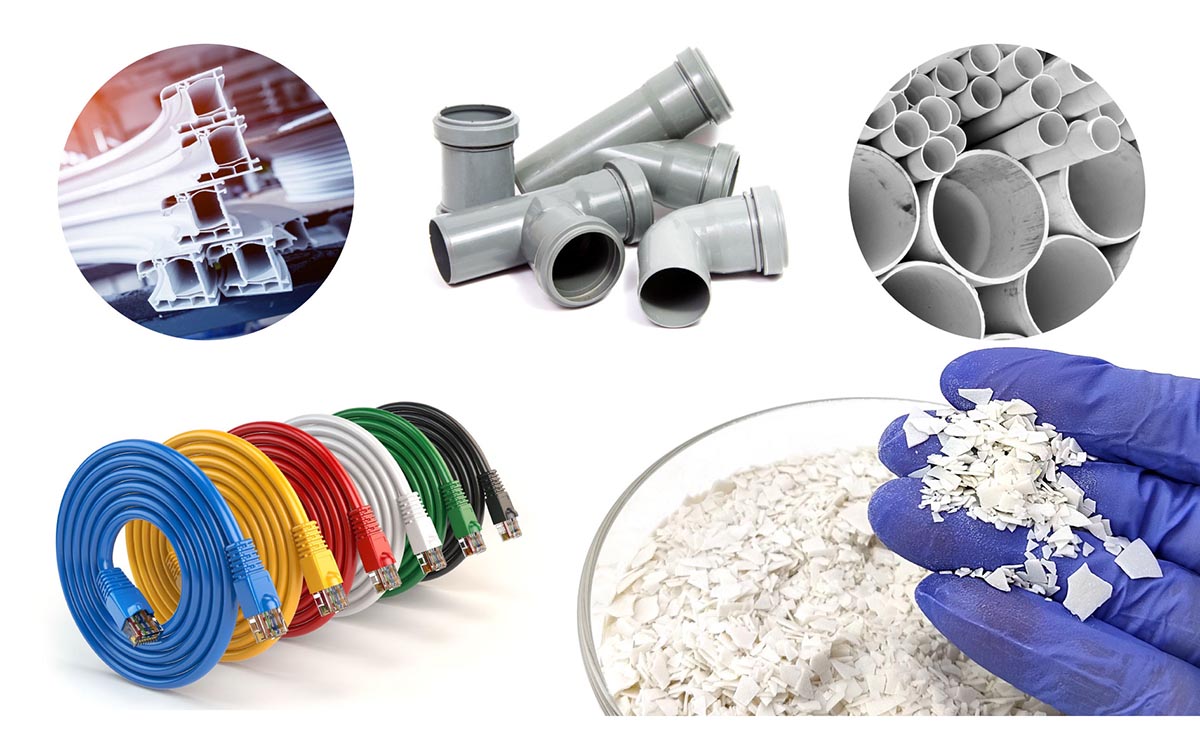
The practical applications of lead-based PVC stabilizer are deeply rooted in industries where durability, reliability, and cost-effectiveness are non-negotiable. One of the most prominent sectors is the construction industry, where PVC pipes and fittings are ubiquitous. Whether used for potable water supply, sewage systems, or underground drainage, these pipes must resist corrosion, temperature fluctuations, and mechanical stress for decades. Lead stabilizers play a pivotal role in ensuring this longevity; their excellent long-term thermal stability prevents pipe degradation even when exposed to hot water or direct sunlight. For example, rigid PVC pressure pipes stabilized with lead compounds maintain their structural integrity and pressure-bearing capacity far longer than those using less robust stabilizers. This reliability is why many infrastructure projects, particularly in regions with demanding climate conditions, have historically relied on lead-stabilized PVC pipes.
Another critical application area for lead stabilizer is the electrical and electronics industry, specifically in cable and wire insulation. PVC is widely used for insulating power cables, communication cables, and electrical wiring due to its excellent electrical insulation properties, but these properties can degrade rapidly if the material is not properly stabilized. Lead-based stabilizers excel here because the lead chlorides formed during the stabilization process are also excellent electrical insulators, ensuring that the cable’s insulating properties remain intact over time. Additionally, these stabilizers provide superior weather resistance, making them ideal for outdoor cable applications where exposure to UV radiation, moisture, and temperature extremes is common. From overhead power lines to underground communication cables, lead-stabilized PVC insulation ensures safe and reliable electrical transmission. TopJoy Chemical‘s lead-based stabilizer formulations for cables are designed to meet strict electrical performance standards, with minimal batch-to-batch variation thanks to advanced PLC-controlled manufacturing processes. This consistency is crucial for cable manufacturers, who cannot afford deviations that could compromise electrical safety.
Window and door profiles represent another major application for lead based PVC stabilizer. Rigid PVC profiles are favored in construction for their energy efficiency, low maintenance, and resistance to rot and pests. However, these profiles are constantly exposed to the elements—sunlight, rain, snow, and temperature swings—requiring exceptional weatherability and color retention. Lead stabilizers provide the necessary UV resistance to prevent discoloration and brittleness, ensuring that the profiles maintain their esthetic appeal and structural integrity for the life of the building. Additionally, their lubricating properties facilitate the extrusion of complex profile shapes with precise dimensions, a key requirement for ensuring proper fit and energy efficiency in window and door installations. While newer stabilizer alternatives are gaining traction in this sector, lead-based options still hold a place in markets where cost and long-term performance are the primary drivers.
The advantages of lead-based PVC stabilizer extend beyond their performance in specific applications; they also offer compelling economic and processing benefits. Cost-effectiveness is perhaps the most significant advantage. Lead-based stabilizers have a high performance-to-cost ratio, requiring lower dosages than many alternative stabilizers to achieve the same level of protection. This reduces material costs for manufacturers, a critical factor in price-sensitive industries like construction and utilities. Additionally, their compatibility with a wide range of PVC formulations—from rigid to semi-rigid to flexible—makes them a versatile solution, eliminating the need for multiple stabilizer types across different product lines. This versatility simplifies inventory management and production processes, further reducing operational costs.
Another key advantage of lead stabilizer is their broad processing window. PVC manufacturers often operate across a range of temperatures and processing speeds, and lead-based stabilizers provide consistent performance across these variables. Their lubricating properties reduce friction during extrusion and molding, preventing die buildup and ensuring smooth, uniform product surfaces. This not only improves product quality but also increases production efficiency by reducing downtime for machinery cleaning and maintenance. For manufacturers working with recycled PVC, lead-based stabilizers are particularly valuable due to their ability to stabilize the more degraded polymer chains often found in recycled materials. This supports circular economy efforts by extending the usability of PVC waste, though it’s important to note that regulatory considerations still apply to recycled products containing lead.
Despite their long-standing role and significant advantages, lead-based PVC stabilizer face unavoidable limitations, primarily centered around health, environmental concerns, and evolving regulations. Lead is a chronically toxic heavy metal that can accumulate in the human body and the environment, posing serious health risks to workers involved in PVC processing and end-users if products leach lead over time. This toxicity has led to strict regulations governing the use of lead-based stabilizers in many regions. The European Union’s REACH and RoHS directives, for example, severely restrict or ban the use of lead in many PVC applications, particularly those involving food contact, medical devices, and children’s products. Similar regulations have been adopted in North America, Japan, and other developed markets, limiting the applicability of lead-based stabilizers in these regions.
Another limitation is the issue of sulfur staining. Lead compounds react with sulfur-containing substances, resulting in unsightly discoloration of PVC products. This restricts the use of lead-based stabilizers in applications where color consistency is critical, or where products may come into contact with sulfur-rich environments—such as certain industrial settings or outdoor applications near coal-fired power plants. Additionally, lead-based stabilizers are not suitable for transparent PVC products, as they tend to impart a slight haze or color, limiting their use in applications like clear packaging or transparent films.
The environmental impact of lead-based stabilizers extends beyond their toxicity. Lead mining and processing are resource-intensive and environmentally damaging, contributing to soil and water pollution. Disposal of PVC products containing lead also poses challenges, as improper disposal can release lead into the environment. These environmental concerns have driven the development of alternative stabilizer technologies, such as calcium-zinc (Ca-Zn) stabilizers, which are non-toxic and more environmentally friendly. While these alternatives have made significant advancements in performance, they still often come with higher costs or narrower processing windows compared to lead-based stabilizers, particularly in applications requiring long-term thermal stability.
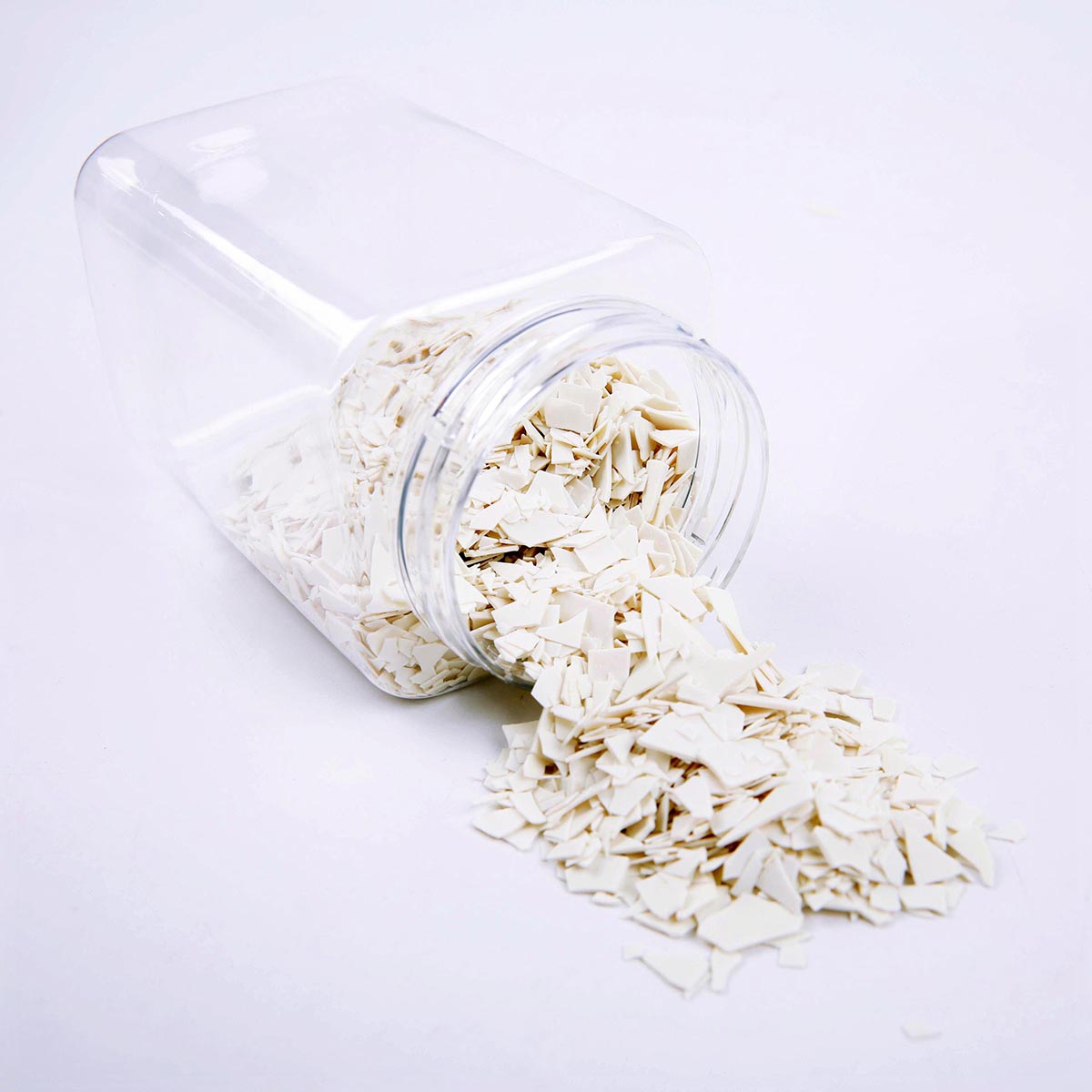
For manufacturers navigating this complex landscape, partnering with a knowledgeable stabilizer supplier is essential. Companies like TopJoy Chemical recognize the dual needs of the industry: maintaining performance and cost-effectiveness while adhering to evolving regulations. While TopJoy Chemical has expanded its portfolio to include high-performance Ca-Zn stabilizers to meet the growing demand for eco-friendly solutions, it also continues to offer high-quality lead-based stabilizer grades for markets and applications where they remain compliant and necessary. These lead-based formulations are designed with safety in mind, incorporating dust-free granular or flake forms to minimize worker exposure during handling—a critical improvement over traditional powdered lead stabilizers. Additionally, TopJoy Chemical’s quality control processes ensure that their lead-based stabilizers meet the strictest industry standards for consistency and performance, helping manufacturers avoid costly production issues and ensure regulatory compliance.
Looking ahead, the role of lead-based PVC stabilizer is likely to continue shrinking in developed markets as regulations tighten and alternative technologies improve. However, in many emerging markets where regulations are less stringent and cost is the primary consideration, lead-based stabilizers will remain a viable option for the foreseeable future. For these markets, suppliers like TopJoy Chemical play a crucial role in providing safe, high-quality lead-based solutions while also educating customers about the benefits of transitioning to more sustainable alternatives as regulations evolve.
In conclusion, lead stabilizers have been a workhorse in the PVC industry for decades, offering unmatched long-term thermal stability, cost-effectiveness, and processability in critical applications like construction pipes, electrical cables, and window profiles. Their limitations—centered around toxicity, regulatory restrictions, and environmental impact—are significant, but they do not diminish their continued relevance in certain markets. As the industry moves toward more sustainable practices, the focus is shifting to alternative stabilizer technologies, but lead-based stabilizers will remain an important part of the PVC landscape for years to come. By partnering with a supplier like TopJoy Chemical, manufacturers can access the right stabilizer solutions for their specific needs, whether that means high-performance lead-based formulations for compliant markets or eco-friendly alternatives for regions with strict environmental regulations. Ultimately, the goal is to balance performance, cost, and sustainability—a challenge that requires expertise, innovation, and a deep understanding of both current and future industry needs.
Post time: Jan-19-2026