

Rigid PVC extrusion is one of the most widely adopted manufacturing processes for plastic profiles, pipes, and industrial rigid fittings. However, even with mature production formulas and standardized equipment operation, most manufacturers face two persistent and frustrating issues: stabilizer precipitation and die buildup. These two problems are closely linked, often leading to frequent production halts, uneven product surfaces, dimensional deviations, and increased material waste. For factories relying on continuous extrusion production, unplanned shutdowns for die cleaning severely drag down output efficiency and raise overall operational costs. This article will break down the root causes of these defects and share practical, field-verified solutions centered on PVC stabilizers of rigid PVC products, helping processors achieve stable, long-cycle continuous production.
In rigid PVC extrusion, unlike flexible PVC products that require high plasticity and softness, rigid formulations pursue high rigidity, thermal stability, and structural uniformity. This makes the selection and dosage of rigid PVC thermal stabilizers the core factor determining extrusion smoothness. Many production failures are mistakenly attributed to equipment aging or processing temperature errors, while the real culprit lies in mismatched stabilizer types, unreasonable formula ratios, and poor compatibility between auxiliary additives and PVC resin.
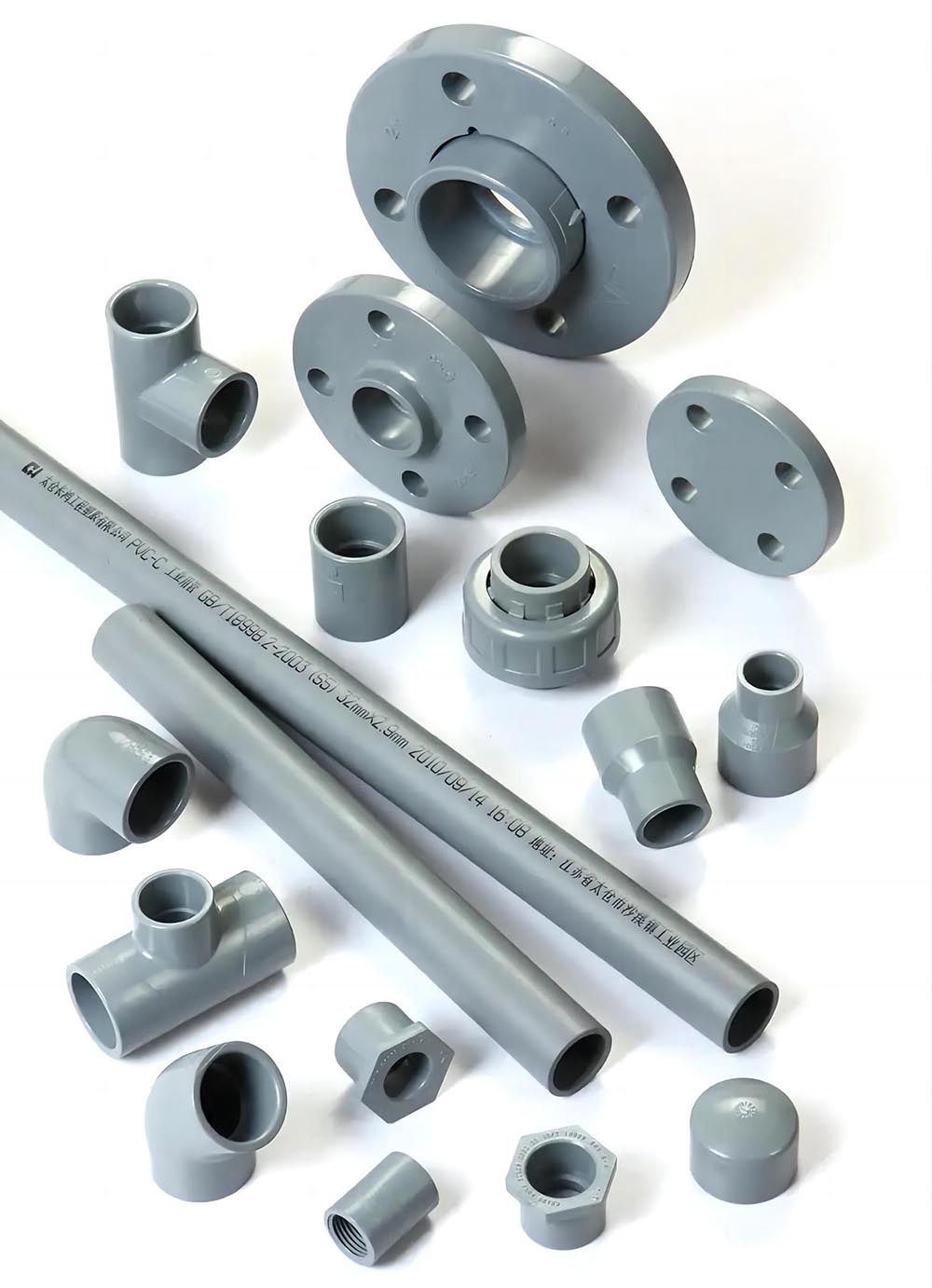
The Core Causes of Stabilizer Precipitation and Die Buildup
Before solving the problem, it is essential to clarify why stabilizer precipitation and die residue accumulation occur specifically in rigid PVC extrusion. The high-temperature and high-shear environment inside the extruder barrel and die forces complex physical and chemical changes in the PVC formula system.
First, poor compatibility of stabilizers is the primary trigger. Low-quality or improperly selected PVC heat stabilizers cannot fully fuse with PVC resin and auxiliary agents such as lubricants and processing aids. Under continuous high-temperature extrusion, unfused stabilizer molecules separate from the resin matrix, migrate to the melt surface, and finally adhere to the die opening. With continuous production, these migrated substances accumulate layer by layer, forming yellow or black sticky die buildup.
Second, unreasonable matching of internal and external lubricants exacerbates precipitation. Many manufacturers overuse external lubricants to improve product surface smoothness, but excessive external lubricants will destroy the uniform dispersion balance of stabilizers. This not only weakens the thermal stability of rigid PVC melts but also accelerates the migration of stabilizer particles to the die surface, aggravating residue accumulation.
Third, inappropriate extrusion process parameters amplify defects. Too high a die temperature will cause partial decomposition of stabilizers and PVC resin, producing tiny decomposed residues; too low a plasticizing temperature leads to incomplete melting of the formula system, leaving unmelted stabilizer aggregates. Both situations will form persistent die buildup that is hard to clean. In addition, long-term continuous production without formula adjustment will cause cumulative aging of stabilizers, further worsening precipitation problems.
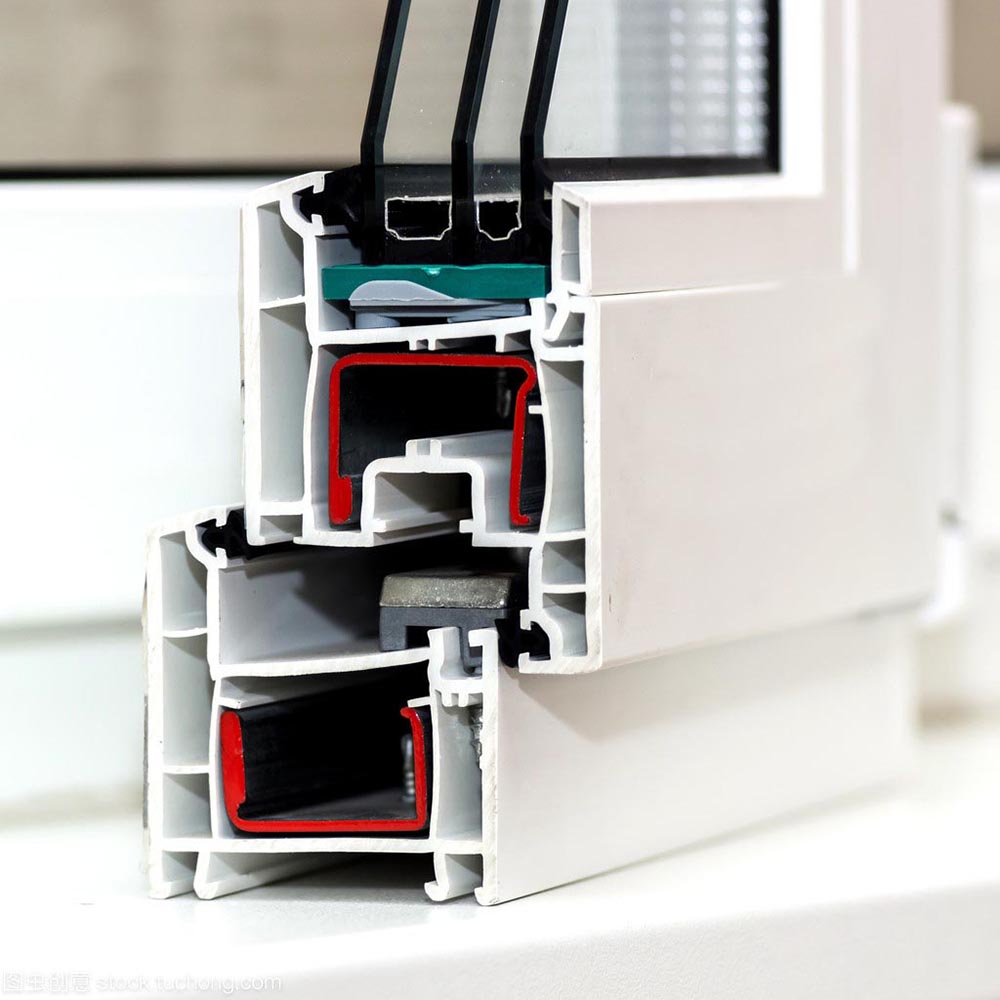
Practical Technical Solutions to Stop Stabilizer Precipitation and Die Buildup
Based on on-site production experience, the solutions are divided into three actionable dimensions: formula optimization, stabilizer selection standardization, and process parameter adjustment. All methods are suitable for mass production of rigid PVC pipes, profiles, and plates, with strong operability and no need for large-scale equipment transformation.
1. Optimize Stabilizer Selection for Rigid PVC Formulas
The foundation of solving precipitation problems is to select highly matched PVC stabilizers for rigid extrusion. Many small and medium-sized factories use general-purpose stabilizers for both flexible and rigid PVC products to cut costs, which is the main cause of frequent die buildup.
For rigid PVC products with high rigidity requirements, calcium-zinc composite stabilizers and organotin stabilizers are the most ideal choices. High-purity rigid-grade calcium-zinc stabilizers feature excellent resin compatibility and uniform dispersion, which can maintain stable molecular structure activity under long-term high shear and high temperature, effectively preventing molecular migration and precipitation. Organotin stabilizers, with superior high-temperature thermal stability, are more suitable for high-precision rigid PVC products that require long-cycle continuous extrusion, as they hardly decompose or migrate at die working temperatures.
It is crucial to avoid low-cost lead salt stabilizers with uneven particle fineness. Although lead salt stabilizers are low-priced, their poor dispersion in rigid PVC melts leads to severe precipitation after 2 to 4 hours of continuous extrusion, forming thick die buildup that requires frequent shutdown cleaning. Replacing mismatched stabilizers with rigid extrusion-specific models can extend continuous production time by more than 3 times in most cases.
2. Adjust Formula Ratio to Balance Lubrication and Stability
A reasonable formula balance is key to inhibiting stabilizer migration. Most precipitation issues stem from the imbalance between stabilizers and lubricants. In rigid PVC formulas, the dosage ratio of internal and external lubricants must be strictly controlled to avoid interfering with stabilizer dispersion.
We recommend appropriately increasing the internal lubricant dosage to promote full fusion of stabilizers and resin, reducing unfused particle residues. Meanwhile, strictly limit excessive external lubricants, as redundant external lubricants will wrap stabilizer particles and drive them to migrate to the melt surface. In actual production, the optimal mass ratio of stabilizers to total lubricants is controlled at 1:0.8 to 1:1.2, which can maximize the dispersion stability of the formula system.
In addition, adding a small amount of processing aids and impact modifiers can optimize melt fluidity, make the stress distribution of the melt uniform during die extrusion, avoid local high-temperature decomposition of stabilizers, and fundamentally reduce the generation of precipitated residues.
3. Standardize Extrusion Process Parameters and Daily Maintenance
Even with a perfect formula and high-quality stabilizers, irregular process operation will still cause die buildup. The first adjustment is temperature parameter calibration. The barrel temperature should ensure full plasticization of the melt, and the die temperature needs to be controlled within a reasonable range to prevent overheating and decomposition. For most rigid PVC products, the die temperature is best maintained between 185℃ and 195℃, avoiding excessive temperature differences between the upper and lower die that cause local melt aging and stabilizer precipitation.
Second, stabilize the extrusion speed. Frequent speed fluctuations will lead to unstable melt pressure, resulting in uneven stabilizer dispersion and intermittent precipitation. Maintaining a constant extrusion speed ensures continuous and stable melt output, reducing residue adhesion on the die inner wall.
Daily die maintenance is also indispensable. Regularly polish the die inner wall to keep it smooth, as rough inner walls are more likely to hook precipitated particles and form accumulated residues. For long-term continuous production, arrange a short-term online cleaning every 8 hours to remove tiny residual particles, avoiding layer-by-layer accumulation and hardening that leads to difficult cleaning and product defects.
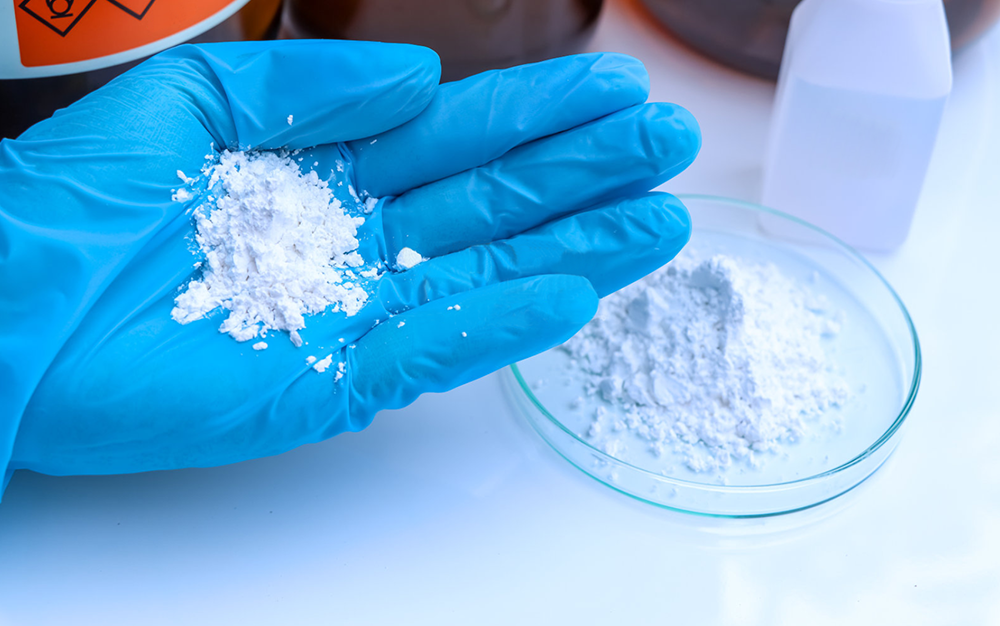
Common Misjudgments in On-Site Production and Avoidance Tips
In actual production, many operators have wrong adjustment habits that aggravate stabilizer precipitation. The most common misoperation is blindly increasing stabilizer dosage when die buildup occurs. Excessively high stabilizer concentration will break the formula balance, cause supersaturated precipitation of stabilizer molecules, and make die buildup more serious.
Another common mistake is mixing different brands of PVC stabilizers. Different manufacturers have different production processes and component ratios for stabilizers. Random mixing will cause component incompatibility, chemical reactions inside the melt, and generate insoluble precipitated impurities, which adhere to the die and affect product quality.
The correct adjustment logic is always to prioritize stabilizer compatibility optimization, followed by formula ratio fine-tuning, and finally process parameter calibration. This step-by-step adjustment method can efficiently solve precipitation problems without causing new production defects.
Stabilizer precipitation and die buildup in rigid PVC extrusion are not unsolvable technical difficulties. Most problems arise from mismatched PVC stabilizers of rigid PVC products, unbalanced formula systems, and non-standard process operations. By selecting professional rigid extrusion-grade PVC heat stabilizers, optimizing the matching ratio of stabilizers and lubricants, and standardizing extrusion temperature, speed, and die maintenance, manufacturers can effectively eliminate die residue accumulation, reduce shutdown cleaning frequency, stabilize product surface quality, and greatly improve continuous production efficiency. For long-term production cost control and product quality upgrading, these targeted technical optimizations are simple, efficient, and worthy of long-term promotion and implementation in all rigid PVC processing factories.
Post time: Jun-16-2026