

For pipe and profile manufacturers, PVC extrusion is a balancing act. You’re juggling material costs, production efficiency, product durability, and compliance with industry standards—all while ensuring consistent quality batch after batch. One component that quietly makes or breaks this balance is the PVC stabilizer. Unlike more visible parts of the process, stabilizers don’t get much fanfare, but they’re the backbone of preventing PVC degradation during processing and extending the lifespan of your end products.
If you’ve ever dealt with discolored profiles, brittle pipes, or unexpected production downtime from material breakdown, you know just how critical it is to choose the right stabilizer. But with countless options on the market—lead-based, calcium-zinc, tin-based, and more—and varying requirements for different extruded products, the selection process can feel daunting.
Understand Why Stabilizers Are Non-Negotiable in PVC Extrusion
Before diving into selection criteria, let’s ground ourselves in the basics—because knowing why stabilizers matter helps you prioritize what to look for. PVC is inherently unstable when exposed to heat and shear forces, which are unavoidable in extrusion. During processing, the polymer’s molecular chains break down, releasing hydrochloric acid (HCl)—a catalyst that accelerates further degradation. This leads to a cascade of issues: yellowing or browning of the material, reduced mechanical strength, and even melt fracture that ruins the extrusion’s surface finish.
For pipes and profiles, this degradation isn’t just a quality issue—it’s a safety and compliance problem. Pipes used for water supply, drainage, or industrial applications need to resist chemical corrosion and maintain structural integrity for decades. Profiles for construction (like window frames or siding) must withstand UV exposure and temperature fluctuations without becoming brittle. Stabilizers interrupt the degradation cycle by neutralizing HCl, replacing broken molecular bonds, and shielding the polymer from heat and light. In short, the right stabilizer isn’t an add-on—it’s a prerequisite for producing sellable, long-lasting extruded PVC products.
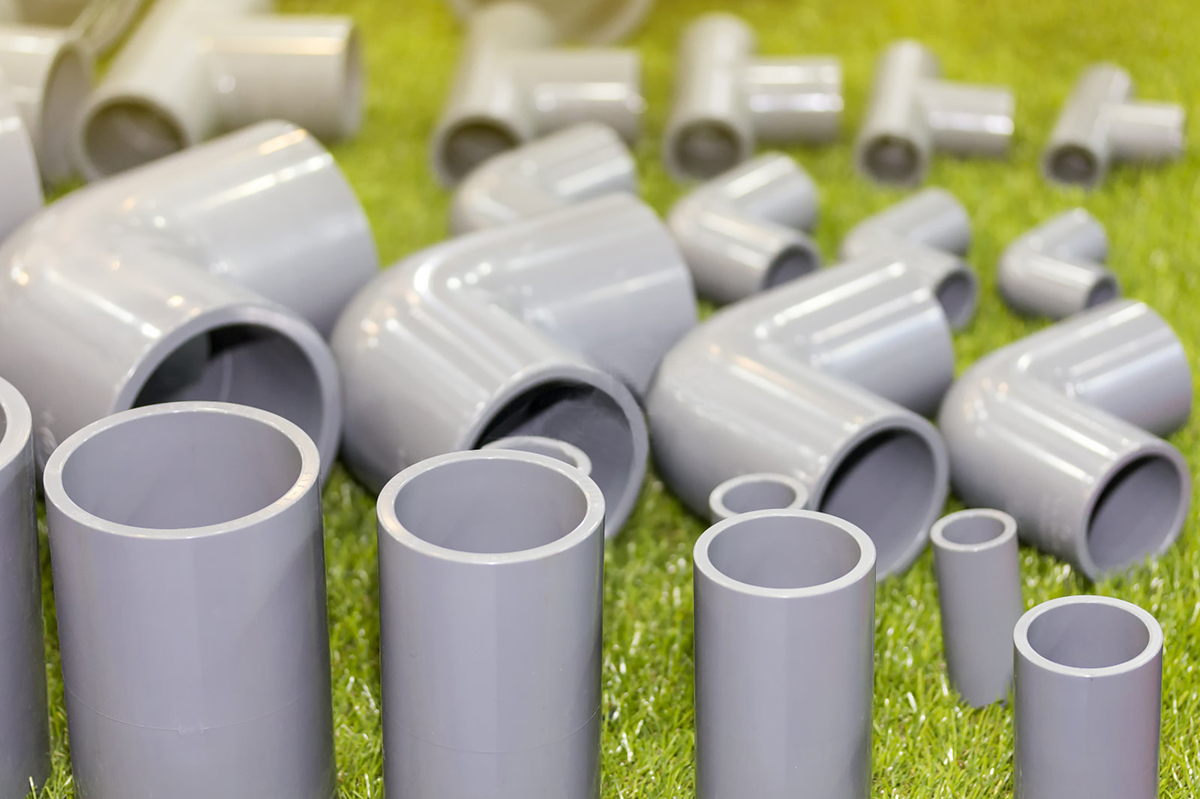
Key Factors That Drive Stabilizer Selection for Pipes & Profiles
There’s no one-size-fits-all stabilizer for extruded PVC. Your choice depends on a mix of product requirements, processing conditions, and regulatory constraints. Below are the most practical considerations—tailored to the day-to-day challenges pipe and profile manufacturers face.
• Regulatory Compliance: Start Here to Avoid Costly Mistakes
Regulations should be your first filter—because even the best stabilizer won’t help if it’s non-compliant with local or industry standards. For example, lead-based stabilizers were once common for their cost-effectiveness and performance, but they’re now banned in most regions (including the EU, US, and China) due to environmental and health risks. If you’re manufacturing pipes for potable water, you’ll need stabilizers certified for food contact (like NSF/ANSI 61 in the US or EN 1452-2 in Europe).
Profiles for construction may need to meet fire safety standards, which can limit certain stabilizer chemistries. The mistake many manufacturers make is prioritizing cost over compliance—only to face product recalls or rejected shipments later. Do your homework upfront: map the regulations for your target market and application, then eliminate any stabilizer options that don’t check those boxes. This step saves you time and money in the long run.
• Processing Conditions: Match Stabilizers to Your Extruder’s Needs
Your extrusion line’s operating parameters—temperature, shear rate, and residence time—directly impact stabilizer performance. PVC pipes and profiles often require different processing windows: pipes (especially large-diameter ones) may run at lower temperatures but longer residence times, while thin-walled profiles need higher temperatures for consistent shaping.
Stabilizers have specific temperature limits—exceeding them reduces their effectiveness and accelerates degradation. For high-temperature extrusion, tin-based stabilizers (organotin) offer excellent heat resistance and processability, making them a good fit for thin profiles or fast-moving lines. Calcium-zinc (CaZn) stabilizers, a popular eco-friendly alternative, work well at moderate temperatures but may require adjustments to processing speed or formulation if you’re running at the upper end of PVC’s melting range.
Shear force is another often-overlooked factor. High-shear extrusion—common with small-diameter pipes—can break down stabilizers more quickly, so you’ll need a formulation with strong shear stability. If you’re seeing frequent material discoloration mid-run, chances are your stabilizer can’t keep up with your line’s shear or temperature demands—consider switching to a more robust grade.
• End-Use Requirements: Build Durability for the Product’s Lifespan
The environment your pipes or profiles will face dictates the stabilizer’s long-term performance. Let’s break this down by application:
Pipes: For underground drainage pipes, hydrolysis resistance is key—moisture can degrade some stabilizers over time, leading to brittle failure. CaZn stabilizers with additional antioxidants are a solid choice here. For water supply pipes, you need stabilizers that don’t leach harmful substances and resist chlorine (common in tap water). Organotin stabilizers (like methyltin) are widely used for potable water pipes due to their low migration and chlorine resistance.
Profiles: Construction profiles exposed to sunlight need UV stabilizers blended with their primary PVC stabilizer. Without UV protection, profiles will fade, crack, and lose strength in as little as a few years. Look for stabilizer packages that combine heat and UV protection—many manufacturers offer pre-blended formulations to simplify this. For indoor profiles (like door frames), UV resistance is less critical, so you can prioritize cost or processability.
Mechanical strength requirements also play a role. Pipes that need to withstand high pressure (like industrial piping) benefit from stabilizers that preserve PVC’s tensile strength and impact resistance. Tin-based stabilizers excel here, as they maintain molecular chain integrity better than some CaZn formulations at high loads.
• Cost vs. Performance: Find the Sweet Spot
Cost is always a factor, but balancing it with performance is where smart manufacturers win. Lead-based stabilizers are cheap, but their regulatory ban and environmental risks make them a non-starter. CaZn stabilizers are cost-competitive and eco-friendly, making them ideal for budget-conscious production of non-critical products (like low-pressure drainage pipes). Organotin stabilizers are more expensive, but their superior heat resistance, low migration, and long-term durability justify the cost for high-performance applications (potable water pipes, precision profiles).
Don’t forget to calculate the total cost of ownership—not just the stabilizer’s price per kilogram. A cheaper stabilizer that requires higher dosages, causes frequent downtime, or drives up scrap rates will end up costing you more in the long run. For instance, CaZn stabilizers typically need higher addition levels (2-4% of PVC weight) compared to organotin (0.5-1.5%), so be sure to factor that into your formulation costs. Test small batches first to find the lowest effective dosage—this cuts down on material waste and keeps costs manageable.
• Compatibility with Other Additives
PVC formulations for extrusion rarely use just stabilizers—you’ll also have plasticizers, lubricants, fillers, and pigments. The stabilizer you choose must be compatible with these additives; otherwise, you’ll face issues like plate-out (residue on the extruder die), poor dispersion, or reduced stabilizer efficiency.
For example, some lubricants can react with CaZn stabilizers, reducing their ability to neutralize HCl. If you’re using calcium carbonate fillers (common in pipes to reduce cost), look for stabilizers that don’t interact with the filler’s surface—this ensures consistent dispersion and mechanical performance. Pigments, especially dark ones, can absorb heat and accelerate degradation, so you may need to increase stabilizer dosage or choose a heat-resistant grade when using colored formulations.
The easiest way to avoid compatibility issues is to work with your stabilizer supplier to test your full formulation. Reputable suppliers will help you adjust the stabilizer type or dosage to work with your existing additives—saving you from costly trial and error.
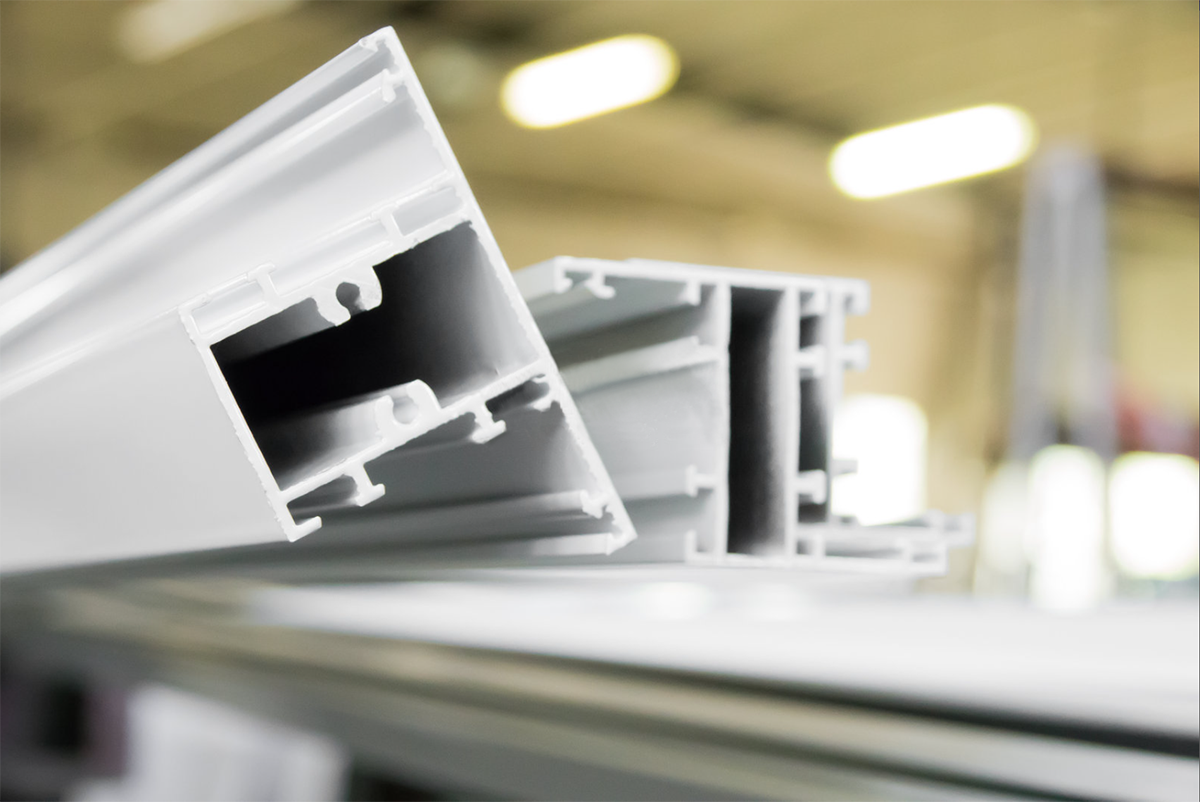
Common Stabilizer Types for Extruded PVC: Pros & Cons for Pipes/Profiles
Now that we’ve covered the selection criteria, let’s break down the most common stabilizer types—focusing on how they perform in pipe and profile extrusion.
• Calcium-Zinc (CaZn) Stabilizers
CaZn stabilizers are the most widely used eco-friendly option, made from non-toxic metals. They’re compliant with most global regulations, making them a safe choice for food-contact and construction applications.
Pros: Cost-effective, non-toxic, good heat stability at moderate temperatures, compatible with most fillers and lubricants. Ideal for drainage pipes, indoor profiles, and low-to-medium performance products.
Cons: Lower heat resistance than tin-based stabilizers, may require higher dosages, can cause slight yellowing in clear or light-colored products. Not the best choice for high-temperature extrusion or potable water pipes (some grades are compliant, but most lack the chlorine resistance of organotin).
• Organotin Stabilizers
Organotin stabilizers (methyltin, butyltin) are high-performance options, widely used for critical applications. They’re known for their excellent heat resistance, low migration, and ability to maintain PVC clarity.
Pros: Superior heat and shear stability, low dosage requirements, excellent chlorine resistance (perfect for potable water pipes), maintains color consistency. Great for thin-walled profiles, high-pressure pipes, and clear PVC products.
Cons: More expensive than CaZn, some grades have a strong odor during processing (though low-odor formulations are available). Regulatory compliance is generally good, but check for specific food-contact certifications.
• Barium-Zinc (BaZn) Stabilizers
BaZn stabilizers are a middle ground between CaZn and organotin, offering better heat resistance than CaZn but lower cost than organotin. They’re often used in flexible PVC extrusion, but some grades work for rigid pipes and profiles.
Pros: Good heat stability, compatible with plasticizers, lower cost than organotin. Suitable for semi-rigid profiles and medium-pressure pipes.
Cons: Less eco-friendly than CaZn (barium is toxic in high doses), regulatory restrictions in some regions. Not recommended for food-contact or high-performance applications.
Solving Common Production Pain Points with the Right Stabilizer
Let’s tie this all together with real-world problems manufacturers face—and how the right stabilizer fixes them.
Pain Point 1: Discolored Products Mid-Run
If your profiles or pipes start yellowing after a few hours of extrusion, your stabilizer is likely breaking down under heat or shear. Solution: Switch to a higher-heat-resistance stabilizer (like organotin) or increase the dosage of your current stabilizer. For CaZn users, look for formulations with additional antioxidants to boost heat stability. Also, check your extruder temperature settings—overheating is a common culprit, so reducing the barrel temperature by 5-10°C may resolve the issue without changing stabilizers.
Pain Point 2: Brittle Pipes/Profiles in End-Use
Brittleness often stems from long-term degradation due to poor stabilizer durability. For underground pipes, this could be hydrolysis of the stabilizer; for outdoor profiles, it’s UV damage. Solution: For underground applications, use a hydrolysis-resistant CaZn stabilizer with antioxidants. For outdoor profiles, choose a stabilizer package that includes UV absorbers and hindered amine light stabilizers (HALS). For high-pressure pipes, upgrade to organotin stabilizers to preserve molecular chain strength.
Pain Point 3: High Scrap Rates Due to Melt Fracture
Melt fracture (rough, uneven surface on extruded products) occurs when PVC degrades during melting, creating inconsistent melt flow. Solution: Use a stabilizer with good shear stability (organotin or high-grade CaZn) to prevent degradation. Also, adjust your lubricant package—compatible lubricants reduce shear force, easing the load on the stabilizer. Testing small batches with different stabilizer-lubricant combinations can help you find the right balance.
Pain Point 4: Regulatory Rejection of Shipments
This is a costly mistake that’s easy to avoid. Solution: Work with your stabilizer supplier to confirm compliance for your target market. For example, if you’re exporting potable water pipes to the US, ensure your stabilizer is NSF/ANSI 61 certified. Avoid lead-based stabilizers entirely—even if they’re cheaper, the risk of rejection isn’t worth it. Many suppliers offer “compliance packages” tailored to specific regions, taking the guesswork out of selection.
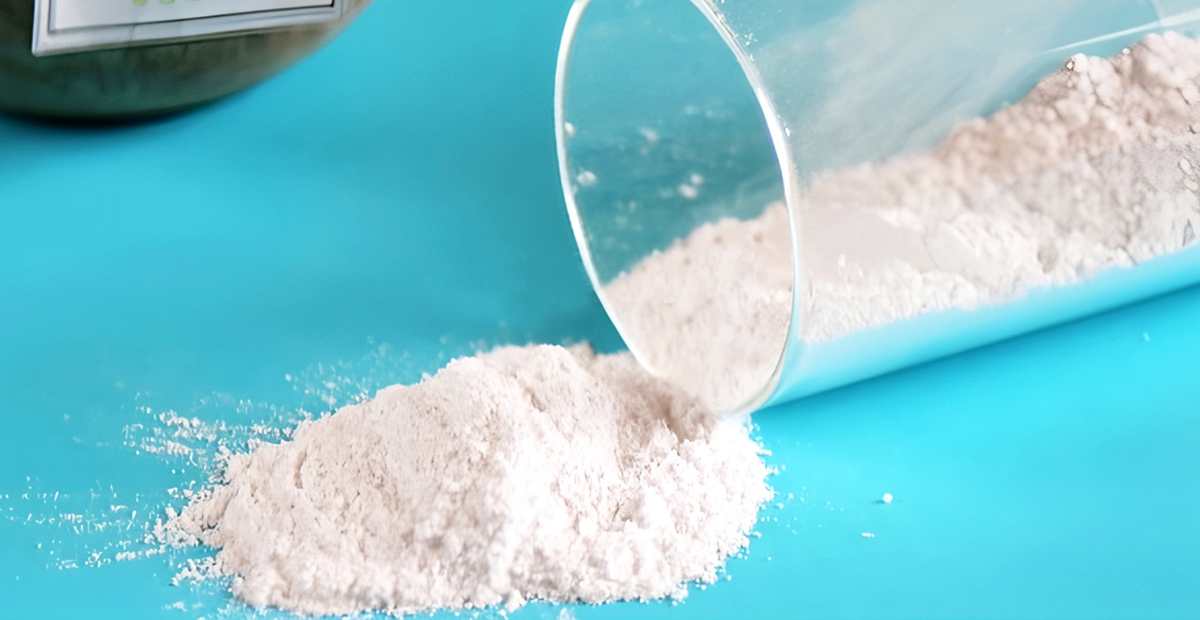
The best stabilizer choice isn’t made in a vacuum. Reputable stabilizer suppliers have technical teams that understand PVC extrusion for pipes and profiles—lean on their expertise. Share your processing parameters, formulation, and end-use requirements, and they’ll recommend the right stabilizer type and dosage.
Testing is non-negotiable. Don’t switch stabilizers for a full production run without testing small batches first. Conduct heat stability tests (like the Congo Red test) to evaluate how the stabilizer performs under processing temperatures. For long-term durability, run accelerated aging tests (UV exposure, moisture resistance) to ensure the product holds up in real-world conditions.
Finally, monitor your production process after switching stabilizers. Track scrap rates, discoloration, and downtime—this data will help you fine-tune the dosage or formulation for optimal performance.
Choosing the right PVC stabilizer for extruded pipes and profiles isn’t just about checking a box—it’s about investing in consistent quality, regulatory compliance, and customer trust. By prioritizing compliance, matching stabilizers to your processing conditions and end-use needs, and solving pain points with targeted selections, you’ll reduce downtime, cut scrap costs, and produce products that stand the test of time.
Remember: The cheapest stabilizer isn’t always the best value, and the most expensive isn’t always necessary. The right choice is the one that aligns with your specific production goals and product requirements. With the insights here, you’ll be able to make informed decisions that move your manufacturing operation forward.
Post time: Feb-09-2026