

High-speed PVC pipe extrusion has become the mainstream production standard for modern plastic manufacturing factories. To pursue higher output and improve production efficiency, most manufacturers continuously boost extrusion speed and optimize line operation parameters. However, this common upgrade always brings two stubborn production issues: early-stage product discoloration and unexpected thermal degradation. These problems directly lead to large-scale product scrap, unstable production batches, and increased raw material and labor costs, which have long troubled PVC processing plant managers and technical operators. Fortunately, professional calcium-zinc stabilizers provide a targeted, cost-effective solution to solve these pain points and stabilize high-speed extrusion production.
In PVC processing, PVC heat stabilizers are core additives that determine product appearance quality and production continuity. Unlike traditional lead-based stabilizers with high toxicity and poor environmental performance, calcium-zinc stabilizers are eco-friendly, low-cost, and highly adaptable to high-speed production lines. Combined with auxiliary processing additives and scientific formula adjustment, they can completely eliminate initial discoloration and thermal degradation risks in high-speed extrusion, helping factories achieve stable, high-yield, and zero-waste production. This article analyzes the root causes of high-speed extrusion defects and shares practical, operable optimization suggestions for PVC pipe manufacturers.
Why High-Speed PVC Pipe Extrusion Causes Initial Discoloration and Thermal Degradation
Many manufacturers mistakenly believe that equipment speed improvement only affects production volume, ignoring the drastic changes in thermal and physical environments inside the extrusion barrel when the speed increases. The essence of PVC degradation lies in the poor thermal stability of PVC resin itself. PVC molecular chains are prone to dehydrochlorination reactions under high temperature and high shear force, resulting in chain breakage, oxidation, and eventually yellowing, browning, or blackening of pipe products.
In low-speed extrusion, the material stays in the heating barrel for a relatively long time with uniform heat conduction, and conventional stabilizers can fully exert thermal protection effects. In high-speed extrusion conditions, the material advances rapidly, generating intense friction and shear heat in a short time. The instantaneous local temperature of PVC melt will exceed the tolerance range of ordinary stabilizers. At this time, general-purpose PVC stabilizers fail to capture free radicals and neutralize harmful hydrogen chloride gas in time. The unstable molecular chains are rapidly oxidized, forming color spots and fading on the pipe surface at the initial extrusion stage.
If the initial slight discoloration is not adjusted in time, continuous high-temperature shear will further aggravate PVC degradation. The melt will lose plasticization uniformity, produce bubbles, cracks, and rough surfaces, and finally lead to batch scrap. In actual production, many factories often adjust temperature parameters or reduce feeding speed to improve defects, which not only sacrifices production efficiency but also fails to fundamentally solve the problem. The core solution is to replace ordinary additives with professional calcium-zinc stabilizers matching high-speed extrusion lines.
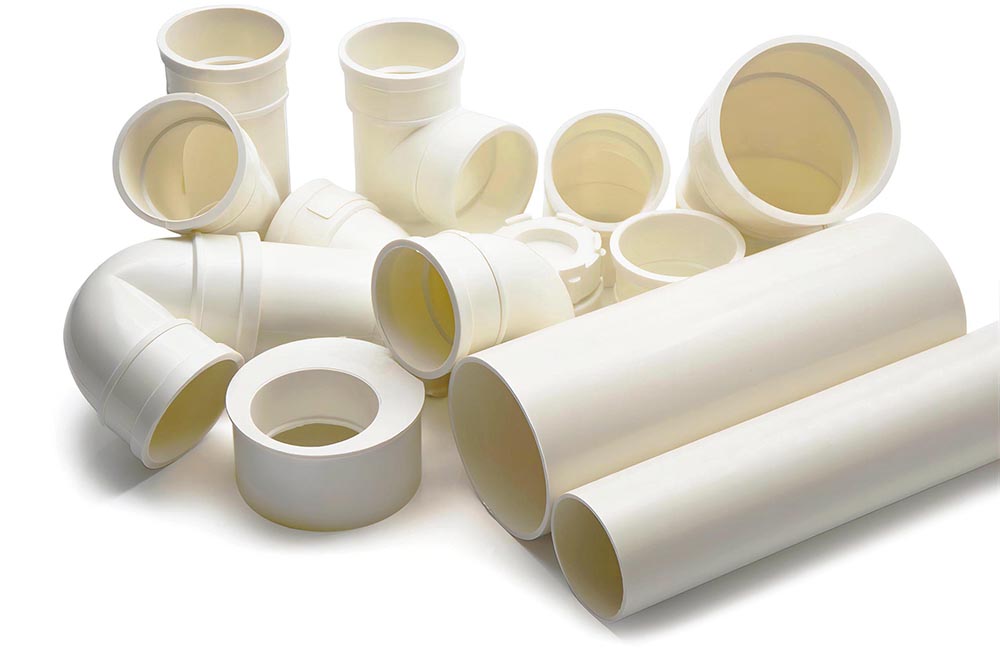
Core Advantages of Calcium-Zinc Stabilizers for High-Speed Extrusion
Professional calcium-zinc stabilizers are specially formulated for high-shear, high-temperature continuous extrusion scenarios of PVC pipes. Different from ordinary stabilizer products on the market, they have balanced thermal stability, lubricity, and compatibility, perfectly adapting to the extreme working conditions of high-speed production lines. Their core advantages are mainly reflected in three aspects.
First, excellent initial thermal stability eliminates early discoloration. The biggest feature of high-speed extrusion defects is initial discoloration, which occurs within the first 5 to 10 minutes of production startup. Special calcium-zinc stabilizers contain efficient calcium-zinc composite active ingredients that can quickly neutralize the hydrogen chloride released by PVC during the initial heating stage, inhibit the catalytic degradation reaction, and maintain the pure white and uniform color of pipe products from startup to stable production. This completely solves the yellowing and fading problems that are common with ordinary stabilizers during line startup.
Second, long-term thermal resistance prevents continuous thermal degradation. High-speed extrusion requires long-term continuous operation of the production line, and the melt is always in a high-temperature and high-shear state. High-quality calcium-zinc stabilizers can form a stable protective layer on PVC molecular chains, continuously capture active free radicals, avoid chain oxidation and breakage, and ensure the stability of the melt plasticization state in long-term production. It effectively reduces defective products caused by thermal degradation and greatly lowers the scrap rate.
Third, excellent processing compatibility matches high-efficiency production. Professional calcium-zinc stabilizers are compatible with PVC processing additives such as internal and external lubricants, plasticizers, and impact modifiers. They can optimize the melt fluidity of PVC materials, reduce equipment friction heat generation, make extrusion pressure and output more stable, and avoid quality fluctuations caused by uneven melt conveying in high-speed operation.
Practical Operation Tips to Optimize High-Speed Extrusion with Calcium-Zinc Stabilizers
Simply replacing calcium-zinc stabilizers cannot maximize production benefits. Combined with actual production operation standards, the following practical suggestions can help manufacturers completely solve discoloration and degradation problems and further reduce production costs.
First, select targeted high-speed extrusion grade calcium-zinc stabilizers. Ordinary calcium-zinc products are only suitable for low- and medium-speed production lines. For high-speed pipe extrusion, it is necessary to choose special formulas with high initial whiteness and high thermal stability. Do not blindly use universal stabilizers to avoid incomplete improvement of discoloration defects.
Second, optimize the additive formula ratio reasonably. In the high-speed extrusion formula, appropriately reduce the proportion of single lubricant and maintain the matching balance between stabilizers and lubricants. Excessive external lubrication will cause uneven material plasticization, while insufficient lubrication will increase shear heat. The balanced formula can give full play to the thermal stabilization effect of calcium-zinc stabilizers.
Third, adjust extrusion parameters in a targeted manner. After replacing high-efficiency calcium-zinc stabilizers, appropriately fine-tune the temperature of each zone of the extrusion barrel, reduce local overheating, and cooperate with a stable feeding speed. Avoid excessive shear force caused by mismatched speed and temperature, and further eliminate hidden degradation risks.
Fourth, standardize material mixing and feeding operations. Uniform mixing of PVC resin, stabilizers, and other additives is the premise of stable product quality. Ensure sufficient mixing time and uniform mixing temperature to avoid local stabilizer deficiency caused by uneven material mixing, resulting in partial discoloration of products.
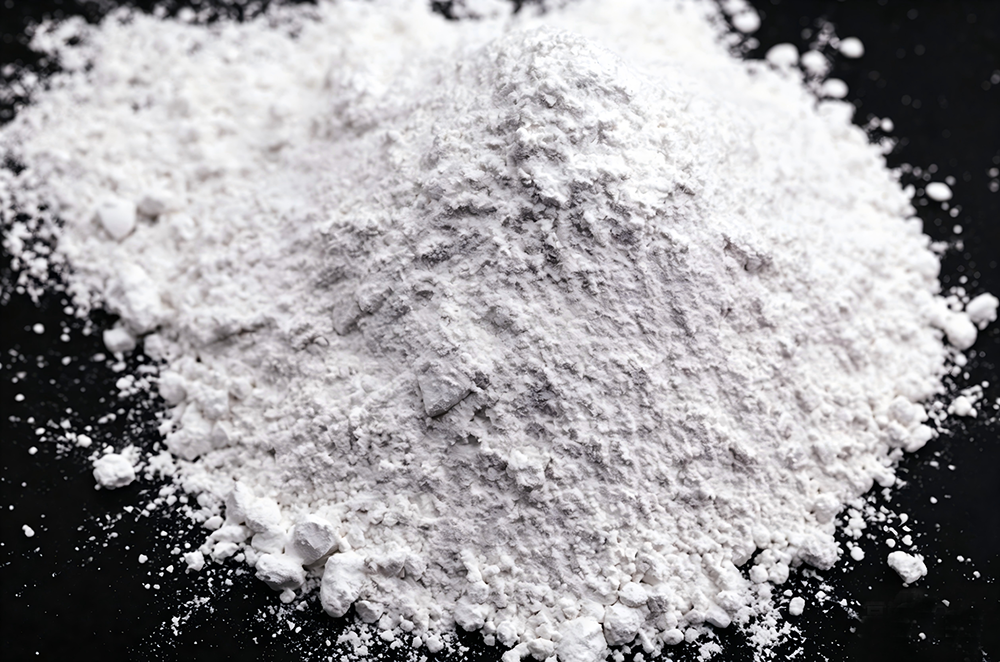
Q&A: Common Questions About Calcium-Zinc Stabilizers for High-Speed PVC Extrusion
Q1: Can calcium-zinc stabilizers completely solve the initial yellowing problem of high-speed PVC pipe extrusion?
A1: Yes. Professional high-speed extrusion-grade calcium-zinc stabilizers focus on optimizing initial thermal stability. They can quickly inhibit the initial degradation reaction of PVC melt under high shear and high temperature, effectively eliminating startup yellowing and surface discoloration. It is the most direct and effective solution for initial discoloration defects at present.
Q2: What is the cost difference between calcium-zinc stabilizers and traditional lead-based stabilizers?
A2: Although the unit price of high-quality calcium-zinc stabilizers is slightly higher than that of lead-based products, they can greatly reduce the product scrap rate, improve production line operating efficiency, and avoid quality loss caused by batch degradation. In addition, calcium-zinc stabilizers are environmentally friendly and meet global plastic product environmental protection standards, avoiding policy risks. The comprehensive production cost is significantly lower than that of traditional stabilizers.
Q3: Do I need to adjust the original production formula and equipment parameters after replacing calcium-zinc stabilizers?
A3: Large-scale adjustment is not required. Only fine-tuning the lubricant ratio and extrusion temperature parameters is needed according to the production line speed. Professional calcium-zinc stabilizers have strong compatibility with PVC compounding agents and can adapt to most existing PVC pipe extrusion formulas, with simple and convenient replacement operations.
Q4: Are calcium-zinc stabilizers suitable for all types of PVC pipes?
A4: Yes. Special calcium-zinc stabilizers for high-speed extrusion are applicable to water supply pipes, drainage pipes, threading pipes, and other hard PVC pipe products. They can maintain stable quality in high-speed continuous production and solve discoloration and degradation problems of all kinds of PVC pipe extrusion lines.
Initial discoloration and thermal degradation scrap in high-speed PVC pipe extrusion are not equipment failures but quality defects caused by mismatched stabilizer performance and production conditions. Replacing ordinary additives with professional calcium-zinc stabilizers is the most efficient and economical solution for manufacturing enterprises. It not only solves the core pain points of product discoloration and degradation, improves product yield and production efficiency, but also meets the requirements of green and environmentally friendly production.
For PVC pipe manufacturers pursuing high-efficiency and low-loss production, optimizing stabilizer selection and formula matching is a necessary step to upgrade production technology. With reasonable product selection and standardized operation, calcium-zinc stabilizers can maximize the production advantages of high-speed extrusion lines and create greater economic benefits for enterprises.
Post time: Jun-18-2026