

Exterior PVC window, door, and siding profiles operate in some of the harshest conditions in the construction sector. Continuous exposure to strong UV radiation, extreme temperature fluctuations, rainfall, and long-term oxidation gradually deteriorates raw PVC, triggering common manufacturing and on-site defects such as yellowing, surface chalking, reduced structural toughness, and premature failure. These issues lead to high rejection rates, frequent after-sales complaints, and damaged market reputation for profile manufacturers. While ordinary calcium zinc stabilizers work adequately for indoor PVC products, they lack the durability to withstand outdoor weathering.
Why Standard PVC Stabilizers Fail for Outdoor Window and Door Profiles
The core difference between indoor and exterior PVC profiles lies in long-term weather resistance requirements. Indoor decorative profiles only require basic thermal stability during extrusion, with minimal exposure to harsh environmental factors. In sharp contrast, exterior building profiles are required to maintain stable physical and chemical performance for 10 to 20 years of continuous outdoor service, which places extremely high demands on stabilizer performance.
Conventional calcium zinc stabilizers feature simple formulas designed mainly for processing lubrication and short-term thermal stability. They lack specialized UV absorbers, high-efficiency antioxidants, and weather-resistant modification components essential for outdoor use. When applied to exterior PVC profiles, these standard stabilizers fail to block UV-induced molecular degradation and cannot suppress long-term thermal oxidation. As a result, finished profiles rapidly develop noticeable flaws, including persistent yellowing, faded surface gloss, powdery peeling, and reduced impact resistance that causes cracking under repeated temperature changes. Such quality defects are unacceptable for architectural and residential exterior projects and often result in full product replacement and project losses.
Additionally, traditional lead-based stabilizers, though capable of providing reliable weather resistance, have been fully phased out in modern PVC production. Strict global environmental regulations mandate lead-free, low-toxic, eco-friendly auxiliary materials for construction products. Under this industry upgrade trend, high weathering calcium zinc stabilizers have become the only compliant, high-performance solution for mass production of exterior PVC profiles.
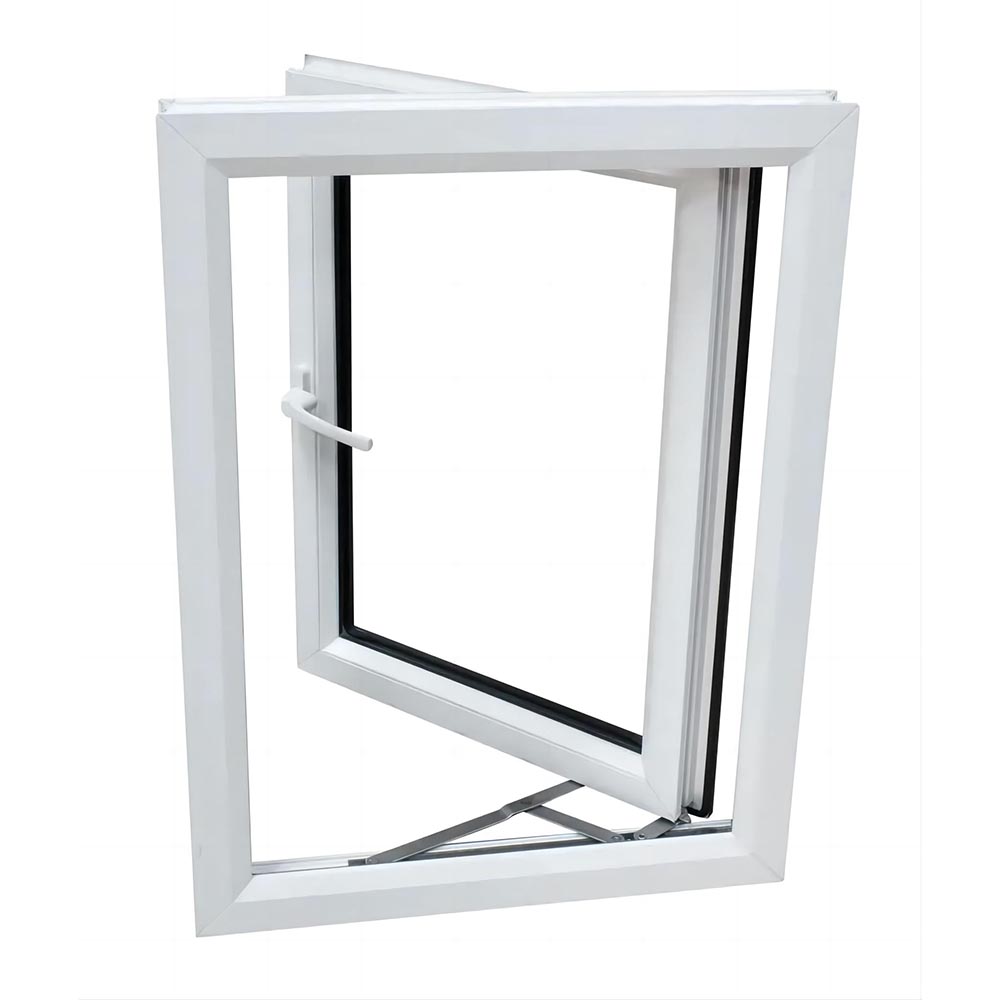
What Makes High Weathering Calcium Zinc Stabilizers Different
High weathering calcium zinc stabilizers are custom-formulated exclusively for exterior PVC building materials, covering window frames, door casings, exterior wall siding, and outdoor decorative profiles. Unlike universal-grade calcium zinc stabilizers that balance general performance, this upgraded composite formula prioritizes anti-UV aging, long-term oxidation resistance, and outdoor durability, while retaining stable, smooth extrusion processing performance.
The key formula upgrade lies in professional UV shielding components that absorb and reflect ultraviolet rays, effectively preventing PVC molecular chain breakage — the fundamental cause of profile aging and discoloration. The optimized antioxidant system restrains thermal oxidative degradation under prolonged high-temperature outdoor exposure, preserving critical mechanical properties including tensile strength and impact toughness. Meanwhile, its balanced internal and external lubrication system perfectly adapts to high-speed extrusion of large-size window and door profiles, delivering smooth molding, flawless surface finish, and zero precipitation or migration during long-term outdoor service.
All formulations comply with RoHS and international green construction standards with zero heavy metal residues. This not only meets global environmental certification requirements but also avoids common surface problems such as contamination and paint peeling caused by stabilizer migration, ensuring long-term aesthetic and structural stability of exterior profiles.
Core Performance Benefits for PVC Window and Door Profiles
Superior anti-discoloration performance is the most intuitive advantage of high weathering calcium zinc stabilizers. White and light-colored PVC window profiles are highly susceptible to visual aging issues under outdoor conditions. Profiles produced with ordinary stabilizers turn visibly yellow within one to two years of installation, ruining the consistent aesthetic of building exteriors. In comparison, high weathering formulas significantly slow down yellowing and aging, maintaining uniform color and surface gloss for over a decade, even in high-UV coastal and tropical regions.
These professional stabilizers also deliver outstanding long-term structural durability. Outdoor PVC profiles endure year-round harsh conditions, including freeze-thaw cycles, high-temperature exposure, and rain erosion. Stabilizer failure directly leads to profile brittleness, edge cracking, and loose assembly gaps. High weathering calcium zinc stabilizers provide continuous molecular structure protection under persistent weathering pressure, enabling profiles to maintain stable toughness, hardness, and dimensional consistency throughout their service life.
For profile manufacturers, this upgraded stabilizer also brings tangible production benefits. Its consistent thermal stability eliminates defective products caused by local overheating and PVC decomposition during extrusion. The uniform lubrication system reduces mold adhesion and frequent mold cleaning, improving finished product yield, lowering production downtime, and cutting overall costs caused by reworking aging-defective profiles.
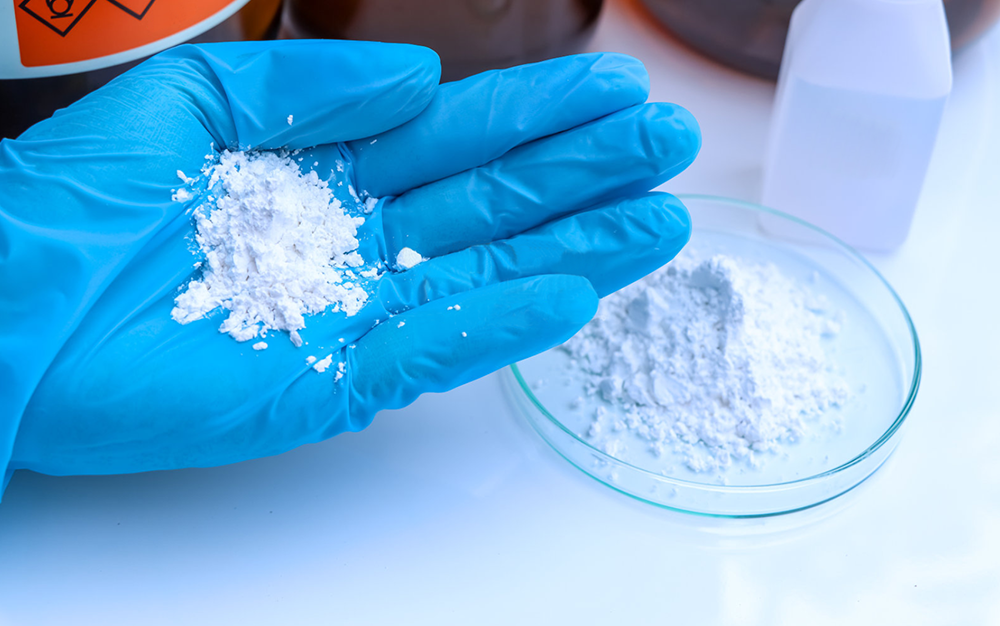
Key Application Scenarios for High Weathering CaZn Stabilizers
This professional weather-resistant stabilizer serves high-standard exterior PVC building material scenarios. It is the ideal additive for PVC casement window profiles, sliding door frames, and integrated door and door-window assembly profiles. It also fits perfectly for exterior wall siding, outdoor decorative grooved profiles, and large architectural PVC components that require long-term outdoor weather resistance.
It is highly recommended for products supplied to high-temperature, strong-UV, and high-humidity regions where standard stabilizers fail to meet project acceptance criteria. For engineering projects with long-term quality warranties and high-end residential exterior supporting facilities, high weathering calcium zinc stabilizers effectively minimize after-sales maintenance risks and enhance product competitiveness in the eco-friendly building materials market.
Professional Selection and Usage Tips for Manufacturers
To fully leverage weather resistance performance and optimize production efficiency, manufacturers must select stabilizers based on actual application scenarios rather than adopting universal formulas blindly. Dedicated high weathering grade stabilizers are mandatory for fully exposed outdoor window and door profiles, while standard calcium zinc stabilizers can be applied to indoor decorative auxiliary profiles to control production costs reasonably.
Precise formula matching is critical for high-quality finished products. Light-colored and white PVC profiles with strict aesthetic standards require customized high anti-yellowing stabilizer grades to prevent long-term fading and yellowing. For coastal areas characterized by salt spray, high humidity, and intense ultraviolet radiation, enhanced weather-resistant formulas with anti-corrosion auxiliary ingredients are the best choice to adapt to harsh marine climates.
During formal extrusion production, avoid arbitrary addition of incompatible auxiliary agents. Unreasonable formula combinations will weaken the UV shielding and anti-aging capabilities of high weathering stabilizers, and may trigger surface blooming, material precipitation, and uneven profile surfaces. Following professional proportioning standards ensures coordinated performance of thermal stability, weather resistance, and lubrication, achieving an optimal balance between premium product quality and controlled production costs.
Frequently Asked Questions
Q: Is high weathering calcium zinc stabilizer necessary for PVC window profiles?
A: Yes, it is essential for all outdoor exposed PVC window and door profiles. Standard calcium zinc stabilizers only offer basic thermal stability for extrusion processing and cannot withstand long-term UV radiation and outdoor weathering. High weathering grades effectively prevent common exterior defects including yellowing, surface chalking, and structural cracking, ensuring long-term product reliability.
Q: Can high weathering CaZn stabilizers completely replace traditional lead stabilizers?
A: Absolutely. Modern high weathering calcium zinc stabilizers deliver comparable or superior thermal stability and outdoor weather resistance compared to traditional lead-based products. Meanwhile, they are fully lead-free, environmentally compliant, and meet RoHS and global green building standards, making them the perfect upgraded replacement for eco-friendly PVC profile production.
Q: Will weather-resistant stabilizers affect PVC profile extrusion processing?
A: No. Qualified high weathering calcium zinc stabilizers feature a scientifically balanced internal and external lubrication system that is highly compatible with conventional PVC extrusion equipment and processing parameters. It supports stable high-speed molding without causing mold fouling, material precipitation, or surface defects on finished profiles.
Q: How much service life can high weathering stabilizers extend for exterior PVC profiles?
A: With correct formula matching and standardized production, these professional stabilizers effectively suppress long-term aging and failure of outdoor PVC materials. They extend the outdoor service life of PVC window and door profiles from the original 3–5 years to over 15 years, significantly reducing after-sales repair, replacement, and overall project maintenance costs.
Post time: Jul-27-2026