

Many PVC product manufacturers targeting US and European markets face recurring compliance headaches. Even with finished product testing certificates, batches still fail customs inspection or get rejected by buyers due to non-compliant PVC stabilizers. Most compliance issues do not stem from flawed production processes, but from overlooked details in stabilizer selection, migration test standards, and heavy metal limit differences between FDA and EU regulations.
Food grade PVC stabilizers are the core functional additives that guarantee the food contact safety of PVC cling film, food packaging sheets, and drinking water pipelines. Unlike general-purpose industrial stabilizers, food contact grade variants must undergo strict toxicology testing and comply with region-specific regulatory standards.
Why Stabilizer Compliance Determines PVC Food Contact Eligibility
PVC resin itself features stable physical properties and wide applicability in food contact products, but the thermal stabilizers added during processing directly affect its safety performance. Ordinary lead-based, cadmium-based heavy metal stabilizers deliver excellent stabilizing effects but are completely prohibited for food contact scenarios globally due to persistent toxicity and migration risks.
For food grade PVC products, the stabilizer’s purity, heavy metal residual volume, and high-temperature migration stability become the core inspection indicators. Regulators and overseas buyers no longer only test finished product safety; they trace compliance back to raw material additives. This means only FDA and EU-approved stabilizer systems can support long-term, qualified export of PVC food contact products.
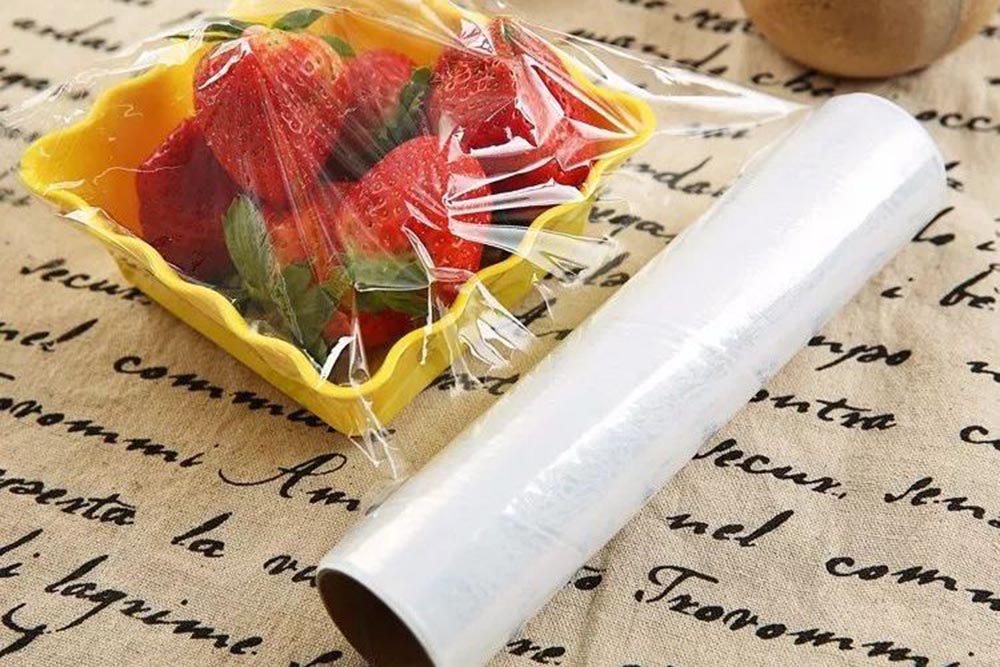
Three mainstream PVC food contact scenarios have differentiated compliance priorities based on actual service conditions. Food packaging PVC materials that contact acidic, oily, and high-temperature food require strict control of total migration volume. Transparent food cling films demand ultra-high stabilizer purity to avoid precipitation and turbidity. PVC beverage pipes focusing on long-term water immersion scenarios prioritize long-term stable anti-migration performance of stabilizers.
Practical FDA Compliance Rules for Food Grade PVC Stabilizers
US food contact PVC product compliance follows FDA 21 CFR Part 177 and 178 regulations, with clear and enforceable requirements for permissible stabilizer types, heavy metal limits, and migration test conditions. Different from vague industry conventions, FDA rules specify quantifiable indicators suitable for batch production and export inspection.
In terms of material permission, FDA only allows non-toxic stabilizer systems including calcium zinc stabilizers and approved organotin stabilizers for food contact PVC production. All heavy metal stabilizers containing lead, cadmium, mercury, and hexavalent chromium are explicitly banned, with zero tolerance for residual trace heavy metals in finished additives.
For migration testing, FDA classifies test standards by food simulation media and service temperature. Aqueous food, acidic food, and fatty food correspond to different solvent simulation environments. Stabilizer precipitation volume under low-temperature storage and high-temperature heating conditions must both meet specified limits. Additionally, FDA sets clear maximum dosage limits for stabilizers in flexible PVC films for food contact, preventing excessive additive usage from causing potential safety hazards.
EU Food Contact Compliance Standards and Practical Requirements
The EU adopts a stricter and more comprehensive compliance system for food grade PVC stabilizers, centered on EU 10/2011 plastic food contact material regulations, supplemented by REACH and RoHS restrictive provisions. Compared with FDA standards, EU rules impose tighter limits on heavy metal residues and trace substance migration, becoming the main threshold for high-end European market access.
EU compliance inspection focuses on two core dimensions: total migration and specific substance migration. The total migration volume of stabilizers under extreme use conditions must not exceed the standard threshold, and restricted substances such as phthalate plasticizers and residual toxic monomers in stabilizers must meet REACH candidate list requirements. For PVC beverage pipes and long-cycle food packaging materials, the EU requires accelerated aging migration tests to verify stabilizer stability during long-term service.
It is worth noting that EU customs and market supervision conduct random sampling of raw material additives in addition to finished product testing. Even if finished products pass inspection, unqualified stabilizer batches will lead to product recalls and supplier qualification records, bringing long-term negative impacts on export business.
Key Compliance Differences and Practical Selection Advice
Most manufacturers confuse FDA and EU standards, resulting in redundant testing or insufficient compliance. In actual export operations, US market compliance focuses on formula legitimacy and basic heavy metal prohibition, while EU markets emphasize trace substance control and long-term stability verification.
For manufacturers exporting to both markets, adopting dual-certified food grade PVC stabilizers is the most cost-effective solution. Qualified calcium zinc stabilizer products can fully meet FDA 21 CFR and EU 10/2011 standards, featuring heavy metal-free, low migration, and high stability characteristics. For high-transparency cling film production, high-purity customized food grade stabilizers are recommended to avoid crystal points and precipitation while ensuring compliance. For beverage pipeline PVC materials, high-temperature and long-term anti-migration stabilizer formulas should be prioritized to adapt to continuous water contact scenarios.
The most common compliance mistake in the industry is focusing only on finished product test reports while ignoring stabilizer raw material certification. Many unqualified stabilizers meet basic physical indicators but fail trace migration tests, which become the hidden cause of export rejection. Regular supplier qualification review and raw material batch sampling testing are essential links to stabilize compliance quality.
Frequently Asked Questions
1. Are food grade PVC stabilizers universally compliant for both US and EU markets?
Not all universal products support dual-market access. Some stabilizers only meet basic FDA standards but fail EU strict trace migration and restricted substance tests. It is necessary to select stabilizers explicitly certified with both FDA 21 CFR and EU 10/2011 compliance.
2. Do PVC cling films and food packaging require different stabilizer formulas?
Yes. Cling films require high-purity, high-transparency stabilizers with strict limits on precipitation particles to ensure surface clarity and food contact safety. General food packaging PVC materials prioritize balanced stability and cost control with relatively loose transparency requirements.
3. Why do qualified finished products still fail EU market inspection?
EU supervision traces safety risks to raw material additives. Finished product qualification cannot cover stabilizer non-compliance risks. Unqualified stabilizer residues and trace migration will trigger inspection failure even if finished product indicators are normal.
4. Are calcium zinc stabilizers fully safe for food contact PVC products?
Food grade calcium zinc stabilizers approved by FDA and EU are non-toxic and compliant, suitable for all food contact PVC scenarios. Industrial-grade calcium zinc stabilizers contain impurity residues and are strictly prohibited for food contact applications.
5. How often should manufacturers update stabilizer compliance test reports?
EU and US food contact regulations are iterated irregularly. It is recommended to update raw material compliance reports every 1–2 years and conduct batch sampling tests for new production batches to avoid compliance failures caused by standard updates or formula adjustments.
Post time: Aug-03-2026