

The modern plastic processing industry relies heavily on PVC pipe manufacturing, which sustains strong market demand due to its outstanding mechanical properties, cost-effectiveness, and simple installation procedures. Even so, medium and large-scale PVC pipe manufacturers frequently encounter a stubborn production issue: initial material discoloration during extrusion and molding operations. Substandard surface discoloration directly devalues finished products, triggers large batch scrapping, and creates substantial raw material waste. It also undermines brand reputation and disrupts long-term partnerships with distributors and engineering clients. Most conventional universal PVC stabilizers feature fixed formulations that cannot adapt to fluctuating production parameters, varying processing temperatures, and inconsistent raw material quality. As a result, they fail to provide adequate early thermal protection even at standard dosage rates. In this context, customized calcium-zinc stabilizers have become a highly targeted, reliable solution to resolve early-stage discoloration across commercial PVC production lines.
Initial discoloration refers to pale yellowing, partial darkening, and uneven color tones that emerge right after pipe extrusion and before full cooling and shaping. Unlike long-term discoloration caused by outdoor aging and UV exposure, this early-stage defect occurs entirely during in-plant production and is easily detected by on-site operators in real time. Many production technicians attempt to fix the problem by over-dosing standard composite PVC stabilizers or arbitrarily adjusting processing temperatures. However, these temporary workarounds often introduce more production flaws. Excessive stabilizer addition increases operational costs, weakens material plasticization, and compromises the hardness and pressure resistance of finished pipes. Unregulated temperature adjustments cause unstable extrusion speeds, irregular pipe wall thickness, and frequent equipment downtime, greatly reducing overall production efficiency.
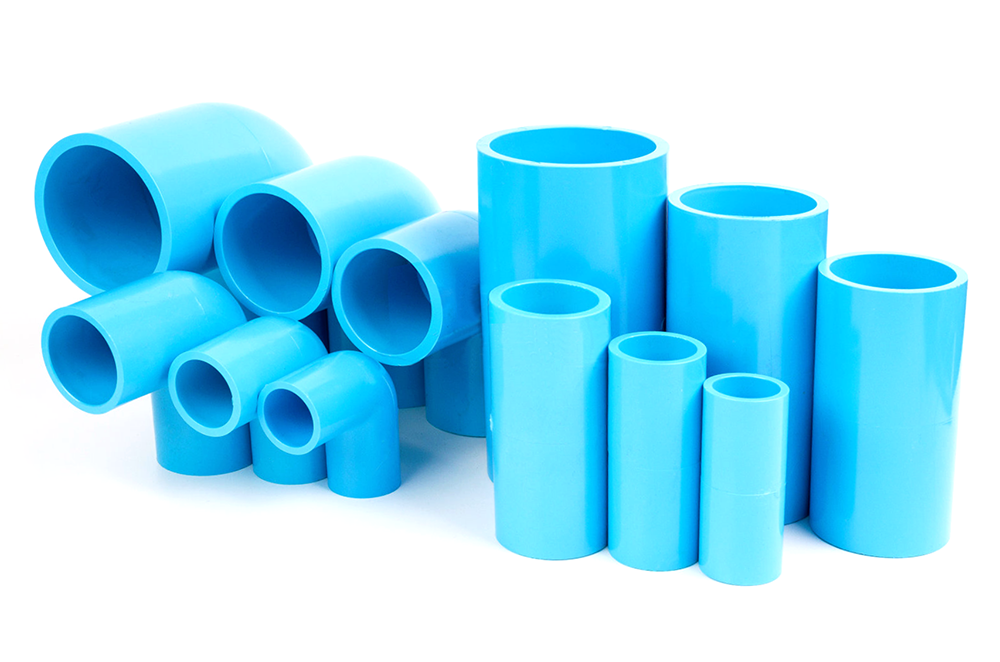
Generic PVC stabilizers struggle to eliminate early discoloration fundamentally due to inflexible component ratios and limited single-dimensional thermal resistance mechanisms. Mass-produced standard calcium-zinc stabilizers adopt universal fixed formulas designed for general PVC products, without targeted optimization for the high-speed, high-temperature extrusion conditions unique to PVC pipe manufacturing. Factories regularly switch resin batches, lubricant types, and processing additives, which breaks the chemical balance of standard stabilizer systems. This imbalance leads to insufficient early thermal stabilization. When heated rapidly, PVC molecular chains decompose and generate reactive free radicals, causing localized surface yellowing and discoloration. Furthermore, aging equipment, worn extruder screws, and inefficient cooling systems worsen the issue, proving that generic one-size-fits-all stabilizers cannot replace formula-tailored customized solutions.
Customized calcium-zinc stabilizers break away from rigid universal formulations and deliver personalized formula calibration based on each manufacturer’s unique production environment. Professional stabilizer suppliers first collect comprehensive on-site data, including daily production capacity, extrusion temperature ranges, auxiliary material specifications, pipe dimensions, and the severity of existing discoloration problems. Technical teams then fine-tune calcium and zinc salt proportions, integrate high-efficiency thermal resistant agents, and optimize internal and external lubricant compatibility to enhance instant thermal protection during the critical initial heating phase. Compared with traditional metal soap-based PVC stabilizers, customized formulations quickly capture free radicals generated in early heating stages, suppress yellowing chemical reactions, and maintain a consistent, clean white surface throughout the entire extrusion and molding workflow.
In practical industrial production, customized calcium-zinc stabilizers work synergistically with mainstream processing auxiliaries and other functional PVC stabilizers to build a complete multi-level thermal protection system. When combined with eco-friendly barium zinc stabilizers, they significantly improve medium-temperature anti-discoloration performance, making them ideal for thick-walled, large-diameter drainage pipes that require prolonged plasticization periods. Compatibility with high-efficiency liquid composite stabilizers enhances material dispersion uniformity, preventing stabilizer agglomeration and sporadic partial discoloration on pipe surfaces. Cooperating with professional auxiliary thermal stabilizer additives further extends continuous stable production cycles, reduces color deviation during long-hour uninterrupted operation, and supports stable mass production of high-appearance-quality PVC pipes.
Manufacturers seeking to completely resolve early discoloration and upgrade their stabilizer systems can follow these practical, actionable guidelines. First, avoid blind over-dosing of generic stabilizers. Instead, systematically record discoloration occurrence times, affected pipe specifications, and real-time process parameters to support accurate customized formula development. Second, cooperate with qualified stabilizer manufacturers with rich customization experience and conduct small-batch machine trials. Verify surface appearance, plasticization effect, and physical performance under actual production conditions to confirm discoloration is fully eliminated before bulk procurement. Third, after adopting customized calcium-zinc stabilizers, apply minor adjustments to lubricant ratios while maintaining stable feeding speed and temperature parameters to maximize stabilization performance. Fourth, implement strict incoming quality inspection standards for PVC resin and auxiliary materials to reduce raw material fluctuations and ensure long-term stable stabilizer efficacy.
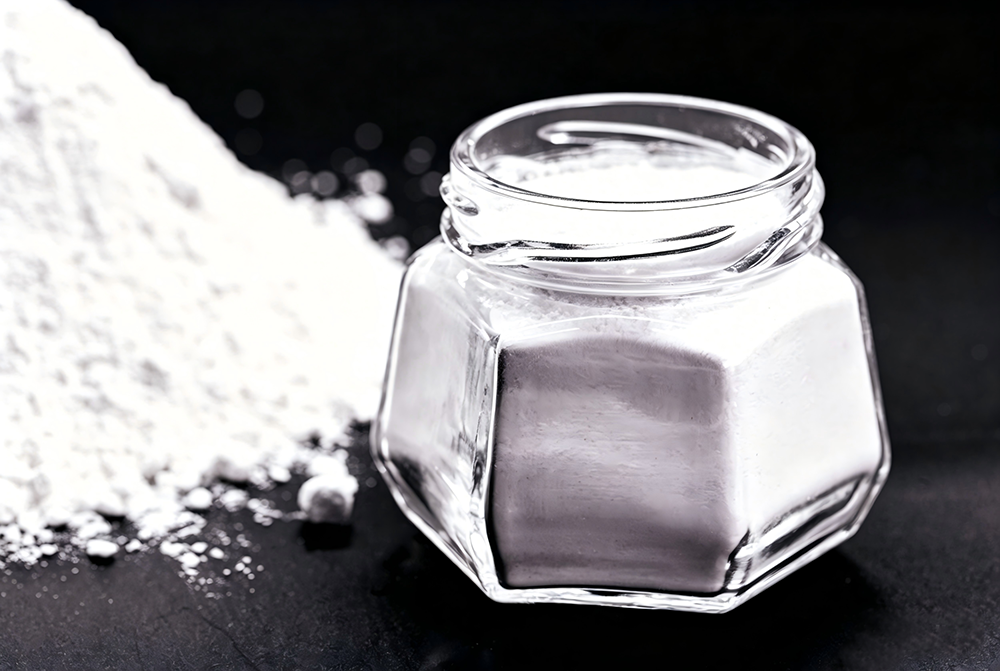
Practical production verification from multiple PVC manufacturers proves that customized calcium-zinc stabilizers thoroughly eradicate early yellowing and uneven discoloration while bringing tangible economic and operational benefits. In terms of quality control, the yield of high-standard flawless pipes increases greatly, helping enterprises win high-value engineering orders and improve market competitiveness. In terms of cost control, tailored formulas work efficiently at standard dosages, reducing auxiliary material costs and avoiding economic losses caused by defective product scrapping. In daily production management, stable color consistency reduces frequent parameter adjustments, lowers equipment failure rates, and improves overall workshop production efficiency. In the current highly competitive PVC pipe market, stable product appearance and reduced production waste have become key advantages for sustainable enterprise development.
The degree of formula customization required varies according to factory production scale and product richness. Small-scale factories with single pipe specifications and stable raw material supply chains can adopt optimized conventional calcium-zinc stabilizers to control basic early discoloration. In contrast, large-scale manufacturers with diversified product lines and complex multi-formula production processes need exclusive customized formulas to cope with variable processing conditions and avoid recurring color defects. Regardless of factory scale, solving early discoloration through targeted stabilizer formula optimization is the most fundamental, effective, and long-term solution, far superior to temporary process adjustments.
With global plastic processing environmental standards becoming increasingly stringent, high-efficiency, low-toxic, eco-friendly PVC stabilizers have become the core development trend of the industry. Traditional high-toxic, high-pollution stabilizer products are gradually phased out worldwide. With targeted performance and excellent environmental adaptability, customized calcium-zinc stabilizers are continuously expanding their market share. For PVC pipe manufacturers, adopting tailored stabilizer solutions to solve early discoloration problems can not only standardize internal quality management systems but also create solid conditions for long-term stable operation and market expansion.
Q&A
Q: What is the main cause of initial discoloration during PVC pipe production?
A: The core cause is insufficient early thermal stabilization provided by generic PVC stabilizers. High-temperature extrusion accelerates the thermal decomposition of PVC molecular chains and produces active free radicals. Unmatched stabilizer formulas and inconsistent raw material quality further aggravate surface yellowing and uneven coloration of semi-finished pipes.
Q: Can customized calcium-zinc stabilizers completely eliminate early PVC pipe discoloration?
A: Yes. Customized formulas developed based on real production parameters can effectively suppress early thermal decomposition reactions, avoid color deviation during extrusion, and maintain uniform, clean surface color for finished PVC pipes stably.
Q: Will switching to customized calcium-zinc stabilizers alter original PVC production parameters?
A: No major modifications are needed. Manufacturers only require minor fine-tuning of lubricant proportions and feeding speed. All core mature production processes remain compatible and stable after replacement.
Q: What PVC products suit customized calcium-zinc stabilizers?
A: They are suitable for all rigid PVC pipe products, including water supply pipes, drainage pipes, electrical conduit pipes, and chemical conveying pipes. They adapt perfectly to both high-speed extrusion lines and standard conventional production lines.
Q: Do customized calcium-zinc stabilizers offer long-term cost advantages?
A: Yes. They effectively reduce defective product losses caused by discoloration, stabilize continuous production efficiency, avoid raw material waste from excessive stabilizer usage, and lower the overall comprehensive production cost in long-term mass production.
Post time: Jun-02-2026