

If you’re involved in the production, procurement, or quality control of PVC conveyor belts and industrial power transmission belts, you’ve likely faced recurring quality headaches that eat into profits and disrupt daily operations. Maybe your PVC belts crack after months of repeated flexing, turn yellow or brittle in high-temperature workshops, fail abrasion resistance tests far ahead of schedule, or perform inconsistently from batch to batch. More often than not, these issues aren’t rooted in flawed belt design or poor processing techniques—they stem from cutting corners on the quality of the PVC Stabilizer for Conveyor Belt, the critical additive that keeps PVC resin stable, durable, and fully fit for heavy industrial use.
PVC remains one of the most widely used materials for industrial belting thanks to its cost efficiency, solid wear resistance, and customizable physical properties, but its real-world performance is entirely dependent on high-quality, application-specific stabilizers. Unlike standard PVC products such as pipes or packaging, conveyor belts endure relentless, round-the-clock stress: continuous bending, constant friction, exposure to extreme temperatures, and occasional contact with oils, dust, or mild industrial chemicals. Generic PVC stabilizers simply can’t withstand these harsh operating conditions, which is why investing in and strictly controlling the quality of a dedicated PVC Stabilizer for Conveyor Belt is non-negotiable for crafting long-lasting, reliable industrial belting.
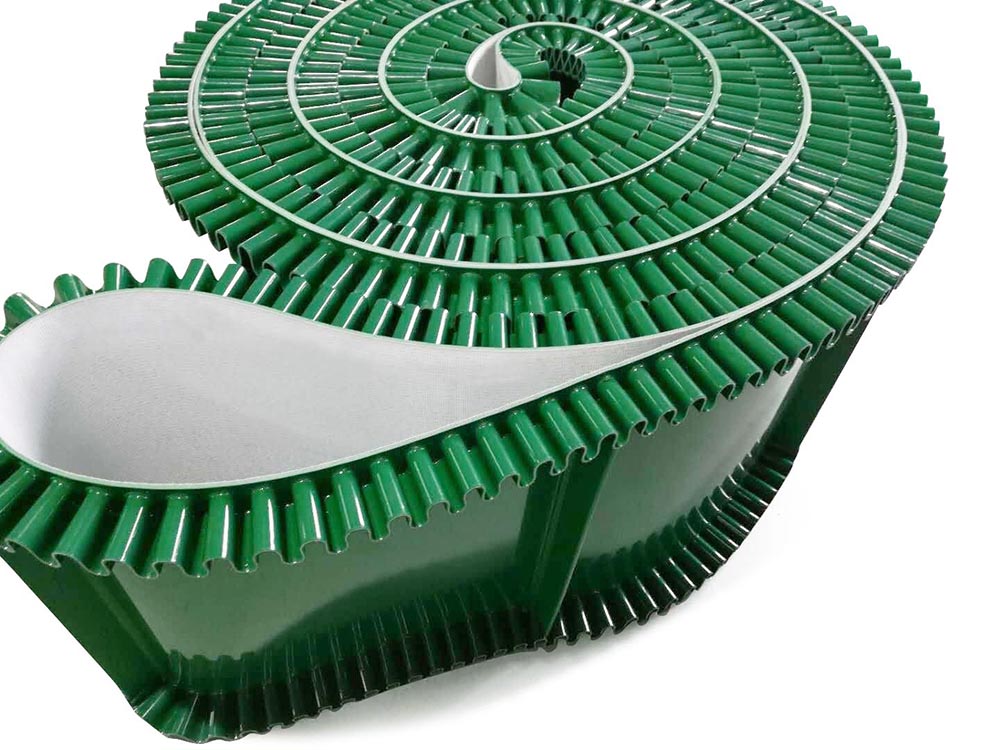
Key Traits of a High Quality PVC Stabilizer for Conveyor Belt
A subpar stabilizer will doom even the most well-designed conveyor belt to premature failure, while a premium, belting-specific PVC Stabilizer for Conveyor Belt enhances overall durability, processing efficiency, and end-use performance. To meet the rigorous demands of industrial belting, top-tier stabilizers must possess a set of non-negotiable characteristics, going far beyond the basic thermal stability required for standard PVC goods. Let’s break down the core qualities that define a truly reliable conveyor belt PVC stabilizer:
• Exceptional Thermal Stability: Conveyor belt production relies on high-temperature extrusion and calendaring processes, so the stabilizer must prevent PVC decomposition, unwanted discoloration, and molecular breakdown during manufacturing without hindering melt flow. This is where a quality heat-resistant PVC stabilizer stands out, maintaining resin integrity even under prolonged high-heat processing conditions.
• Superior Flex and Low-Temperature Toughness: Industrial belts are in constant motion, bending around pulleys and enduring repeated flexing every single day. A premium flexible PVC stabilizer preserves the PVC’s natural elasticity, preventing brittleness, surface cracking, and unwanted hardening—even in cold storage facilities or outdoor low-temperature operating environments.
• Long-Term Aging and Oxidation Resistance: Conveyor belts are built to deliver years of reliable service, so the stabilizer must resist oxidative degradation caused by sunlight, circulating air, and industrial pollutants. This vital anti-aging property ensures the belt retains its tensile strength and flexibility over its entire service life, steering clear of premature wear and tear.
• Excellent Compatibility and Dispersion: The stabilizer must mix uniformly with PVC resin, plasticizers, abrasion modifiers, and other belting additives. Poor dispersion creates weak spots across the belt, leading to uneven wear and early breakdown, a common and costly flaw in low-grade industrial grade PVC stabilizer products.
• Mild Chemical Resistance: For belting used in manufacturing, mining, or logistics settings, the stabilizer should withstand incidental contact with mild oils, greases, and industrial dust without leaching or breaking down the PVC matrix, preserving full belt integrity in real-world working conditions.
Common Troubles Caused by Low Grade PVC Stabilizer for Conveyor Belt
Many conveyor belt manufacturers underestimate the tangible impact of stabilizer quality, opting for cheap, generic alternatives to slash short-term costs—only to face steep, avoidable consequences down the line. These low-grade products lack the specialized properties of a dedicated PVC Stabilizer for Conveyor Belt, leading to persistent production and performance issues that hurt your bottom line and tarnish brand reputation. Here are the most prevalent problems directly linked to poor stabilizer quality:
1. Premature Physical Deterioration
The most visible and disruptive issue is early belt failure: low-quality stabilizers cannot resist flex fatigue or thermal stress, causing belts to crack, harden, or develop surface fractures after just a few months of regular use. This forces frequent, unplanned belt replacements, halts entire production lines, and drives up maintenance costs for your customers, who will quickly turn to more reliable suppliers for their belting needs.
2. Inconsistent Batch Quality
Cheap industrial grade PVC stabilizer products often feature inconsistent active ingredient ratios and purity levels, leading to wildly uneven belt performance from one batch to the next. One batch may produce durable, flexible belts that meet all standards, while the next yields stiff, brittle products that fail basic quality checks—creating relentless quality control nightmares and eroding hard-earned customer trust in your brand.
3. Processing Complications and Waste
Subpar stabilizers disrupt the entire PVC melting process, causing uneven flow, stubborn die buildup, or unsightly discoloration during extrusion. This leads to sky-high scrap rates, longer production cycles, and wasted energy, as faulty batches must be reworked or discarded entirely. The minimal initial cost savings of cheap stabilizers are quickly wiped out by these costly processing inefficiencies.
4. Failure to Meet Industry Standards
Industrial conveyor belts must adhere to strict durability, safety, and performance standards, and low-grade stabilizers make it nearly impossible to pass mandatory regulatory tests. Whether it’s failing thermal aging assessments, flex resistance checks, or chemical stability requirements, non-compliant belts cannot be sold to commercial or industrial clients, resulting in lost orders, wasted inventory, and missed business opportunities.
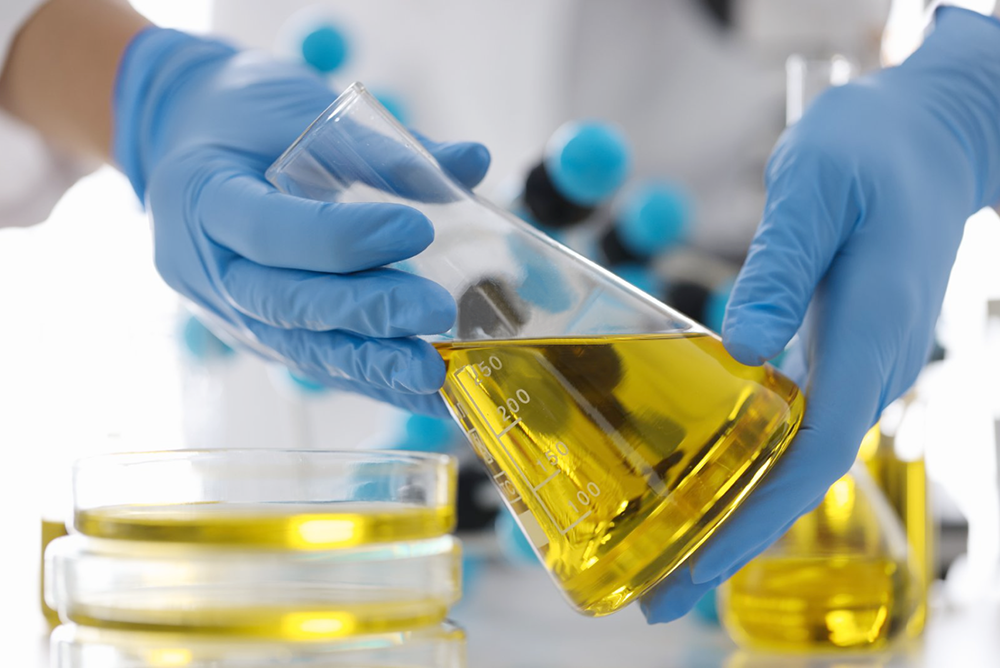
Practical Tips to Select and Control PVC Stabilizer for Conveyor Belt Quality
The good news is that all these frustrating issues are entirely avoidable with intentional stabilizer selection and straightforward quality control practices. You don’t need advanced lab equipment or overly complex processes to secure a high-quality PVC Stabilizer for Conveyor Belt—you just need to follow these actionable, industry-proven steps to make smart choices and verify quality effectively before full-scale production.
1. Prioritize Belting-Specific Stabilizers Over Generic Options
The first and most critical step is to reject generic PVC stabilizers entirely and source a dedicated PVC Stabilizer for Conveyor Belt formulated specifically for industrial belting applications. Look for suppliers that specialize in additives for flexible PVC products, particularly those with proven, verifiable experience in conveyor belt manufacturing. Avoid suppliers that market the same stabilizer for rigid PVC pipes and flexible belting—these one-size-fits-all products will never meet the unique performance demands of industrial conveyor belts. A specialized flexible PVC stabilizer or heat-resistant PVC stabilizer designed for dynamic, high-stress use is always worth the slight upfront premium.
2. Vet Suppliers Thoroughly and Request Test Data
Don’t rely solely on glossy supplier marketing claims—demand tangible, verifiable proof of quality. Reputable stabilizer manufacturers will readily provide detailed product data sheets (PDS) and third-party test reports, including thermal stability results, flex resistance data, aging test outcomes, and purity analysis. Ask for customer references from other conveyor belt producers to confirm the stabilizer’s real-world performance in actual production settings. Steer clear of suppliers that can’t provide verifiable test data or offer vague, incomplete product specifications.
3. Conduct In-House Pre-Production Testing
Before committing to a large stabilizer order, always run small-scale in-house tests to validate real-world performance. Mix the stabilizer with your standard PVC resin and processing additives, process a small batch of belting material, and conduct basic, practical assessments: check for processing smoothness, visual discoloration, flex durability, and hardness levels. This simple, low-cost step lets you identify poor-quality stabilizers before they impact full-scale production, saving valuable time, materials, and money.
4. Implement Batch Consistency Checks
Even with a trusted, established supplier, batch-to-batch consistency can slip unexpectedly, so implement routine incoming quality checks for every single stabilizer shipment. Verify key metrics like purity, particle size (for powder stabilizers), and active ingredient content to ensure each batch matches your pre-approved sample perfectly. Document all test results for full traceability, and reject any batches that don’t meet your strict quality thresholds without exception.
5. Optimize Stabilizer Dosage for Your Belting Formula
Using the correct dosage of PVC Stabilizer for Conveyor Belt is just as important as selecting a high-quality product. Too little stabilizer won’t provide adequate protection against heat and wear, leading to rapid degradation, while over-dosage wastes money and can negatively impact belt flexibility and processing flow. Work closely with your supplier to determine the optimal dosage for your specific formula, taking into account your production temperatures, belt thickness, and intended industrial use case. Fine-tune dosage based on in-house testing to strike the perfect balance between top-tier performance and cost efficiency.
Stabilizer Selection for Different Conveyor Belt Uses
To simplify your decision-making process and streamline sourcing, here’s a practical table matching common conveyor belt applications to the most suitable type of PVC Stabilizer for Conveyor Belt, helping you choose the right product for your specific operational needs:
|
Conveyor Belt Application |
Ideal PVC Stabilizer Type |
Key Quality Priorities |
|
High-Temperature Industrial Workshops |
Heat-Resistant PVC Stabilizer |
Superior thermal stability, anti-yellowing performance |
|
Cold Storage & Outdoor Low-Temperature Use |
Flexible PVC Stabilizer |
Low-temperature toughness, anti-cracking properties |
|
Heavy-Duty Mining/Manufacturing Belts |
Industrial Grade PVC Stabilizer |
Abrasion resistance, long-term aging stability |
|
General Logistics & Light Industrial Belts |
Balanced Conveyor Belt PVC Stabilizer |
Uniform dispersion, cost-effective performance |
Choosing a high-qualityPVC Stabilizer for Conveyor Belt and implementing consistent quality control isn’t just a short-term fix for recurring production issues—it’s a long-term investment in your business’s overall success. The upfront cost of premium stabilizers is easily offset by a range of tangible benefits that boost profitability and foster lasting customer loyalty.
First, you’ll see a significant reduction in scrap rates and production waste, as high-quality stabilizers ensure smooth, consistent processing with minimal defects and reworks. This cuts down on material costs and speeds up production timelines, allowing you to fulfill orders faster and take on more business without sacrificing quality. Second, your conveyor belts will boast a longer service life and more reliable performance, leading to happier customers who return for repeat orders and recommend your products to industry peers—building a strong, reputable brand image in the competitive industrial belting market.
Additionally, premium stabilizers help your products meet strict industry quality and safety standards, opening doors to larger commercial and industrial clients that require certified, high-performance belting for critical operations. You’ll also spend less time and resources on reactive quality control fixes and customer complaint resolution, freeing up your team to focus on product innovation, process improvement, and business growth rather than constant damage control.
In the competitive industrial conveyor belt industry, small, often overlooked details make a huge difference, and the PVC Stabilizer for Conveyor Belt is far more than just a minor additive—it’s the unshakable foundation of durable, high-performing belting. Cutting corners on stabilizer quality may seem like an easy way to save a little money upfront, but the hidden costs of premature belt failure, excessive production waste, and lost customers far outweigh any short-term savings.
By prioritizing belting-specific stabilizers, vetting suppliers rigorously, conducting simple pre-production quality checks, and optimizing dosage for your unique production needs, you can eliminate common stabilizer-related headaches entirely and produce conveyor belts that stand up to the harshest industrial conditions. Whether you’re producing heavy-duty manufacturing belts or light-duty logistics belts, investing in quality flexible PVC stabilizer, heat-resistant PVC stabilizer, or industrial grade PVC stabilizer products will drive consistent, reliable results and position your business as a trusted, go-to provider in the market.
Next time you review your stabilizer sourcing strategy, remember: the right PVC Stabilizer for Conveyor Belt isn’t an unnecessary expense—it’s a strategic investment in the quality, reliability, and long-term success of your conveyor belt production line. Taking the time to source, test, and validate these critical additives will not only elevate your end product but also strengthen your brand’s standing in the industrial belting sector, turning rigorous quality control into a clear competitive advantage for your business.
Post time: Apr-08-2026