

Polyvinyl chloride (PVC) stands as one of the most versatile polymers in the global plastics industry, finding its way into countless products from construction pipes to automotive interiors and food packaging films. Yet, this adaptability comes with a critical flaw: inherent thermal instability. When exposed to the high temperatures required for processing—typically 160–200°C—PVC undergoes autocatalytic dehydrochlorination, releasing hydrochloric acid (HCl) and triggering a chain reaction that degrades the material. This degradation manifests as discoloration, brittleness, and loss of mechanical strength, rendering the final product unusable. To address this challenge, heat stabilizers have become indispensable additives, and among them, Barium Zinc Stabilizers have emerged as a reliable, environmentally friendlier alternative to traditional toxic options like lead-based stabilizers. In this guide, we’ll unpack what Barium Zinc Stabilizers are, how they work, their different forms, and their specific applications in both rigid and flexible PVC formulations.
At their core, Barium Zinc Stabilizers (often referred to as Ba Zn stabilizer in industrial shorthand) are mixed metal soap compounds, typically formed by reacting barium and zinc with long-chain fatty acids like stearic or lauric acid. What makes these stabilizers effective is their synergistic action—each metal plays a distinct role in countering PVC degradation, and their combination overcomes the limitations of using either metal alone. Zinc, as a primary stabilizer, acts quickly to replace the labile chlorine atoms in the PVC molecular chain, forming stable ester structures that halt the initial stages of degradation and preserve the material’s early color. Barium, on the other hand, functions as a secondary stabilizer by neutralizing the HCl released during processing. This is crucial because HCl is a catalyst for further degradation, and barium’s ability to scavenge it prevents the chain reaction from accelerating. Without this synergistic pairing, zinc alone would produce zinc chloride (ZnCl₂), a strong Lewis acid that actually promotes degradation—a phenomenon known as “zinc burn” that causes sudden blackening of the PVC at high temperatures. Barium’s HCl-scavenging action eliminates this risk, creating a balanced system that delivers both excellent initial color retention and long-term thermal stability.
Barium Zinc Stabilizers are manufactured in two primary forms—liquid and powdered—each tailored to specific processing needs and PVC formulations. Liquid Ba Zn stabilizer is the more common choice for flexible PVC applications, thanks to its ease of blending and homogenization with plasticizers. Typically dissolved in fatty alcohols or plasticizers like DOP, liquid stabilizers integrate seamlessly into extrusion, molding, and calendering processes, making them ideal for products that require flexibility and consistent performance. They also offer advantages in terms of dosage accuracy and storage, as they can be easily pumped and stored in tanks. Powdered Barium Zinc Stabilizers, by contrast, are designed for dry processing environments, where they are incorporated during the compounding stage of rigid PVC production. These dry formulations often include additional components like UV stabilizers and antioxidants, enhancing their utility for outdoor applications by protecting against both thermal and UV degradation. The choice between liquid and powdered forms ultimately depends on the PVC type (rigid vs. flexible), processing method, and end-product requirements such as clarity, weather resistance, and low odor.
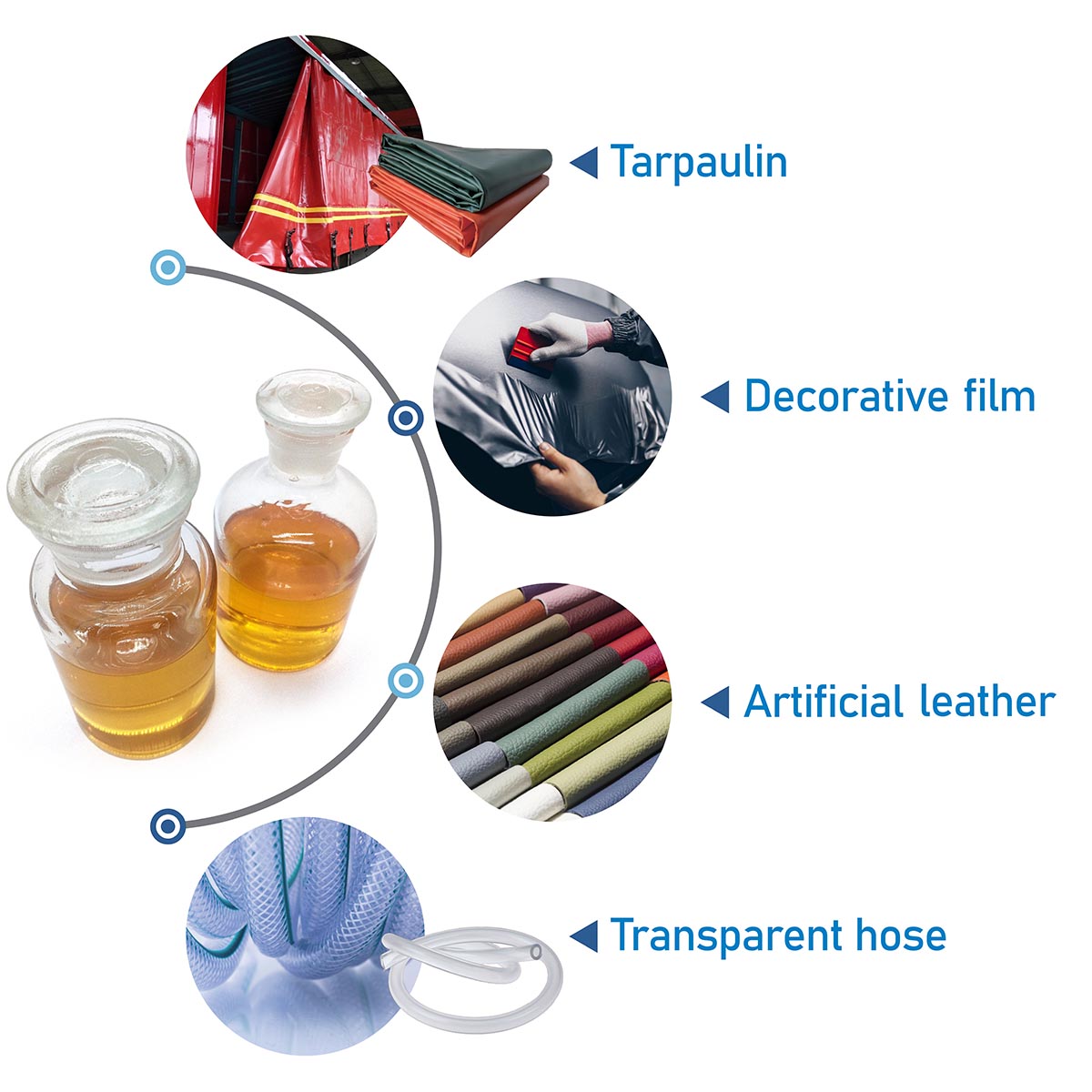
Understanding how Barium Zinc Stabilizers perform in both rigid and flexible PVC requires a closer look at the unique demands of each application. Rigid PVC, which contains little to no plasticizer, is used in products that require structural integrity and durability—think window profiles, plumbing pipes, soil and sewer pipes, and pressure pipes. These products are often exposed to harsh environmental conditions, including sunlight, temperature fluctuations, and moisture, so their stabilizers must provide long-term thermal stability and weather resistance. Powdered Barium Zinc Stabilizers are particularly well-suited here, as they can be formulated with UV protectants to prevent discoloration and loss of mechanical strength over time. In potable water pipes, for example, Ba Zn stabilizer systems replace lead-based alternatives to meet safety regulations while maintaining the pipe’s resistance to corrosion and pressure. Window profiles benefit from the stabilizer’s ability to preserve color consistency, ensuring that the profiles don’t yellow or fade even after years of exposure to sunlight.
Flexible PVC, which relies on plasticizers to achieve malleability, encompasses a wide range of products, from cable insulation and flooring to automotive interiors, wall coverings, and flexible tubing. Liquid Barium Zinc Stabilizers are the preferred choice in these applications due to their compatibility with plasticizers and ease of incorporation into the formulation. Cable insulation, for instance, requires stabilizers that can withstand the high temperatures of extrusion while providing excellent electrical insulation properties. Ba Zn stabilizer systems meet this need by preventing thermal degradation during processing and ensuring the insulation remains flexible and resistant to aging. In flooring and wall coverings—especially foamed varieties—Barium Zinc Stabilizers often act as activators for blowing agents, helping to create the desired foam structure while maintaining the material’s durability and printability. Automotive interiors, such as dashboards and seat covers, demand low-odor, low-VOC (volatile organic compound) stabilizers to meet strict air quality regulations, and modern liquid Ba Zn stabilizer formulations are engineered to address these requirements without compromising performance.
To appreciate the value of Barium Zinc Stabilizers, it’s helpful to compare them with other common PVC stabilizer types. The table below highlights key differences between Barium Zinc (Ba Zn) stabilizers, Calcium Zinc (Ca Zn) stabilizers, and Organotin stabilizers—three of the most widely used options in the industry:
|
Stabilizer Type |
Thermal Stability |
Cost |
Environmental Profile |
Key Applications |
|
Barium Zinc (Ba Zn) Stabilizer |
Good to Excellent |
Moderate (between Ca Zn and Organotin) |
Lead-free, low toxicity |
Rigid PVC pipes/profiles, flexible PVC cable insulation, flooring, automotive interiors |
|
Calcium Zinc (Ca Zn) Stabilizer |
Moderate |
Low |
Non-toxic, highly environmentally friendly |
Food packaging, medical devices, children’s toys |
|
Organotin Stabilizer |
Excellent |
High |
Some short-chain types have toxicity concerns |
High-performance rigid PVC (transparent sheets, cosmetic packaging) |
As the table illustrates, Barium Zinc Stabilizers occupy a middle ground that balances performance, cost, and environmental safety. They outperform Ca Zn stabilizers in thermal stability, making them suitable for applications where processing temperatures are higher or long-term durability is critical. Compared to Organotin stabilizers, they offer a more cost-effective solution without the toxicity concerns associated with some short-chain Organotin compounds. This balance has made Ba Zn stabilizer systems a popular choice in industries where regulatory compliance, performance, and cost-efficiency are all priorities—from construction to automotive manufacturing.
When selecting a Barium Zinc Stabilizer for a specific PVC application, several factors come into play. First, the ratio of barium to zinc can be adjusted to meet specific performance needs: higher barium content enhances long-term thermal stability, while higher zinc content improves initial color retention. Second, co-stabilizers such as epoxy compounds, antioxidants, and phosphites are often added to optimize performance, especially in outdoor or high-stress applications. Third, compatibility with other additives—including plasticizers, fillers, and pigments—must be considered to ensure the stabilizer doesn’t negatively impact the final product’s properties. For example, in transparent flexible films, a liquid Ba Zn stabilizer with low migration properties is essential to maintain clarity.
Looking ahead, the demand for Barium Zinc Stabilizers is expected to grow as the PVC industry continues to shift away from toxic alternatives and toward more sustainable solutions. Manufacturers are investing in new formulations that reduce VOC emissions, improve compatibility with bio-based plasticizers, and enhance performance in high-temperature processing. In the construction sector, the push for energy-efficient buildings is driving demand for rigid PVC products like window profiles and insulation, which rely on Ba Zn stabilizers to meet durability requirements. In the automotive industry, stricter air quality regulations are favoring low-odor Barium Zinc formulations for interior components. As these trends continue, Barium Zinc Stabilizers will remain a cornerstone of PVC processing, bridging the gap between performance, safety, and sustainability.
In conclusion, Barium Zinc Stabilizers are essential additives that enable the widespread use of both rigid and flexible PVC by addressing the polymer’s inherent thermal instability. Their synergistic action of barium and zinc provides a balanced combination of initial color retention and long-term thermal stability, making them suitable for a diverse range of applications. Whether in the form of liquid stabilizers for flexible PVC products like cable insulation and flooring or powdered stabilizers for rigid applications such as pipes and window profiles, Ba Zn stabilizer systems offer a cost-effective, environmentally friendly alternative to traditional stabilizers. By understanding their mechanism of action, product forms, and application-specific requirements, manufacturers can leverage Barium Zinc Stabilizers to produce high-quality PVC products that meet the demands of modern industries and regulations.
Post time: Jan-15-2026