

Ever stopped to think about what keeps the wires in your home, office, or car working safely—even when they’re coiled under hot roofs, buried underground, or jostled in daily use? The answer lies in a tiny but mighty component: PVC stabilizers. These unsung additives are the reason your electrical cables don’t melt, crack, or turn brittle over time. Let’s dive into why they’re non-negotiable for wires and cables, and which types stand out.
First: Why PVC Matters for Wires & Cables
PVC (polyvinyl chloride) is everywhere in wiring. It’s the flexible, durable insulation that wraps around copper wires, protecting them from moisture, heat, and physical damage. But here’s the catch: PVC is naturally unstable. When exposed to high temperatures (like from electrical current), UV rays, or even just time, it starts to break down. This breakdown releases harmful chemicals (like chlorine) and weakens the insulation—bad news when that insulation is all that stands between you and a short circuit or fire.
Enter PVC Stabilizers: The Protective Shield
Stabilizers are like bodyguards for PVC insulation. They:
Fight heat damage: Electrical wires generate heat, and stabilizers prevent PVC from melting or degrading when temperatures rise (think 70°C+ in a crowded junction box).
Resist UV rays: For outdoor cables (like those powering streetlights), stabilizers block sunlight to stop insulation from cracking or fading.
Stop brittleness: Over years of use, PVC can get stiff and crack. Stabilizers keep it flexible, even in cold garages or hot attics.
Maintain electrical safety: By preserving insulation integrity, they prevent short circuits, leaks, and electrical fires.
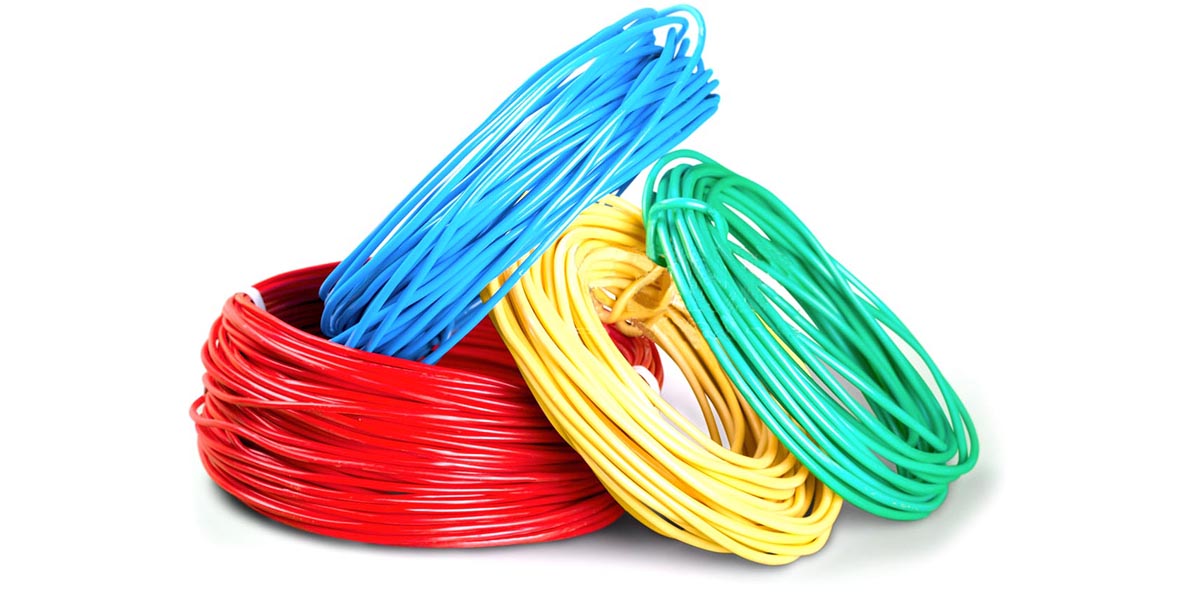
The Best Stabilizers for Wires & Cables
Not all stabilizers are up to the job. Here are the top picks for wiring:
1. Calcium-Zinc Stabilizers: Safe & Eco-Friendly
These are the gold standard for modern, safe wiring:
Non-toxic: Free of heavy metals (like lead or cadmium), they meet strict safety standards (REACH, RoHS) for indoor and outdoor use. Perfect for homes, schools, and hospitals where safety is key.
Heat & UV resistance: They handle moderate temperatures (up to 90°C) and outdoor exposure, making them great for residential wiring and low-voltage cables (like USB cords).
Easy to process: During manufacturing, they mix smoothly with PVC, ensuring insulation has no gaps or weak spots.
2. Barium-Zinc Stabilizers: Tough for High-Demand Cables
When wires need to handle extreme conditions, barium-zinc stabilizers step up:
High-temperature tolerance: They thrive in hot environments (105°C+), making them ideal for industrial cables, car wiring (under the hood), or high-voltage power lines.
Long-term durability: They resist aging, so cables last 20+ years even in harsh settings (like factories or desert climates).
Cost-effective: They balance performance and price, making them a favorite for large-scale projects (think power grids or commercial buildings).
3. Organic Tin Stabilizers: Precision for Critical Applications
These are used in specialized, high-performance cables:
Crystal-clear insulation: They keep PVC transparent, which is useful for fiber optic cables or medical wiring where visibility matters.
Ultra-low migration: They don’t leach chemicals, making them safe for sensitive settings (like medical equipment or food processing plants).
Note: They’re pricier than calcium-zinc or barium-zinc, so they’re reserved for niche uses.
What Happens If You Skimp on Stabilizers?
Choosing the wrong stabilizer (or too little of it) can lead to disaster:
Insulation cracks: Moisture seeps in, causing short circuits or electrical shocks.
Melting under heat: Cables in hot spots (like behind TVs) could melt, sparking fires.
Premature failure: Wires might need replacement in 5-10 years instead of 30+, costing time and money.
How to Spot Quality Stabilizers in Cables
When buying wires or cables, look for:
Certifications: Labels like “UL Listed” (U.S.) or “CE” (EU) mean the cable passed safety tests—including stabilizer performance.
Temperature ratings: Cables marked “90°C” or “105°C” use stabilizers built for heat.
Brand reputation: Trusted manufacturers (like Prysmian or Nexans) invest in quality stabilizers to avoid recalls.
Final Thought: Stabilizers = Reliable, Safe Wires
Next time you plug in a device or flip a light switch, remember: the PVC insulation around those wires owes its strength to stabilizers. Whether it’s calcium-zinc for your home or barium-zinc for industrial cables, the right stabilizer keeps electricity flowing safely—today, tomorrow, and for decades to come.
After all, when it comes to wires, “out of sight” shouldn’t mean “out of mind.” The best stabilizers work silently, so you never have to worry.
Post time: Dec-30-2025