

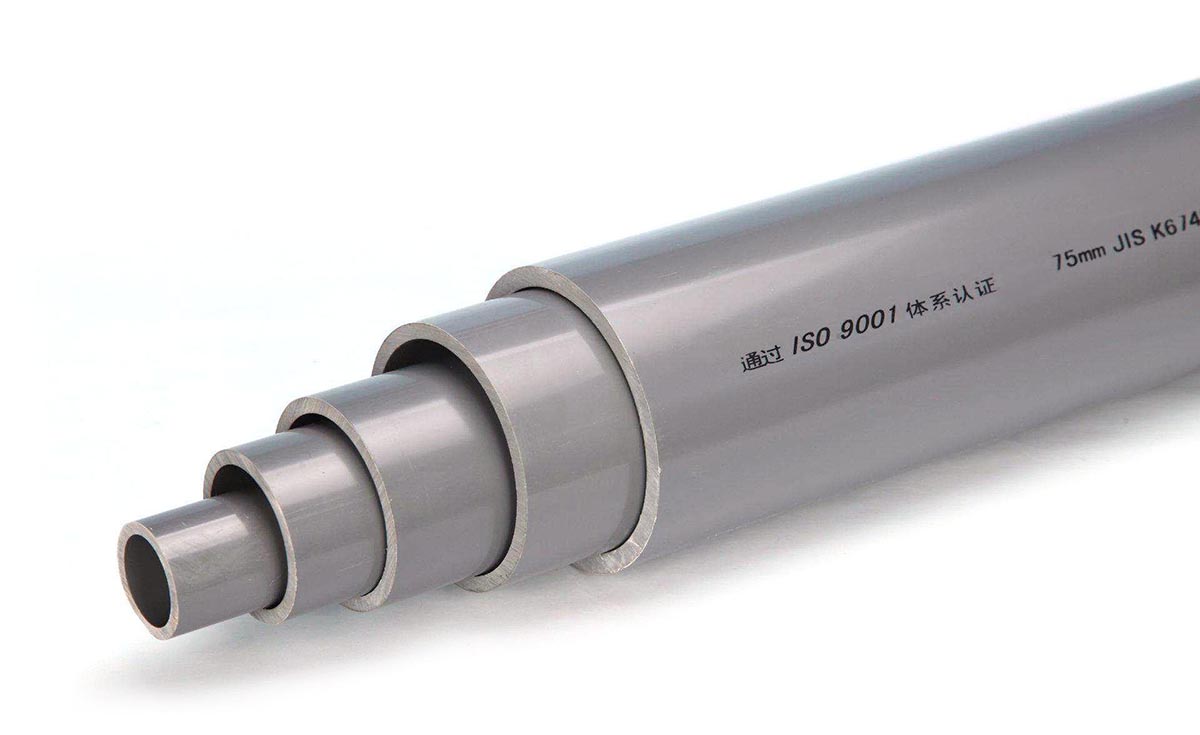
For PVC pipe manufacturers, the shift from traditional lead-based stabilizers to calcium zinc stabilizers has been a necessary but challenging transition. With stricter global environmental regulations and growing market demand for non-toxic products, Calcium Zinc Stabilizer for PVC Pipes has become the new industry standard. However, many producers struggle with issues like poor thermal stability, surface defects, and inconsistent processing performance when adopting this lead-free stabilizer. These problems not only compromise product quality but also drive up scrap rates and production costs.
Why Calcium Zinc Stabilizers Replace Lead-Based Options
Before diving into problem-solving, it’s critical to understand why the industry is moving away from lead-based stabilizers. Lead-based products offer excellent thermal stability and processing convenience, but their toxicity poses severe health and environmental risks. Most countries have banned lead in PVC pipes for drinking water, drainage, and construction applications. Calcium Zinc Stabilizer for PVC Pipes, as a green, non-toxic lead-free stabilizer, meets regulatory requirements while aligning with consumer demand for safe products. The challenge lies in overcoming the inherent limitations of calcium zinc formulations—primarily weaker thermal stability at high temperatures and sensitivity to processing parameters—without compromising production efficiency.
Common Production Pain Points & Practical Solutions
The biggest frustration with calcium zinc stabilizers is that they behave differently from lead-based alternatives in processing. Below are the top issues manufacturers encounter, along with step-by-step solutions to resolve them.
Pain Point 1: Insufficient Thermal Stability Leading to Degradation
PVC decomposes at temperatures above 160°C, and calcium zinc stabilizers typically have lower thermal stability than lead-based ones. This often results in pipe discoloration (yellowing or browning), brittle texture, and even cracking during extrusion. Many manufacturers try to compensate by increasing stabilizer dosage, which raises costs and causes other defects like blooming (white powder on the surface).
Solution: Optimize the stabilizer formula and processing temperature window. First, choose a composite Calcium Zinc Stabilizer for PVC Pipes that includes auxiliary heat stabilizers (such as antioxidants, epoxidized soybean oil, or β-diketones). These additives work synergistically to extend thermal stability—for example, epoxidized soybean oil enhances compatibility and reduces degradation, while β-diketones improve long-term heat resistance. Second, adjust the extrusion temperature: lower the barrel temperature by 5-10°C compared to lead-based processing, and increase the screw speed slightly to reduce residence time. For rigid PVC pipes, keep the melt temperature between 150-158°C; for flexible pipes, aim for 145-155°C. Finally, avoid overheating the feed zone—keep it below 100°C to prevent early PVC degradation.
Pain Point 2: Surface Defects (Blooming, Scratches, or Roughness)
Surface defects are a common issue with calcium zinc stabilizers, especially blooming (exudation of stabilizer components) and scratch marks. Blooming occurs when excess stabilizer or incompatible additives migrate to the pipe surface, affecting appearance and performance. Scratches and roughness often stem from poor lubrication, a key weakness of calcium zinc formulations compared to lead-based stabilizers.
Solution: Balance lubrication and stabilizer compatibility. First, select a lead-free stabilizer with built-in lubrication systems—many high-quality calcium zinc stabilizers integrate internal and external lubricants to reduce friction between PVC molecules and the extrusion equipment. Internal lubricants (like stearic acid) improve melt flow, while external lubricants (like polyethylene wax) prevent adhesion to the die. Second, avoid overusing external lubricants, which can cause blooming; instead, adjust the ratio of internal to external lubricants to 2:1 for rigid PVC pipes. Third, clean the extrusion die regularly—residues from degraded PVC or incompatible additives can cause scratches. For blooming issues, reduce stabilizer dosage by 5-10% and add a small amount of compatibilizer (like acrylic resin) to improve component dispersion.
Pain Point 3: Inconsistent Melt Flow and Extrusion Stability
Calcium zinc stabilizers can cause fluctuations in melt viscosity, leading to uneven pipe wall thickness, diameter variations, and unstable extrusion. This is particularly problematic for large-diameter PVC pipes, where consistency is critical. Many manufacturers attribute this to the stabilizer itself, but it’s often a result of improper processing parameter adjustment or raw material mismatch.
Solution: Fine-tune processing parameters and raw material matching. Start by adjusting the screw temperature profile—adopt a gradient temperature setting (low at the feed zone, gradually increasing to the die) to ensure uniform melting. For example, set the feed zone to 80-90°C, middle zones to 140-150°C, and die zone to 155-158°C. Second, optimize the screw speed and traction speed ratio—increase the screw speed gradually (by 5-10 rpm) and adjust the traction speed to match, ensuring consistent melt output. Third, control the moisture content of raw materials: PVC resin and calcium zinc stabilizers absorb moisture easily, which causes bubble formation and flow instability. Dry the resin at 80-90°C for 2-3 hours before processing, and store the Calcium Zinc Stabilizer for PVC Pipes in a dry environment with humidity below 60%.
Pain Point 4: Poor Impact Resistance and Mechanical Performance
PVC pipes processed with calcium zinc stabilizers sometimes show reduced impact resistance, making them prone to breaking during transportation or installation. This is often due to improper stabilizer selection or excessive degradation during processing, which weakens the PVC molecular structure.
Solution: Select the right stabilizer grade and enhance mechanical properties. First, choose a calcium zinc stabilizer tailored to your pipe type—for rigid PVC pipes (like UPVC drainage pipes), use a high-efficiency grade with impact modifiers; for flexible pipes, opt for a formulation with plasticizer compatibility. Second, add appropriate impact modifiers (such as CPE or ACR) at 8-12 phr to improve toughness. Note that some impact modifiers may affect thermal stability, so adjust the stabilizer dosage accordingly (increase by 10-15% when adding CPE). Third, avoid over-processing—excessive shear force from high screw speed can break PVC molecular chains, reducing impact resistance. Keep the screw speed within 30-50 rpm for rigid pipes.
Key Considerations for Choosing Calcium Zinc Stabilizers
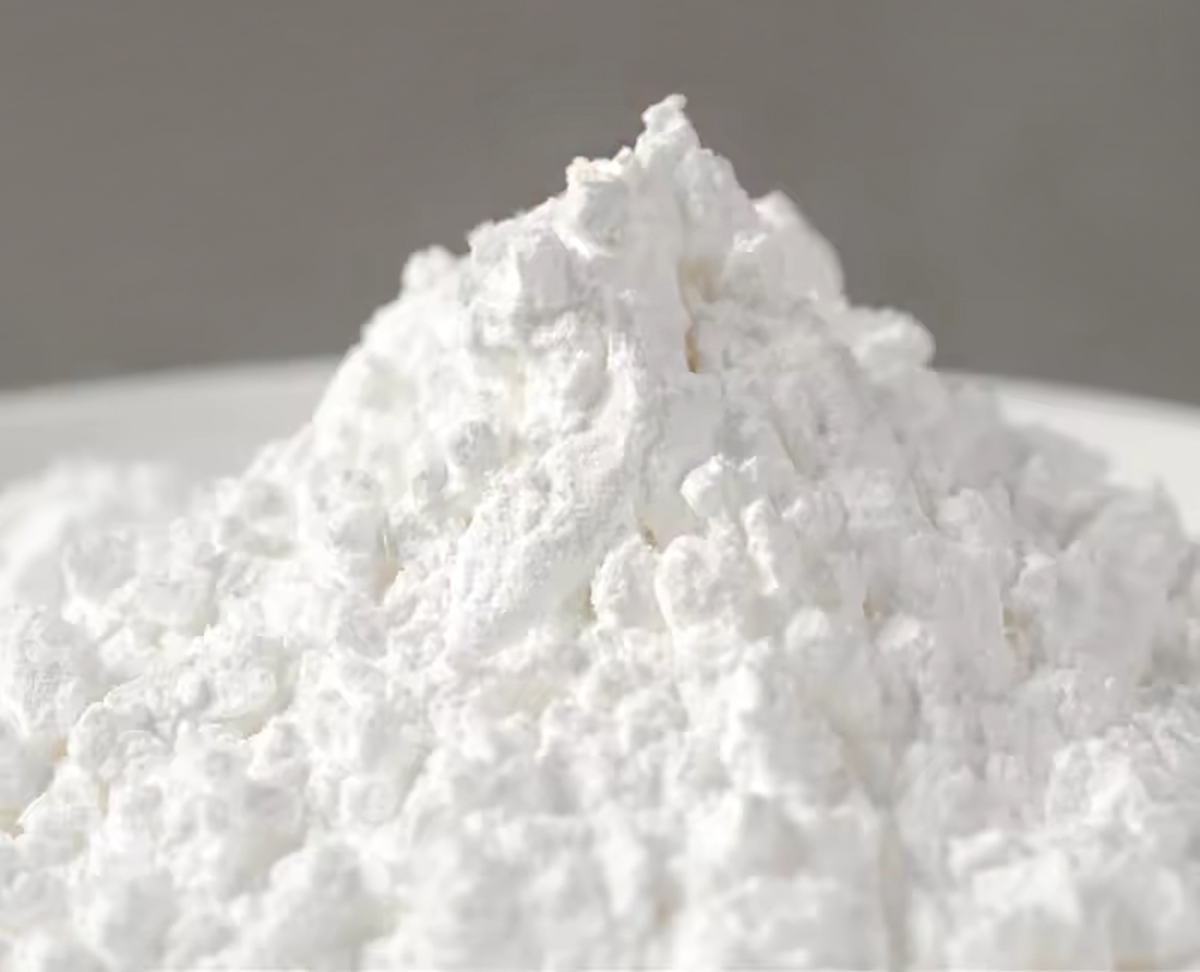
Not all Calcium Zinc Stabilizer for PVC Pipes are created equal. Choosing the right product is the first step to avoiding production issues. Here are three critical factors to consider:
1. Match the Stabilizer to Pipe Application
Different PVC pipes have different performance requirements. For drinking water pipes, select a food-grade lead-free stabilizer that meets NSF or GB/T standards, with low heavy metal content (lead, cadmium < 10 ppm). For drainage pipes, prioritize thermal stability and cost-effectiveness; for construction pipes, focus on impact resistance and weatherability. Avoid using a one-size-fits-all stabilizer for all pipe types.
2. Evaluate Compatibility with Other Additives
Calcium zinc stabilizers may interact with plasticizers, fillers, or pigments, leading to defects. Before mass production, conduct small-batch tests to check compatibility. For example, when using calcium carbonate fillers, choose a stabilizer with anti-scaling agents to prevent filler agglomeration. When adding pigments, opt for inorganic pigments (like titanium dioxide) that don’t react with calcium zinc components.
3. Prioritize Suppliers with Technical Support
Reputable stabilizer suppliers should provide technical guidance tailored to your production line. They can help adjust formulations, optimize processing parameters, and troubleshoot issues on-site. Avoid cheap, low-quality stabilizers—they may save costs upfront but lead to high scrap rates and quality problems.
Best Practices for Stable Production with Calcium Zinc Stabilizers
Beyond solving specific pain points, adopting these best practices will ensure long-term stability and efficiency:
• Conduct small-batch tests first: Before switching to a new Calcium Zinc Stabilizer for PVC Pipes, run 2-3 small-batch trials to test thermal stability, surface quality, and mechanical performance. Adjust parameters gradually until optimal results are achieved.
• Control raw material quality: Use high-purity PVC resin (K-value 55-65 for rigid pipes) and dry all materials to reduce moisture. Avoid mixing different batches of stabilizers, as this can cause performance inconsistencies.
• Regularly maintain equipment: Clean the extrusion screw, barrel, and die weekly to remove residual PVC and stabilizer deposits. Check the temperature sensors and pressure gauges to ensure accurate readings—temperature deviations of just 3-5°C can cause defects.
• Train operators: Ensure production staff understand the differences between calcium zinc and lead-based stabilizers. Train them to monitor for early signs of defects (like discoloration or uneven flow) and adjust parameters accordingly.
Making the switch to Calcium Zinc Stabilizer for PVC Pipes doesn’t have to be a painful process. By addressing thermal stability, lubrication, and processing consistency issues with the solutions outlined above, manufacturers can achieve the same (or better) production efficiency and product quality as with lead-based stabilizers. The key is to prioritize formulation optimization, parameter fine-tuning, and quality control—rather than relying on increasing stabilizer dosage or compromising on performance.
As environmental regulations continue to tighten, lead-free stabilizer adoption will only become more widespread. Producers who master calcium zinc stabilizer technology now will gain a competitive edge in the market, delivering safe, high-quality PVC pipes while keeping production costs in check. With the right approach, the transition can be smooth, efficient, and ultimately rewarding for both your business and the environment.
Post time: Feb-28-2026