

PVC has long been a staple material across industries—from construction pipes and automotive components to medical devices and food packaging—thanks to its durability, versatility, and cost-effectiveness. But for decades, the stability of PVC during processing and long-term use relied heavily on lead-based stabilizers, which came with severe environmental and health risks. Today, the shift to lead-free stabilizers for PVC is no longer a choice but a global mandate, driven by tightening regulations, growing sustainability demands, and technological advancements.
The Inevitable Shift from Lead-Based to Lead-Free Stabilizers
Lead-based stabilizers once dominated the PVC industry due to their low cost, excellent thermal stability, and compatibility with various PVC formulations. However, lead’s toxicity—from production emissions to end-of-life leaching into soil and water—has led to its gradual phase-out worldwide. The turning point came as scientific evidence linked lead exposure to neurological damage, developmental disorders, and environmental degradation, prompting governments and regulatory bodies to act decisively.
Today, lead-free stabilizers have become the backbone of eco-friendly PVC production, with market demand surging. According to industry data, the global eco-friendly PVC stabilizer market reached approximately $3.79 billion in 2025 and is projected to grow at a CAGR of 3.15% through 2032, reaching nearly $4.69 billion. This growth is not just regulatory-driven; downstream industries, from automotive to healthcare, are proactively adopting lead-free solutions to meet consumer expectations for safer, more sustainable products.
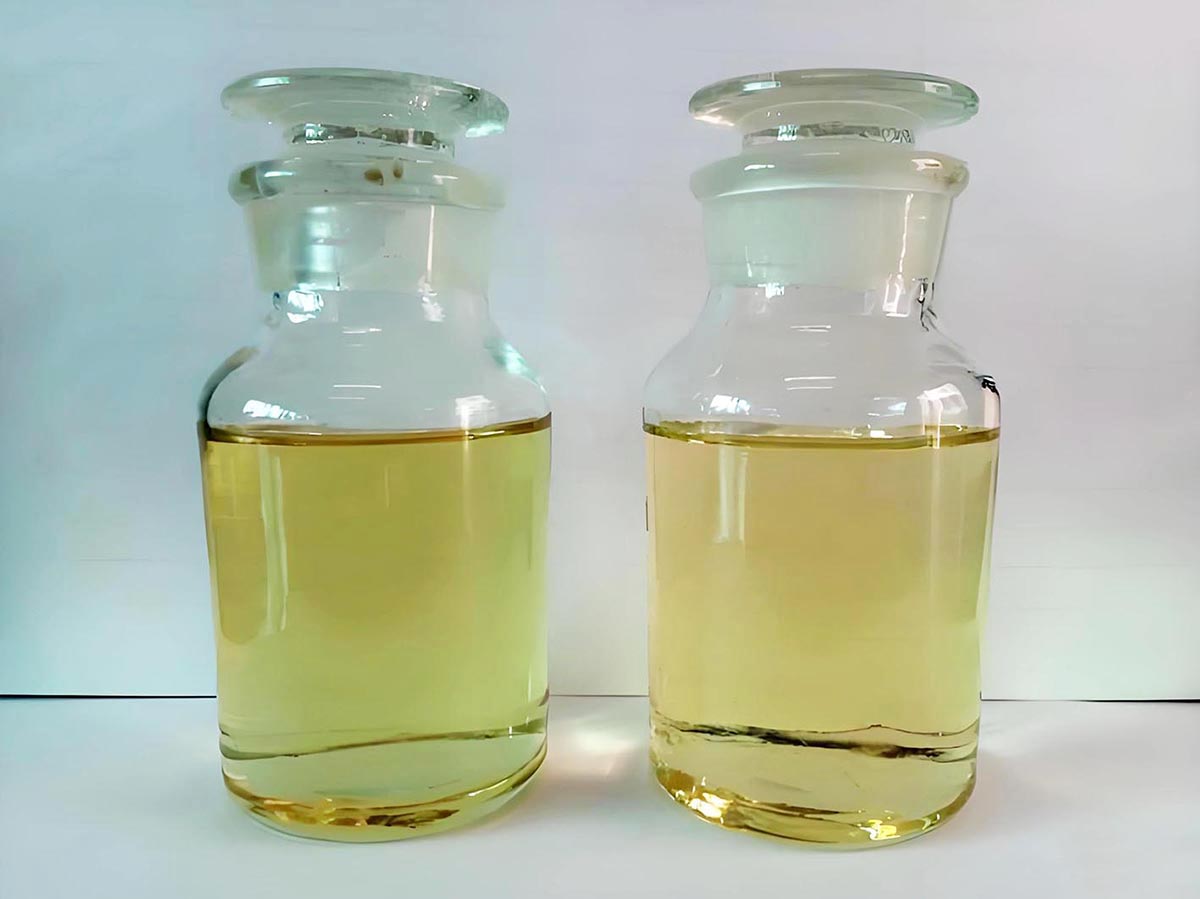
Key Types of Lead-Free Stabilizers
The transition to lead-free stabilizers has spurred innovation in formulations, with several technologies emerging as mainstream options. Each type offers unique benefits and limitations, making selection critical to balancing performance, cost, and compliance. Below are the most widely used lead-free stabilizers for PVC:
• Calcium-Zinc (Ca-Zn) Composite Stabilizers
Calcium-zinc stabilizers are the most widely adopted lead-free alternative, particularly in rigid PVC applications like pipes, profiles, and window frames. Composed of calcium stearate, zinc stearate, and auxiliary components (such as epoxidized soybean oil and hydrotalcite), they are non-toxic, environmentally friendly, and compliant with global food contact and medical standards like USP Class VI and ISO 10993.
Their key advantage lies in cost-effectiveness—they are typically 15-20% more affordable than organic tin stabilizers, making them accessible to small and medium-sized manufacturers. However, Ca-Zn stabilizers have limitations: they offer lower thermal stability than lead-based or organic tin options, and standard formulations may suffer from “zinc burning” (discoloration at high processing temperatures). To mitigate this, manufacturers often add β-diketones or phosphites as co-stabilizers, optimizing performance for high-temperature processing.
Ca-Zn stabilizers are ideal for eco-friendly PVC products in construction (e.g., green building-certified pipes) and general-purpose applications. Their compatibility with recycled PVC also makes them a key enabler of circular economy goals.
• Organotin Stabilizers
Organotin stabilizers (e.g., methyltin, butyltin) excel in high-performance PVC applications, especially those requiring transparency and superior thermal stability—such as medical tubing, food packaging films, and precision cables. They outperform Ca-Zn stabilizers in heat resistance and processing consistency, making them the go-to choice for industries with strict performance requirements.
While organotin stabilizers are lead-free, their environmental profile is mixed. Some organotin compounds (e.g., tributyltin) have been restricted due to aquatic toxicity, leading to the development of safer, low-toxicity variants. They also come with a higher price tag—up to 80% more expensive than lead-based stabilizers—limiting their use in cost-sensitive applications. For high-end eco-friendly PVC products where performance is non-negotiable, however, organotin remains a top choice.
• Bismuth-Based Stabilizers
Bismuth-based stabilizers, derived from organic bismuth salts (e.g., bismuth stearate), are a niche but growing alternative for PVC formulations requiring both non-toxicity and high thermal stability. They perform well in both rigid and flexible PVC, including wires, cables, and automotive interiors. Bismuth stabilizers are free from heavy metals like lead and cadmium, and they do not cause discoloration, making them suitable for light-colored products.
The main barrier to widespread adoption is cost—bismuth-based stabilizers are among the priciest lead-free options. However, their excellent compatibility with recycled PVC and low environmental impact make them a promising choice for sustainable packaging and medical devices.
Navigating Compliance for Lead-Free PVC
Regulatory pressure is the primary driver of lead-free stabilizer adoption, with regions like the EU, North America, and Asia implementing strict limits on lead in PVC. For manufacturers exporting eco-friendly PVC products, understanding these regulations is critical to avoiding trade barriers and costly non-compliance.
• EU REACH Regulation (EU 2023/923 Amendment)
The EU’s REACH Regulation is the most stringent framework governing lead in PVC. The 2023 amendment (EU 2023/923), which took effect on November 29, 2024, prohibits PVC materials with lead concentrations ≥0.1% (by weight) from being placed on the market or used in manufacturing. Exceptions exist for recycled PVC, but they are time-limited:
- Flexible recycled PVC is exempt until May 28, 2025.
- Rigid recycled PVC with lead content <1.5% (by weight) is exempt for certain applications (e.g., external construction profiles, hidden building components) until May 28, 2033, provided specific labeling and traceability requirements are met.
Suppliers of recycled PVC products must label items containing ≥0.1% lead clearly and provide traceability certificates (e.g., per EN15343:2007) to verify recycling sources. The European Commission will review these exemptions in 2028, potentially tightening restrictions further.
• North American Regulations
In the U.S., the EPA has added polycyclic aromatic hydrocarbons (PAHs)—a byproduct of some stabilizer formulations—to its priority control list, while the Consumer Product Safety Improvement Act (CPSIA) limits lead in children’s PVC products to 0.01%. Canada’s Hazardous Products Act (HPA) similarly restricts lead in PVC, with strict limits for medical and food-contact applications.
• Asian Regulations
China’s updated GB/T 33284-2024 standard imposes stricter limits on heavy metal migration from PVC stabilizers, aligning with global standards. Japan’s Food Sanitation Act and South Korea’s Ministry of Environment regulations also mandate lead-free stabilizers for food-contact and medical PVC. For manufacturers targeting the fast-growing Asian market, compliance with these standards is essential to tapping into demand for eco-friendly PVC in green buildings and New energy vehicles (NEVs)
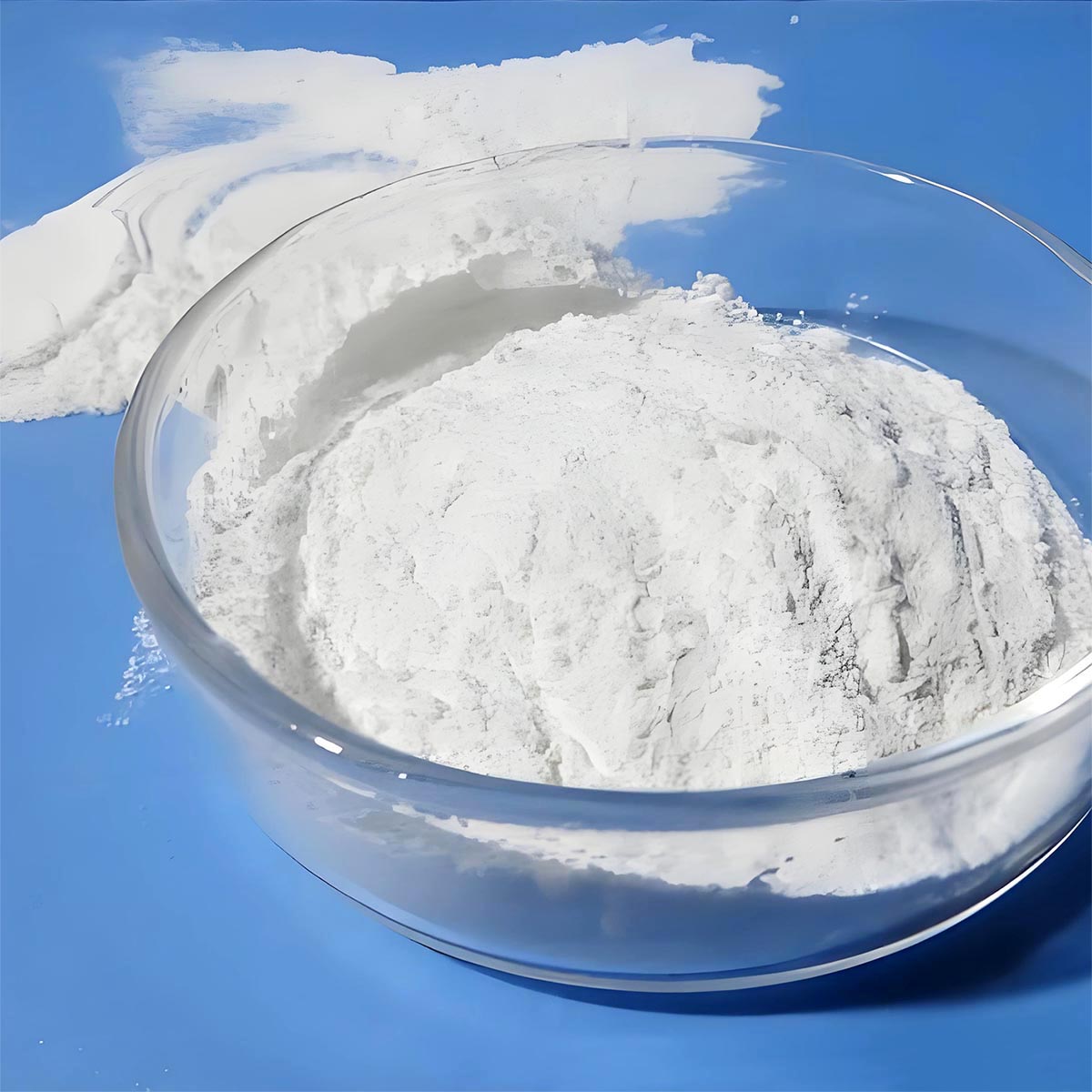
Emerging Trends Shaping the Future of Lead-Free Stabilizers
The lead-free stabilizer market is evolving beyond mere compliance, driven by sustainability goals and technological innovation. Below are the key trends to watch:
• Integration with Circular Economy: Recycled PVC Compatibility
As global recycling targets tighten (the EU aims for 30% recycled plastic content in products by 2030), lead-free stabilizers are being optimized for recycled PVC. Traditional stabilizers degrade during recycling, reducing the performance of recycled PVC. New Ca-Zn and bismuth-based formulations preserve thermal stability in recycled batches, enabling higher recycled content in eco-friendly PVC products. This is particularly critical for construction and packaging, where recycled PVC adoption is accelerating.
• Bio-Based and Low-Carbon Stabilizers
To reduce carbon footprints, manufacturers are developing bio-based lead-free stabilizers derived from renewable sources like vegetable oils and starch. These formulations not only lower reliance on fossil fuels but also improve biodegradability, aligning with global碳中和 (carbon neutrality) goals. For example, bio-based epoxidized soybean oil is increasingly used as a co-stabilizer in Ca-Zn systems, reducing the carbon footprint of eco-friendly PVC by up to 20%.
• High-Performance Formulations for Specialized Applications
Demand from high-growth sectors like NEVs and medical devices is driving the development of high-performance lead-free stabilizers. NEV interiors require stabilizers that meet strict low-VOC (volatile organic compound) standards, while medical PVC needs formulations that are non-toxic, sterile, and compatible with sterilization processes (e.g., autoclaving). Nanotechnology is also being used to enhance stabilizer performance—nanoparticle-modified Ca-Zn stabilizers, for instance, offer thermal stability comparable to lead-based options.
• Regional Supply Chain Localization
Global trade tensions and supply chain disruptions are pushing manufacturers to localize lead-free stabilizer production. China, which accounts for 45% of global PVC stabilizer output, is expanding capacity for high-quality Ca-Zn and organotin stabilizers, offering cost advantages over European and North American producers. This localization trend is making lead-free solutions more accessible to emerging markets in Southeast Asia and Africa, where PVC demand is growing rapidly.
Common Questions About Lead-Free Stabilizers for PVC
Q1: Will lead-free stabilizers compromise the performance of my PVC products?
A1: Not if selected correctly. While standard Ca-Zn stabilizers have lower thermal stability than lead-based options, optimized formulations with co-stabilizers (e.g., β-diketones) can match or exceed performance for most applications. For high-temperature or transparent products, organotin or bismuth-based stabilizers are viable alternatives. Testing formulations with your specific PVC grade and processing conditions is key.
Q2: Are lead-free stabilizers more expensive than lead-based ones?
A2: Yes, but the cost gap is narrowing. Ca-Zn stabilizers are 30%—50% more expensive than lead-based options, while organotin stabilizers can be 80% more expensive. However, long-term savings come from compliance (avoiding fines), improved brand reputation, and access to eco-conscious markets. Scaling up production and local sourcing can also reduce costs.
Q3: Can I use lead-free stabilizers with recycled PVC?
A3: Absolutely—many lead-free stabilizers (especially Ca-Zn and bismuth-based) are designed for recycled PVC. They help mitigate thermal degradation during reprocessing and maintain product performance. Just ensure the stabilizer is compatible with the recycled PVC’s impurity profile and follow traceability requirements for regulated markets like the EU.
Q4: How do I ensure my lead-free PVC complies with global regulations?
A4: Start by mapping the regulations of your target markets (e.g., REACH for the EU, CPSIA for the U.S.). Work with reputable stabilizer suppliers who provide compliance certificates and test reports. Conduct third-party testing for lead content and heavy metal migration, and maintain documentation for traceability—critical for recycled PVC products.
Q5: What’s the future of lead-free stabilizers for PVC?
A5: The market will continue to grow, driven by stricter regulations, circular economy goals, and high-performance innovations. Bio-based and low-carbon stabilizers will gain traction, while compatibility with recycled PVC will become a standard feature. As technology advances, the cost of lead-free solutions will decrease, making them the default choice for all PVC applications.
The shift to lead-free stabilizers is more than a regulatory box-ticking exercise—it’s a strategic move toward sustainable, future-proof PVC production. By understanding the latest trends, selecting the right stabilizer for your application, and prioritizing compliance, manufacturers can unlock new markets, reduce environmental impact, and build trust with consumers. As the industry evolves, lead-free stabilizers will remain at the heart of eco-friendly PVC’s success.
Post time: Feb-06-2026