

If you work in PVC manufacturing, you’ve probably been there—you grab a “universal” PVC stabilizer off the shelf, only to run into costly headaches later on. Maybe your rigid PVC pipes start yellowing mid-extrusion, your flexible medical tubing fails biocompatibility checks, or your outdoor profiles crack after just a few months in the sun. The truth is, there’s really no such thing as a one-size-fits-all PVC stabilizer—every application has its own unique needs, and forcing a generic product to work usually ends up wasting your time, material, and hard-earned money. That’s where Custom PVC Stabilizer Solutions come in: tailored formulations made specifically to fix your exact pain points, whether you’re producing construction materials, medical devices, or consumer goods.
Manufacturers across different industries often make the same critical mistake: underestimating just how much a custom stabilizer can turn production around. Generic stabilizers are made to work “well enough” for a wide range of uses, but they can’t account for specific resin types, processing conditions, or end-product requirements. For instance, a stabilizer that works great for PVC window frames might be totally unsuitable for food-grade packaging—either it fails FDA standards, or it makes the material brittle after a while. The good news? Custom PVC stabilizer solutions don’t have to be expensive or overly complicated. With the right partner, they can simplify production processes, boost product quality, and save manufacturers money in the long haul.
To start, it’s helpful to break down the basics: PVC stabilizers are essential additives that stop polyvinyl chloride from degrading during processing (when exposed to heat and shear) and throughout its lifespan (when out in the sun, exposed to moisture, or in contact with chemicals). Without the right stabilizer, PVC gets brittle, discolors, or breaks down completely—ruining entire batches and hurting a brand’s reputation. The main types of PVC stabilizers include calcium-zinc stabilizers, organic tin stabilizers, rare earth stabilizers, and auxiliary stabilizers like epoxidized soybean oil—each with their own strengths and weaknesses. The key to success is matching the perfect stabilizer (or mix of stabilizers) to a specific application—and that’s where customization really shines.
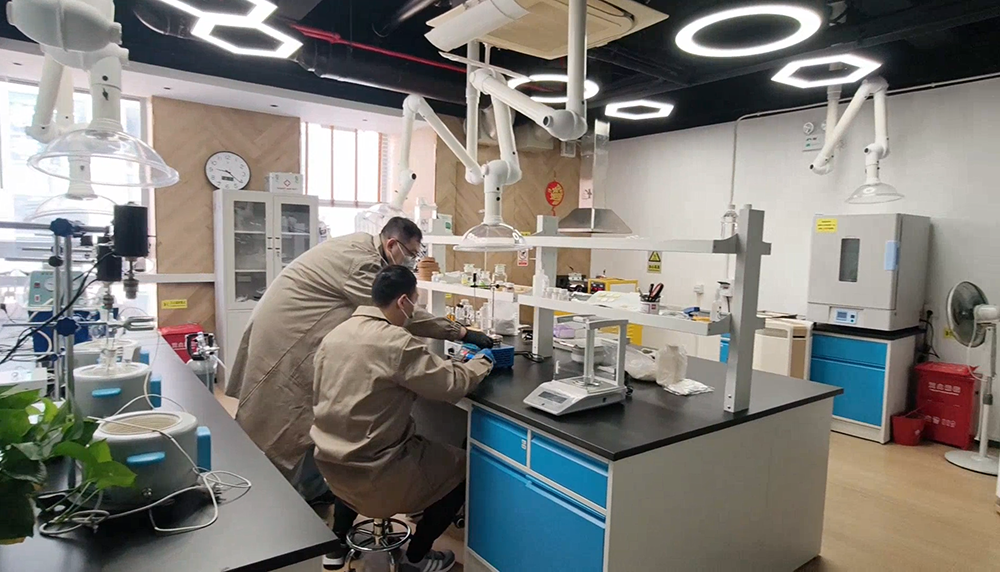
At TOPJOY Chemical Company, we built our business around solving these exact problems. We’re not just a supplier—we’re a partner with a professional R&D and laboratory team that’s dedicated to creating custom PVC stabilizer solutions for manufacturers like you. Our lab team doesn’t just mix ingredients together; they take the time to really understand your entire process: your PVC resin grade, processing temperature, equipment type, and what your end product needs to do. Whether you need a stabilizer that meets strict environmental standards, improves transparency, or boosts long-term weather resistance, we test and tweak formulations until they fit your needs perfectly. We know every manufacturing setup is different, and our custom approach makes sure you get a solution that works with your existing process—no costly equipment upgrades required.
Let’s dive into the most common PVC applications and the custom stabilizer solutions that fix their biggest pain points.
Rigid PVC Applications: Pipes, Profiles, and Building Materials
Rigid PVC is everywhere in construction—from water pipes and window profiles to siding and flooring. The biggest challenges here are heat stability during extrusion (temperatures often hit 170–185°C), long-term weather resistance (for outdoor use), and meeting industry standards (like GB/T 10002.1-2006 for pipes). Generic stabilizers often fall short here: either they don’t offer enough heat protection, leading to yellowing or degradation, or they contain heavy metals (like lead) that are now banned under EU REACH and relevant industry regulations.
The custom solution here usually involves calcium-zinc stabilizers—an eco-friendly alternative to lead-based stabilizers—blended with auxiliary stabilizers to boost performance. For example, one of our clients was making PVC water pipes and struggling with two big issues: yellowing during extrusion and poor long-term durability. Our lab team tested their resin, processing conditions, and end-use needs (potable water contact) and developed a custom calcium-zinc stabilizer blend with added epoxidized soybean oil (a common auxiliary stabilizer) and rare earth stabilizers. The result? No more yellowing, better heat stability during extrusion, and compliance with FDA food-contact standards. On top of that, the custom blend cut stabilizer usage by 15% compared to their old generic product—saving them money on raw materials.
Practical tip: For rigid PVC applications, make heat stability and weather resistance your top priorities. If your product is used outdoors, look for custom blends that include UV stabilizers to prevent fading and cracking. And if you’re switching from lead-based stabilizers, work with a partner who can test your custom formulation to make sure it matches (or even beats) the performance of your old stabilizer—without the toxic ingredients.
Flexible PVC Applications: Medical Tubing, Cables, and Packaging
Flexible PVC is used for everything from medical tubing and electrical cables to food packaging and toy casings. The challenges here are totally different from rigid PVC: keeping flexibility over time, biocompatibility (for medical and food uses), and resistance to oils or chemicals (for cables and industrial applications). Organic tin stabilizers are often the go-to for these uses because of their great transparency and heat stability, but they can be pricey—and generic formulations might not meet strict compliance standards.
Take medical tubing, for example: one of our clients was making PVC infusion tubes and failing biocompatibility tests because their generic organic tin stabilizer leached small amounts of chemicals. Our lab team created a custom organic tin stabilizer blend with a low migration rate, making sure it met ISO 10993 standards for medical devices. We also adjusted the formulation to improve flexibility, so the tubing wouldn’t get brittle during sterilization. Another client who made PVC electrical cables was having trouble with insulation breakdown due to poor heat stability. We developed a custom blend of organic tin stabilizers and auxiliary stabilizers (including calcium-zinc) that boosted heat resistance and lowered the risk of insulation failure—even in high-temperature environments.
Practical tip: For flexible PVC, focus on compatibility with plasticizers (the additives that make it flexible) and meeting industry standards. If you’re making medical or food-contact products, ask your stabilizer partner for test reports that prove biocompatibility and low migration. For cables, prioritize heat and chemical resistance to make sure they perform well long-term.
Transparent PVC Applications: Food Packaging, Toy Casings, and Optical Components
Transparent PVC products—like food containers, toy casings, and clear films—need stabilizers that don’t cloud the material or cause discoloration over time. Generic stabilizers often have fillers or additives that reduce transparency, making them a bad fit for these applications. Organic tin stabilizers are the gold standard for transparency, but you need custom blends to balance clarity with heat stability and cost.
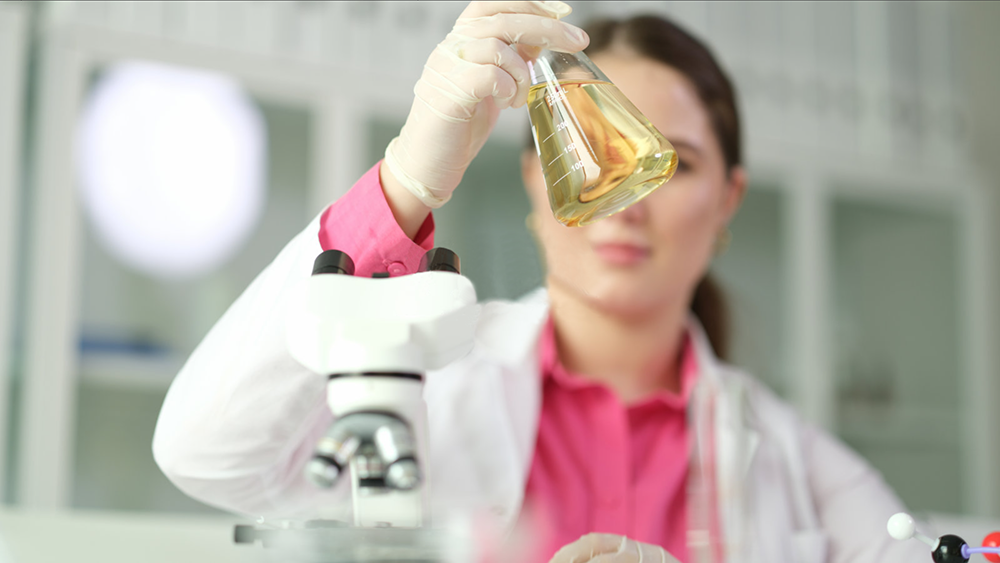
A client who made transparent PVC food containers came to us with a problem: their generic stabilizer made the containers turn yellow after just a few weeks on store shelves, making their products unsellable. Our lab team developed a custom organic tin stabilizer blend with added β-diketone (an auxiliary stabilizer that prevents discoloration) and tweaked the formulation to minimize haze. The result? Crystal-clear containers that stayed transparent for months, even when exposed to light. We also cut down on the amount of organic tin used (by blending it with small amounts of calcium-zinc), lowering the cost without sacrificing performance.
Practical tip: For transparent PVC, steer clear of stabilizers with heavy fillers or pigments. Ask your partner to test the formulation for haze and discoloration over time—this will make sure your product stays clear and appealing to customers. If cost is a concern, a custom blend of organic tin and calcium-zinc stabilizers can give you the perfect balance of clarity and affordability.
Outdoor PVC Applications: Decking, Fencing, and Outdoor Furniture
Outdoor PVC products face the harshest conditions: intense sunlight, temperature swings, and moisture. The biggest pain points here are UV degradation (which causes fading and cracking) and long-term weather resistance. Generic stabilizers often don’t offer enough UV protection, leading to products that break down in just a few years—costing manufacturers warranty claims and lost customers.
Our team worked with a client who made PVC decking and was struggling with premature cracking and fading. Their generic stabilizer had basic UV protection, but it wasn’t enough for the harsh summer sun in their area. We developed a custom stabilizer blend using rare earth stabilizers (which offer great UV resistance) and added a UV absorber to boost protection even more. We also adjusted the formulation to improve impact resistance, so the decking wouldn’t crack in cold temperatures. The custom solution extended the product’s lifespan from 5 years to 15 years—cutting down on warranty claims and making their customers much happier.
Practical tip: For outdoor PVC, make UV stabilizers and weather resistance your top priorities. Look for custom blends that include rare earth stabilizers or UV absorbers to protect against sun damage. Also, test the formulation for impact resistance—temperature swings can make PVC brittle, so a stabilizer that keeps it flexible in both hot and cold weather is key.
How to Get the Right Custom PVC Stabilizer Solution for Your Business
Now that you know how custom stabilizers solve common problems, let’s talk about how to find the right solution for your business. Here are practical steps recommended for manufacturers:
• Define your pain points clearly: Before you reach out to a stabilizer partner, make a list of your biggest challenges. Are you dealing with yellowing, brittleness, compliance issues, or high costs? The more specific you are, the easier it will be to create a custom formulation that fixes your problems.
• Share your entire process: Your stabilizer partner needs to know your PVC resin grade, processing temperature, equipment type, and what your end product needs to do. For example, if you’re using a twin-screw extruder, the stabilizer needs to handle high shear forces. If your product is for food contact, it needs to meet FDA standards. The more information you share, the better the custom solution will be.
• Ask for testing and samples: A reliable stabilizer partner will give you samples of your custom formulation and test them under your exact processing conditions. This makes sure the stabilizer works before you commit to a large order. At TOPJOY Chemical Company, our lab team runs thorough tests—including heat stability, UV resistance, and compliance checks—to make sure our custom solutions live up to your expectations.
• Consider long-term cost savings: Custom stabilizers might have a slightly higher upfront cost than generic products, but they usually save you money in the long run. Less material waste, fewer batch failures, and longer product life all add up. For example, one of our clients cut their waste rate by 20% after switching to a custom stabilizer—saving them thousands of dollars every year.
At TOPJOY Chemical Company, we’ve always been committed to researching, developing, and producing high-performance PVC stabilizer products. Our professional R&D team keeps innovating, optimizing product formulations based on market demands and industry trends, and providing better solutions for manufacturing enterprises. Our dedicated laboratory team is the backbone of our custom solutions—they work closely with you to understand your needs, test formulations, and tweak them until they’re perfect for your application. If you want to learn more about PVC stabilizers or need a custom solution tailored to your business, feel free to contact us anytime!
The bottom line: generic PVC stabilizers are a risk. They might work for a bit, but eventually, they’ll cause problems that cost you time and money. Custom PVC Stabilizer Solutions are made to fit your exact needs—fixing your pain points, improving product quality, and simplifying your process. Whether you’re making rigid pipes, flexible medical tubing, transparent packaging, or outdoor furniture, a custom stabilizer can make your manufacturing process better.
Don’t settle for “good enough”—invest in a custom solution that works as hard as you do. Your customers (and your bottom line) will thank you.
Post time: Mar-24-2026