

For manufacturers of high-performance rigid PVC products—from pressure pipes and window profiles to food-grade containers—finding the right PVC stabilizer isn’t just a matter of meeting specifications. It’s about solving the daily headaches that eat into profit margins: inconsistent surface finish, poor thermal stability during extrusion, compliance with tightening environmental regulations, and the endless trade-off between performance and cost. After working with dozens of rigid PVC producers over the years, I’ve seen how the wrong stabilizer choice can turn a smooth production run into a logistical nightmare, while the right one transforms quality control and operational efficiency. In this post, we’ll break down the most common pain points and map them to practical PVC stabilizer solutions that balance performance, compliance, and cost.
First, let’s ground ourselves in the basics: rigid PVC’s inherent vulnerability. Unlike flexible PVC, which relies on plasticizers to reduce brittleness, rigid PVC (used in applications requiring structural integrity) is prone to degradation when exposed to heat, shear force, and UV light during processing. This degradation leads to discoloration, brittleness, and loss of mechanical strength—all fatal flaws for high-performance products like potable water pipes or architectural profiles. PVC stabilizers act as a shield, neutralizing the byproducts of degradation and protecting the polymer chain. But not all stabilizers are created equal, and the “one-size-fits-all” approach rarely works for producers targeting premium markets.
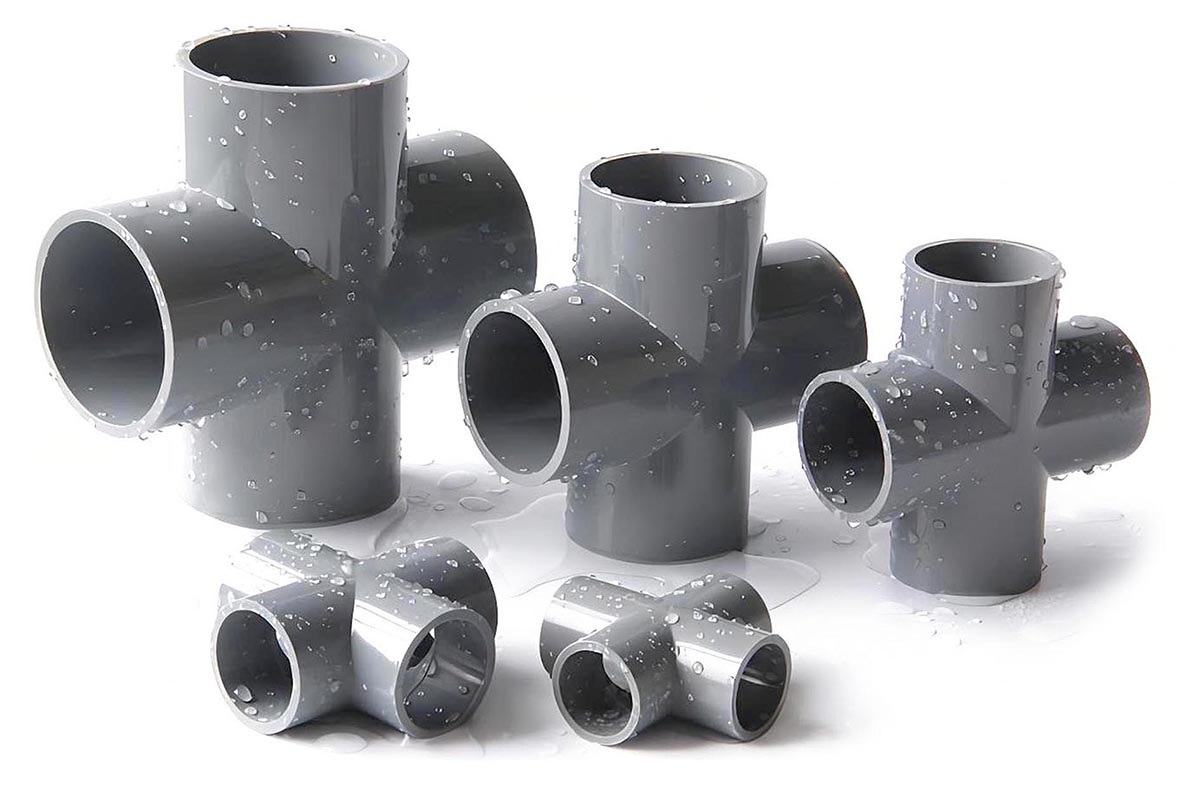
The Top Pain Points and Corresponding Stabilizer Solutions
• Regulatory Compliance vs. Performance
The biggest shift in the rigid PVC industry over the past decade has been the global crackdown on heavy metal-based stabilizers, particularly lead salts. Lead-based PVC stabilizers were long favored for their unbeatable thermal stability, low cost, and excellent electrical insulation—making them a staple in pipe and cable production. But with regulations like RoHS, FDA 21 CFR §172.888, and EN 1122 banning lead in food-contact, potable water, and construction products, producers are forced to switch to non-toxic alternatives. The problem? Many early replacements failed to match lead’s performance, leaving manufacturers stuck between compliance and quality.
The solution lies in high-performance calcium-zinc (Ca-Zn) composite stabilizers. Modern Ca-Zn formulations have closed the performance gap with lead salts while meeting global environmental standards. These stabilizers combine calcium and zinc soaps with synergistic additives (such as epoxidized soybean oil and polyols) to deliver excellent initial coloring, long-term thermal stability, and good processability. A producer of potable water pipes recently shared their experience: after struggling with inferior Ca-Zn products that caused uneven wall thickness and discoloration, they switched to a customized Ca-Zn composite. With on-site technical support to adjust formulations (keeping stabilizer dosage at 3.0 parts per 100 parts PVC, matching their previous lead salt ratio), they achieved equivalent pressure resistance and surface smoothness—without increasing costs.
For applications requiring extreme thermal stability (e.g., high-temperature extrusion of PVC-O pipes), organic tin stabilizers remain the gold standard. They offer unmatched clarity, non-toxicity (for food-contact use), and resistance to degradation at elevated temperatures. The trade-off? Higher cost. However, producers can offset this by reducing dosage—organic tin stabilizers often perform effectively at 1.0–2.0 parts per 100 parts PVC—or combining them with auxiliary stabilizers like hydrotalcite-based additives to enhance efficiency. Hydrotalcite-based additives work synergistically with Ca-Zn or organic tin systems to neutralize acidic degradation byproducts, extending thermal stability and reducing overall stabilizer load.
• Inconsistent Processing and Surface Defects
Rigid PVC producers know that even minor variations in processing can lead to costly defects: fish eyes, surface blushing, and uneven plasticization are common when stabilizers lack good dispersion or lubricity. Lead salts, while stable, have poor dispersion—often requiring additional lubricants like PE wax to prevent sticking to extruders. Organic tin stabilizers, on the other hand, offer excellent compatibility with PVC but suffer from poor self-lubrication, leading to melt adhesion and die buildup.
The fix here is choosing stabilizers with integrated lubrication systems or pairing them with compatible auxiliary additives. Composite Ca-Zn stabilizers often include internal and external lubricants in their formulations, eliminating the need for separate wax additions and ensuring uniform plasticization. For example, high-quality Ca-Zn stabilizers with built-in lubrication improve melt flow, resulting in consistent wall thickness and a smooth surface finish—critical for architectural profiles and decorative panels. For organic tin users, adding small amounts of calcium stearate or ester waxes can resolve lubricity issues without compromising clarity.
Another common culprit is moisture absorption in stabilizers, which causes bubbles in the final product. Producers should prioritize stabilizers with low moisture content (ideally <3.0%) and store them in sealed containers in dry environments. Technical service teams from reputable suppliers can also help optimize processing parameters—adjusting temperature zones, screw speed, and pressure—to complement the stabilizer’s properties, reducing defects and waste.
• Balancing Cost and Long-Term Performance
Cost pressure is a constant for rigid PVC producers, and stabilizer selection directly impacts unit costs. Lead salts are still the cheapest option, but their toxicity limits their use to non-critical applications (e.g., non-potable drainage pipes in unregulated markets). Organic tin stabilizers are the most expensive, while Ca-Zn composites offer a middle ground—often matching lead’s cost when formulated correctly.
To optimize cost without sacrificing performance, producers should avoid over-dosing stabilizers. Many manufacturers add extra stabilizer “just to be safe,” but this increases costs and can cause side effects like blooming (surface deposits) or reduced impact strength. Working with a supplier that offers custom formulation services—those with a “product + service” model—can help fine-tune stabilizer dosage and additive combinations. For example, a producer of PVC foam boards reduced their scrap rate by 10% and cut stabilizer costs by 8% after adjusting the Ca-Zn ratio and optimizing foaming agent compatibility with technical support from their supplier.
For producers using recycled PVC (a growing trend for sustainability), stabilizer selection is even more critical. Recycled PVC contains residual contaminants and degraded polymer chains, requiring more robust stabilization. Modified Ca-Zn stabilizers with high antioxidant content or rare earth-based stabilizers (which offer excellent UV and thermal stability) are ideal here. Rare earth stabilizers, while slightly more expensive than standard Ca-Zn, provide superior long-term performance for outdoor products like decking or fencing, reducing replacement costs for end-users.
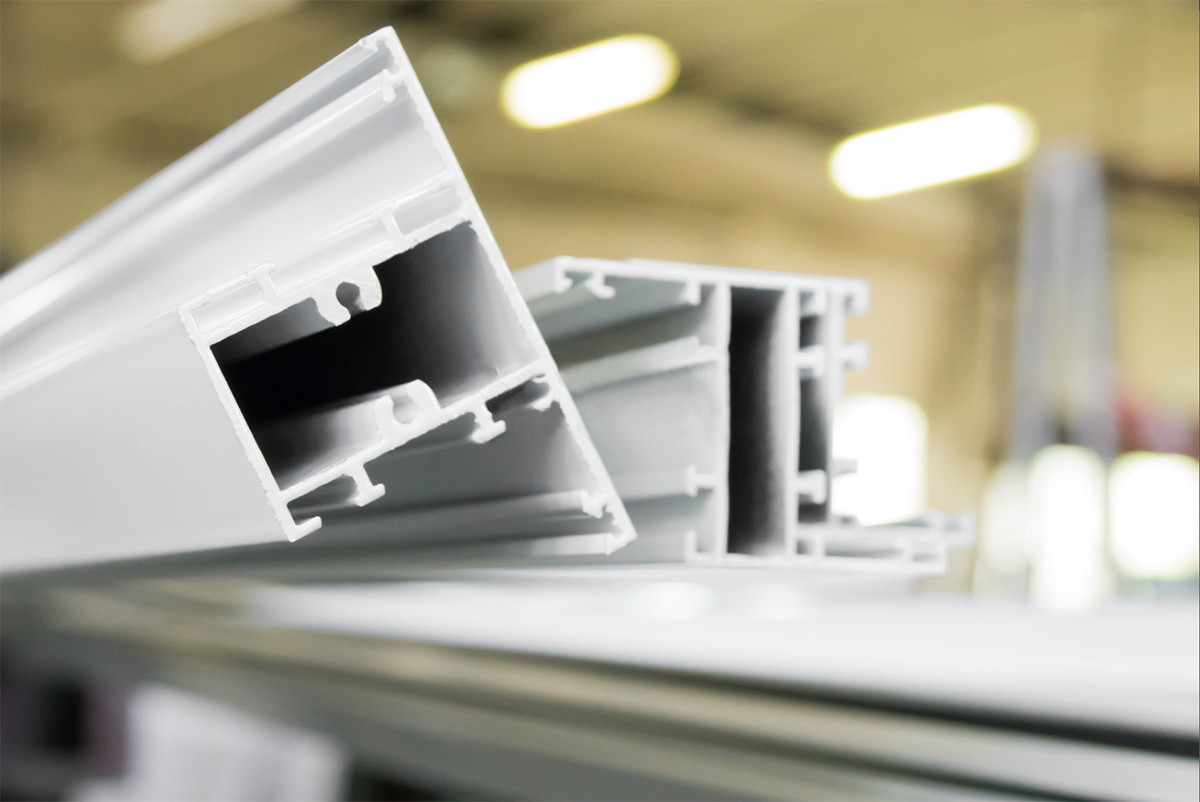
A Practical Guide to PVC Stabilizer Selection
To simplify the selection process, let’s compare the most common PVC stabilizers for high-performance rigid PVC, focusing on key metrics for producers:
|
Stabilizer Type |
Thermal Stability |
Compliance |
Cost |
Best For |
Key Limitations |
| Lead Salts | Excellent | Poor (banned in most high-performance apps) |
Lowest |
Non-critical, non-food contact (e.g., industrial ducts) | Toxicity, poor dispersion, regulatory risks |
| Ca-Zn Composite | Good to Excellent | Excellent (RoHS, FDA compliant) |
Moderate |
Potable water pipes, profiles, food packaging | Requires careful formulation for extreme temps |
| Organic Tin | Superior | Excellent (food-contact safe) |
Highest |
Transparent products, high-temp extrusion (PVC-O) | Poor lubricity, high cost |
| Rare Earth-Based | Excellent | Excellent |
Moderate-High |
Outdoor profiles, recycled PVC | Poor processability at high dosages |
From my experience working with rigid PVC producers, the most successful ones don’t view stabilizers as a commodity—they see them as a strategic component of quality control. If you’re looking to refine your approach, here are three actionable steps to optimize your stabilizer strategy:
• Partner with suppliers who offer technical support: Look for suppliers that provide on-site formulation debugging and process optimization—this level of service is worth far more than a slightly lower price per kilogram. It can resolve tricky issues like discoloration or poor flow that generic stabilizers (and one-size-fits-all suppliers) can’t fix.
• Test rigorously before scaling up: Always run small-batch trials with your actual raw materials (including recycled content) and processing equipment. Pay attention to long-term stability (e.g., heat aging tests) and not just initial performance—this prevents costly recalls down the line.
• Plan for regulatory changes: Even if lead salts are still allowed in your market, investing in non-toxic stabilizers future-proofs your production. As more regions adopt strict environmental laws, switching early avoids rushed transitions that compromise quality.
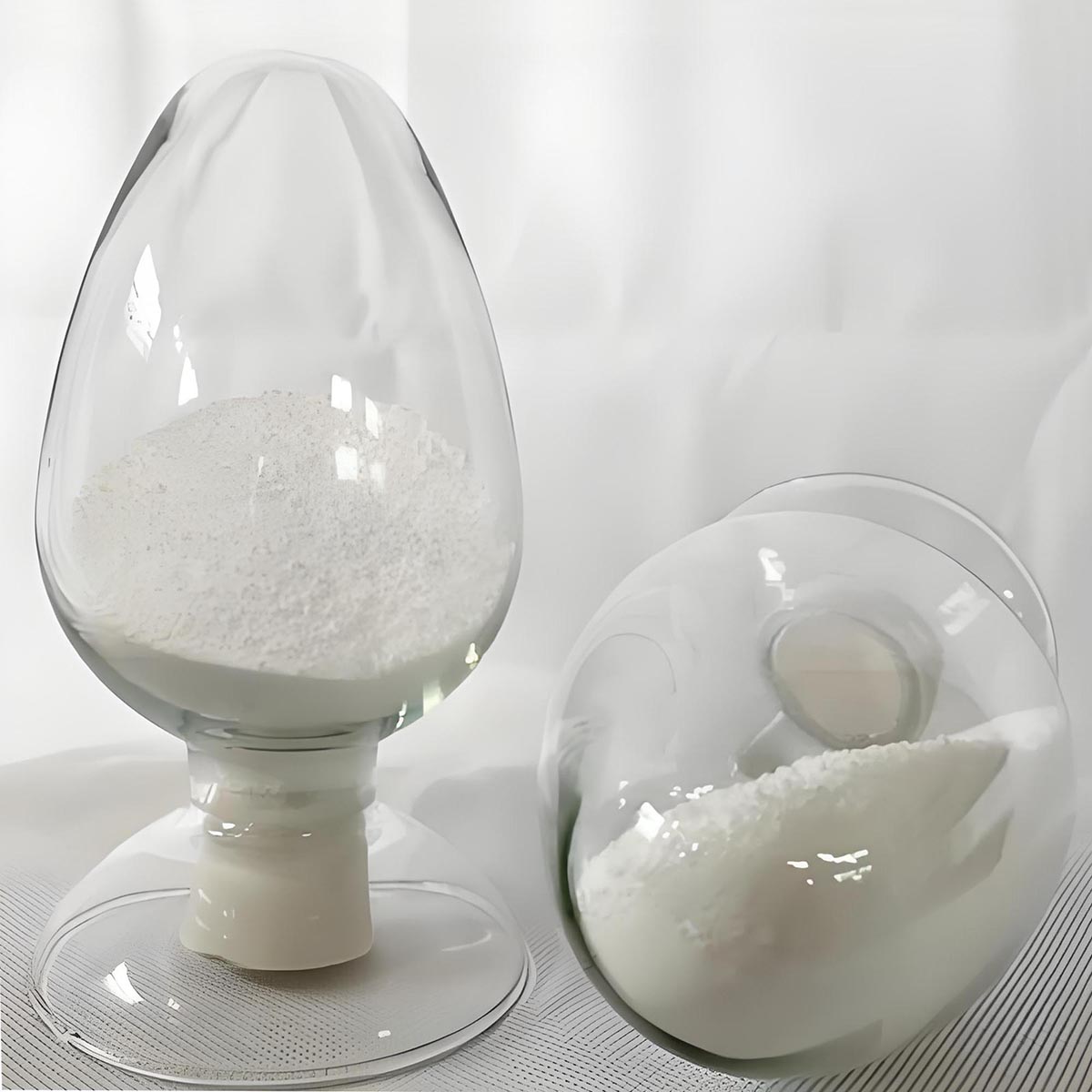
At the end of the day, the right PVC stabilizer for your high-performance rigid PVC products is the one that solves your unique pain points—whether that’s checking the compliance box, nailing a flawless surface finish, or keeping costs in line. By focusing on formulation synergy, leaning on supplier technical support, and planning for long-term sustainability, you can turn stabilizer selection from a constant headache into a real competitive advantage.
Post time: Feb-24-2026