

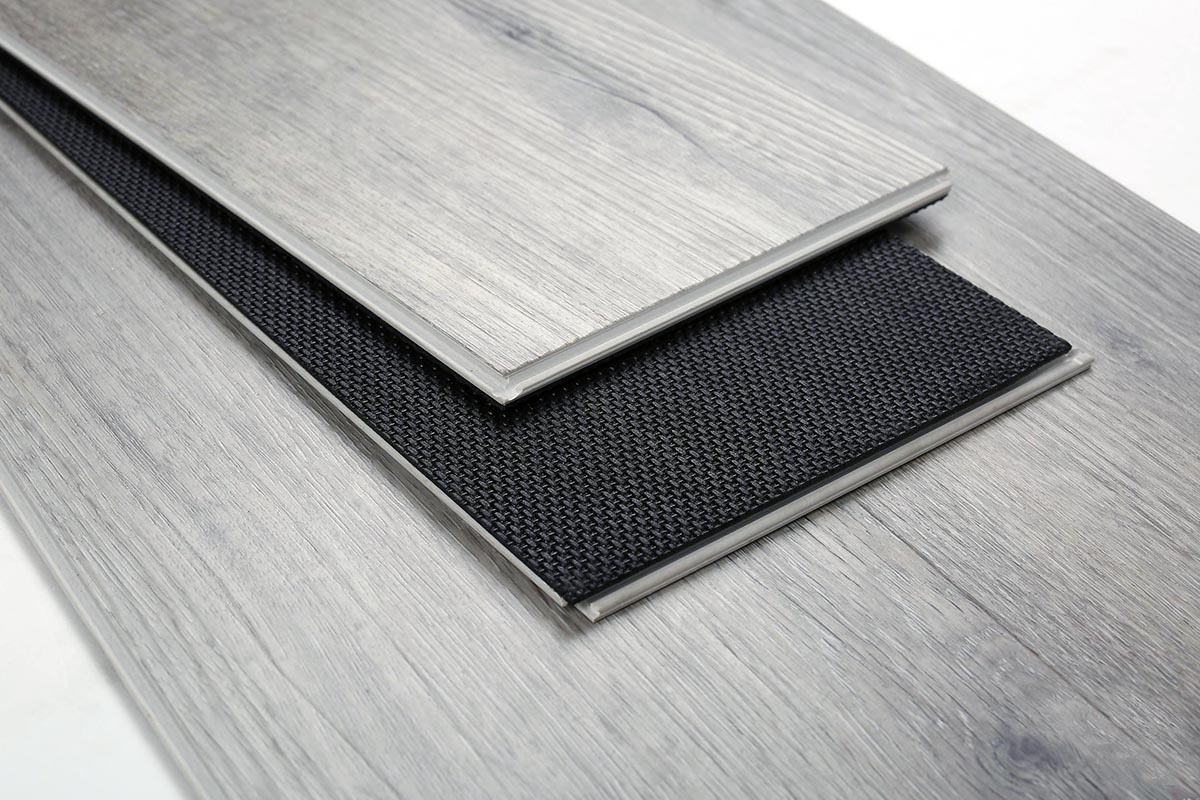
Vinyl flooring and decorative PVC products have become staples in modern interiors, thanks to their durability, versatility, and cost-effectiveness. From SPC (Stone Plastic Composite) flooring planks to decorative molding, wall panels, and edge trims, these products rely heavily on precise injection molding processes to achieve consistent quality. At the heart of this process lies a critical component often overlooked until problems arise: PVC stabilizers for injection.
Injection molding of PVC for flooring and decorative applications demands a delicate balance—materials must withstand high processing temperatures (160–200℃) without degradation, maintain esthetic appeal (uniform color, smooth surface), and meet strict environmental standards. A subpar stabilizer choice can lead to costly defects: yellowing planks, surface “bloom,” brittle edges, or even production line shutdowns. This blog breaks down how to select, apply, and optimize PVC stabilizers for injection molding in vinyl flooring and decorative projects, solving real-world challenges faced by manufacturers and product developers.
Why Injection Molding PVC for Flooring & Decor Demands Specialized Stabilizers
PVC’s inherent instability under heat and shear makes stabilizers non-negotiable for injection molding. Unlike extrusion processes, injection molding subjects PVC to rapid temperature spikes, high pressure, and short residence times in the barrel—conditions that accelerate dehydrochlorination (HCl release) and molecular chain breakdown. For vinyl flooring and decorative products, the stakes are higher:
Esthetic precision: Flooring planks and decorative trims require consistent color, gloss, and surface smoothness. Even minor discoloration or exudation (bloom) ruins marketability.
Mechanical resilience: Flooring must withstand foot traffic, while decorative moldings need impact resistance. Stabilizers influence PVC’s melt strength and final tensile properties.
Environmental compliance: Global regulations (EU REACH, US FDA) ban heavy metals like lead and cadmium in consumer products, pushing the industry toward eco-friendly alternatives.
For injection-molded vinyl flooring components—such as interlocking joints, edge profiles, or decorative inlays—stabilizers must not only prevent thermal degradation but also enhance processability. Poorly matched stabilizers lead to issues like melt fracture, mold deposit buildup, or inconsistent part dimensions—all of which drive up waste rates.
Solving Common PVC Stabilizer Challenges in Injection Molding
Even with the right stabilizer type, manufacturers often face application issues that compromise product quality. Below are actionable solutions to the most frequent problems encountered in vinyl flooring and decorative injection molding:
1. Thermal Degradation (Yellowing, Burning Smell)
Problem: Flooring edges or decorative details turn yellow/brown during molding; equipment emits a pungent HCl odor. This occurs when stabilizers fail to neutralize HCl or withstand processing temperatures.
Causes: Insufficient stabilizer dosage, low-quality stabilizers with weak active ingredients, or processing temperatures exceeding the stabilizer’s range. For thick flooring planks, heat buildup in the mold exacerbates degradation .
Solutions:
- Increase stabilizer dosage by 0.5–1 phr (parts per hundred resin) for thick-walled parts; use composite composite stabilizers with synergists (e.g., epoxidized soybean oil) to boost thermal performance.
- Lower barrel temperature by 5–10℃ and reduce screw speed to shorten residence time.
- Switch to a high-efficiency Ca-Zn or organic tin stabilizer with proven performance at 180–190℃.
2. Surface Bloom (White Frosting)
Problem: A white, powdery film forms on the surface of injection-molded flooring or trims, ruining esthetics and adhesion.
Causes: Poor compatibility between the stabilizer and PVC resin, or excess low-molecular-weight lubricants in the stabilizer formula. This is common with low-quality Ca-Zn stabilizers.
Solutions: – Choose a stabilizer with surface-modified particles to improve PVC dispersion; avoid stabilizers with high stearic acid content.
- Pre-disperse stabilizers into a masterbatch with PVC resin before molding to ensure uniform distribution.
- Reduce auxiliary stabilizer dosage and replace low-melting lubricants with higher-molecular-weight alternatives .
3. Poor Melt Flow (Incomplete Filling, Melt Fracture)
Problem: Injection-molded flooring joints or decorative patterns are incomplete; surfaces show ripples or uneven texture due to poor melt strength.
Causes: Stabilizers that increase melt viscosity, or insufficient lubrication in the stabilizer system. Rare earth stabilizers are particularly prone to this issue at high loadings.
Solutions:
- Select a Ca-Zn stabilizer optimized for flow—look for formulas with controlled particle size and plasticizing accelerators .
- Add 0.3–0.5 phr of external lubricant (e.g., polyethylene wax) to improve melt flow without compromising stability.
- Adjust mold temperature (increase by 10–15℃) to reduce melt resistance during filling.
4. Regulatory Non-Compliance
Problem: Products fail heavy metal testing (lead, cadmium) or exceed migration limits for food-contact or children’s decorative items.
Causes: Using legacy lead salt stabilizers or low-grade Ca-Zn stabilizers contaminated with heavy metals.
Solutions: – Source stabilizers from suppliers with third-party certifications (REACH, FDA) confirming non-toxicity.
- Prioritize “zero heavy metal” Ca-Zn formulations—reputable manufacturers provide batch-specific test reports .
- Avoid mixing stabilizer types; lead-contaminated equipment residues can ruin compliant batches.
Selecting PVC Stabilizers for Injection Molding
Choosing the right stabilizer isn’t guesswork—it requires aligning product requirements, processing conditions, and regulatory needs. Follow this framework for confident decision-making:
Define Product Priorities
Start by identifying non-negotiables: Esthetics: Do you need transparency (e.g., decorative panels) or consistent whiteness (SPC flooring)? Organic tin or high-purity Ca-Zn works best.
End-use environment: Will the product be exposed to UV (outdoor decor) or heavy wear (flooring)? Rare earth or UV-enhanced Ca-Zn stabilizers are better.
Regulations: Target markets (EU, US, Asia) have varying standards—ensure compliance upfront to avoid rework.
Match Stabilizer to Processing Conditions
Injection molding parameters dictate stabilizer performance: Temperature: High-temperature molding (≥190℃) requires organic tin or advanced Ca-Zn with synergists.
Cycle time: Fast cycles need stabilizers with quick plasticizing (e.g., low-viscosity Ca-Zn) to avoid under-molding.
Equipment type: High-shear twin-screw machines demand stabilizers with good dispersion to prevent shear degradation.
Test for Compatibility & Performance
Never skip small-batch testing. Conduct trials to evaluate: Processing stability: Check for discoloration, mold deposits, and fill consistency.
Final properties: Test tensile strength, impact resistance, and surface quality (gloss, bloom).
Long-term durability: Perform heat aging tests (70℃ for 72 hours) to ensure color and strength retention—critical for flooring.
Balance Cost & Value
While organic tin offers superior performance, Ca-Zn stabilizers reduce costs by 30–40% for non-transparent products. Calculate total cost of ownership: a slightly pricier high-efficiency Ca-Zn stabilizer may lower waste rates (by reducing defects) more than a cheap, low-performance alternative .
In vinyl flooring and decorative injection molding, PVC stabilizers are more than a functional additive—they’re a driver of quality, efficiency, and compliance. Cutting corners on stabilizers leads to costly defects and regulatory risks, while investing in the right formula boosts production consistency and product longevity.
By prioritizing compatibility with your processing conditions, aligning with regulatory standards, and testing rigorously, you can turn stabilizer selection into a competitive advantage. For most applications, optimized Ca-Zn composite stabilizers offer the best balance—but don’t hesitate to upgrade to organic tin or rare earth options for premium or specialized products.
Remember: The best stabilizer isn’t the most expensive or the most popular—it’s the one tailored to your product’s unique needs. With the right approach, you’ll avoid common pitfalls and deliver injection-molded vinyl flooring and decorative products that stand out in a crowded market.
Post time: Feb-03-2026