

Polyvinyl chloride (PVC) celebrated for its versatility, cost-effectiveness, and adaptability to countless end products—from construction materials to medical devices and consumer goods. Yet, this widely used material harbors a critical vulnerability: thermal instability. When exposed to the high temperatures (160–200°C) required for extrusion, injection molding, or calendering, PVC undergoes a destructive dehydrochlorination process. This reaction releases hydrochloric acid (HCl), a catalyst that triggers a self-perpetuating chain reaction, leading to material degradation characterized by discoloration, brittleness, and loss of mechanical strength. To mitigate this issue and unlock PVC's full potential, heat stabilizers are non-negotiable additives. Among these, Metal Soap Stabilizers stand out as a cornerstone solution, valued for their effectiveness, compatibility, and broad applicability. In this blog, we'll delve into the role and mechanism of Metal Soap Stabilizers in PVC processing, shine a light on key examples like Zinc stearate PVC formulations, and explore their real-world applications across diverse industries.
First, let's clarify what Metal Soap Stabilizers are. At their core, these stabilizers are organic metallic compounds formed by the reaction of fatty acids (such as stearic, lauric, or oleic acid) with metal oxides or hydroxides. The resulting "soaps" feature a metallic cation—typically from groups 2 (alkaline earth metals like calcium, barium, or magnesium) or 12 (zinc, cadmium) of the periodic table—bonded to a long-chain fatty acid anion. This unique chemical structure is what enables their dual role in PVC stabilization: scavenging HCl and replacing labile chlorine atoms in the PVC polymer chain. Unlike inorganic stabilizers, Metal Soap Stabilizers are lipophilic, meaning they blend seamlessly with PVC and other organic additives (like plasticizers), ensuring uniform performance throughout the material. Their compatibility with both rigid and flexible PVC formulations further cements their status as a go-to choice for manufacturers.
The mechanism of action of Metal Soap Stabilizers is a sophisticated, multi-step process that targets the root causes of PVC degradation. To understand it, we must first recap why PVC degrades thermally. PVC's molecular chain contains "defects"—labile chlorine atoms attached to tertiary carbon atoms or adjacent to double bonds. These defects are the starting points for dehydrochlorination when heated. As HCl is released, it catalyzes the removal of more HCl molecules, forming conjugated double bonds along the polymer chain. These double bonds absorb light, causing the material to turn yellow, orange, or even black, while the broken chain structure reduces tensile strength and flexibility.
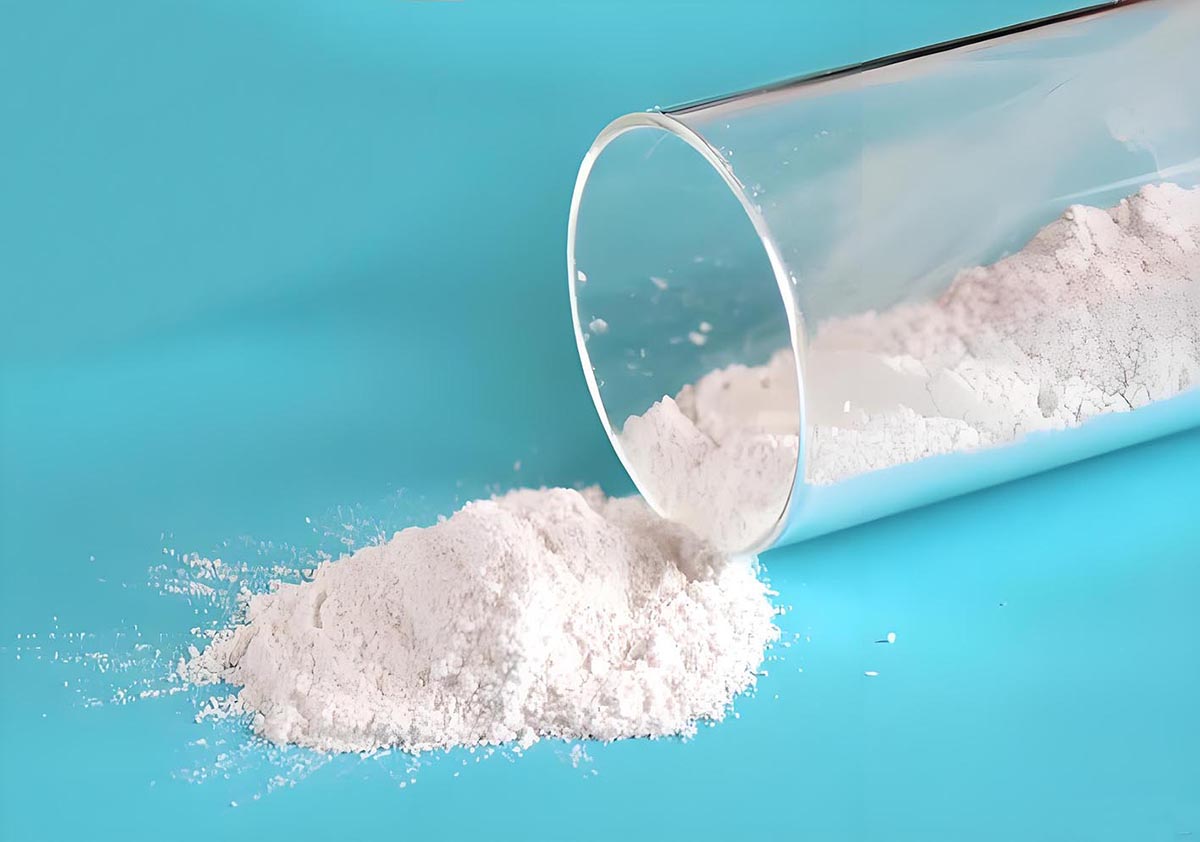
Metal Soap Stabilizers intervene in this process in two primary ways. First, they act as HCl scavengers (also called acid acceptors). The metallic cation in the soap reacts with HCl to form a stable metal chloride and a fatty acid. For example, in Zinc stearate PVC systems, zinc stearate reacts with HCl to produce zinc chloride and stearic acid. By neutralizing HCl, the stabilizer halts the autocatalytic chain reaction, preventing further degradation. Second, many Metal Soap Stabilizers—particularly those containing zinc or cadmium—undergo a substitution reaction, replacing the labile chlorine atoms in the PVC chain with the fatty acid anion. This forms a stable ester linkage, eliminating the defect that initiates degradation and preserving the polymer's structural integrity. This dual action—acid scavenging and defect capping—makes Metal Soap Stabilizers highly effective at both preventing initial discoloration and maintaining long-term thermal stability.
It's important to note that no single Metal Soap Stabilizer is perfect for all applications. Instead, manufacturers often use synergistic blends of different metal soaps to optimize performance. For instance, zinc-based soaps (like Zinc stearate) excel at early color retention, reacting quickly to cap labile chlorine atoms and preventing yellowing. However, zinc chloride—a byproduct of their acid-scavenging action—is a mild Lewis acid that can promote degradation at high temperatures or prolonged processing times (a phenomenon known as "zinc burn"). To counter this, zinc soaps are often blended with calcium or barium soaps. Calcium and barium soaps are less effective at early color retention but are superior HCl scavengers, neutralizing zinc chloride and other acidic byproducts. This blend creates a balanced system: zinc ensures bright initial color, while calcium/barium provides long-term thermal stability. Zinc stearate PVC formulations, for example, frequently include calcium stearate to mitigate zinc burn and extend the material's processing window.
To better understand the diversity of Metal Soap Stabilizers and their applications, let's examine common types, their properties, and typical uses in PVC processing. The table below outlines key examples, including Zinc stearate, and their role in rigid and flexible PVC:
|
Metal Soap Stabilizer Type |
Key Properties |
Primary Role |
Typical PVC Applications |
| Zinc Stearate | Excellent early color retention, fast reaction rate, compatible with plasticizers | Caps labile chlorine atoms; auxiliary HCl scavenger (often blended with calcium/barium) | Flexible PVC (cable insulation, film), rigid PVC (window profiles, injection-molded parts) |
| Calcium Stearate | Superior HCl scavenging, low cost, non-toxic, good long-term stability | Primary acid acceptor; mitigates zinc burn in zinc-blended systems | Rigid PVC (pipes, siding), food-contact PVC (packaging films), children's toys |
| Barium Stearate | High thermal stability, effective at high processing temperatures, compatible with rigid/flexible PVC | Primary acid acceptor; provides long-term heat resistance | Rigid PVC (pressure pipes, automotive components), flexible PVC (cable) |
| Magnesium Stearate | Mild HCl scavenger, excellent lubricity, low toxicity | Auxiliary stabilizer; enhances processability via lubrication | Medical PVC (tubing, catheters), food packaging, flexible PVC films |
As the table shows, Zinc stearate PVC applications span both rigid and flexible formulations, thanks to its versatility and strong early color performance. In flexible PVC film for food packaging, for example, Zinc stearate is blended with calcium stearate to ensure the film remains clear and stable during extrusion, while meeting food safety regulations. In rigid PVC window profiles, Zinc stearate helps maintain the profile's bright white color, even when processed at high temperatures, and works with barium stearate to protect against long-term weathering.
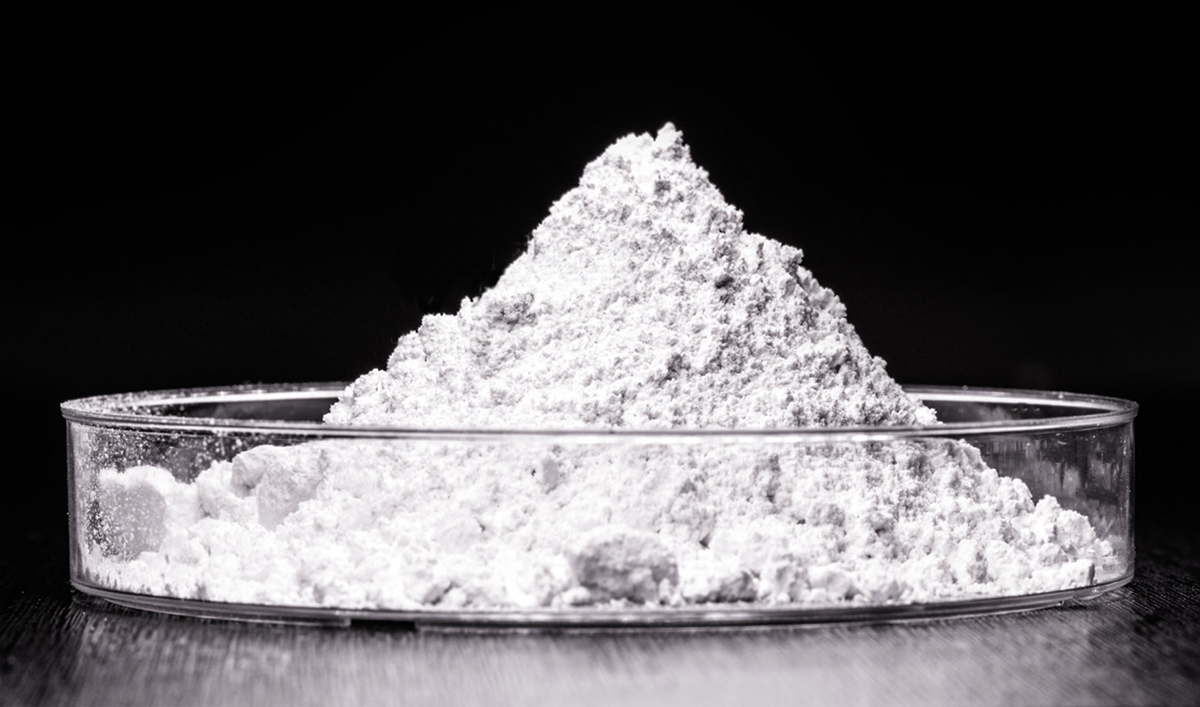
Let's dive deeper into specific application scenarios to illustrate how Metal Soap Stabilizers, including Zinc stearate, drive performance in real-world PVC products. Starting with rigid PVC: pipes and fittings are among the most common rigid PVC products, and they require stabilizers that can withstand high processing temperatures and provide long-term durability in harsh environments (e.g., underground, exposure to water). A typical stabilizer system for PVC pipes includes a blend of calcium stearate (primary acid scavenger), Zinc stearate (early color retention), and barium stearate (long-term thermal stability). This blend ensures the pipes don't discolor during extrusion, maintain their structural integrity under pressure, and resist degradation from soil moisture and temperature fluctuations. Without this stabilizer system, PVC pipes would become brittle and crack over time, failing to meet industry standards for safety and longevity.
Flexible PVC applications, which rely on plasticizers to achieve malleability, present unique challenges for stabilizers—they must be compatible with plasticizers and not migrate to the product surface. Zinc stearate excels here, as its fatty acid chain is compatible with common plasticizers like dioctyl phthalate (DOP) and diisononyl phthalate (DINP). In flexible PVC cable insulation, for example, a blend of Zinc stearate and calcium stearate ensures the insulation remains flexible, resists thermal degradation during extrusion, and maintains electrical insulation properties over time. This is critical for cables used in industrial settings or buildings, where high temperatures (from electrical current or ambient conditions) could otherwise degrade the PVC, leading to short circuits or fire risks. Another key flexible PVC application is flooring—vinyl flooring relies on Metal Soap Stabilizers to maintain its color consistency, flexibility, and resistance to wear and tear. Zinc stearate, in particular, helps prevent yellowing of light-colored flooring, ensuring it retains its esthetic appeal for years.
Medical PVC is another sector where Metal Soap Stabilizers play a vital role, with strict requirements for non-toxicity and biocompatibility. Here, stabilizer systems are often based on calcium and zinc soaps (including Zinc stearate) due to their low toxicity, replacing older, harmful stabilizers like lead or cadmium. Medical PVC tubing (used in IV lines, catheters, and dialysis equipment) requires stabilizers that don't leach into bodily fluids and can withstand steam sterilization. Zinc stearate, blended with magnesium stearate, provides the necessary thermal stability during processing and sterilization, while ensuring the tubing remains flexible and clear. This combination meets the rigorous standards of regulatory bodies like the FDA and EU's REACH, making it a safe choice for medical applications.
When selecting a Metal Soap Stabilizer system for PVC processing, manufacturers must consider several key factors. First, the type of PVC (rigid vs. flexible) dictates the stabilizer's compatibility with plasticizers—flexible formulations require stabilizers like Zinc stearate that blend well with plasticizers, while rigid formulations can use a wider range of metal soaps. Second, processing conditions (temperature, residence time) influence the stabilizer's performance: high-temperature processes (e.g., extrusion of thick-walled pipes) require stabilizers with strong long-term thermal stability, like barium stearate blends. Third, end-product requirements (color, toxicity, weather resistance) are critical—food or medical applications demand non-toxic stabilizers (calcium/zinc blends), while outdoor applications need stabilizers that resist UV degradation (often blended with UV absorbers). Finally, cost is a consideration: calcium stearate is the most economical option, while zinc and barium soaps are slightly more expensive but offer superior performance in specific areas.
Looking ahead, the future of Metal Soap Stabilizers in PVC processing is shaped by two key trends: sustainability and regulatory pressure. Governments worldwide are cracking down on toxic stabilizers (like lead and cadmium), driving demand for non-toxic alternatives like calcium-zinc blends, including Zinc stearate PVC formulations. Additionally, the push for more sustainable plastics is leading manufacturers to develop bio-based Metal Soap Stabilizers—for example, stearic acid derived from renewable sources like palm oil or soybean oil—reducing the carbon footprint of PVC production. Innovations in stabilizer technology are also focused on improving performance: new blends of metal soaps with co-stabilizers (like epoxy compounds or phosphites) are enhancing thermal stability, reducing migration in flexible PVC, and extending the service life of end products.
Metal Soap Stabilizers are indispensable to PVC processing, addressing the polymer's inherent thermal instability through their dual role as HCl scavengers and defect-capping agents. Their versatility—from rigid PVC pipes to flexible cable insulation and medical tubing—stems from their compatibility with PVC and other additives, as well as the ability to tailor blends for specific applications. Zinc stearate, in particular, stands out as a key player in these systems, offering excellent early color retention and compatibility with both rigid and flexible formulations. As the PVC industry continues to prioritize sustainability and safety, Metal Soap Stabilizers (especially non-toxic calcium-zinc blends) will remain at the forefront, enabling the production of high-quality, durable PVC products that meet the demands of modern industries and regulations. Understanding their mechanism of action and application-specific requirements is essential for manufacturers looking to unlock the full potential of PVC while ensuring product performance and compliance.
Post time: Jan-20-2026