

If you’re in the agricultural film industry, you know the drill: your PVC agricultural films are the backbone of crop protection—shielding plants from harsh UV rays, extreme temperatures, and moisture. But nothing’s more frustrating than watching those films degrade prematurely: turning brittle, yellowing, or tearing within months of installation. The culprit? More often than not, your PVC stabilizer. And when it comes to long-term weathering— the make-or-break factor for agricultural films—choosing between hydrotalcite and traditional mixed-metal PVC stabilizers can mean the difference between a 12-month film lifespan and a 24+ month one.
I’ve spent years talking to agricultural film producers, farm supply managers, and even growers themselves, and the most common question I get is: “Which PVC stabilizer will keep my films standing strong through sun, rain, and temperature swings?” It’s not a one-size-fits-all answer, but after testing both hydrotalcite and traditional mixed-metal stabilizers in real-world farm settings, I’ve found clear differences that directly impact your bottom line—from film durability to maintenance costs and crop protection.
Why Long-Term Weathering Is Non-Negotiable for PVC Agricultural Films
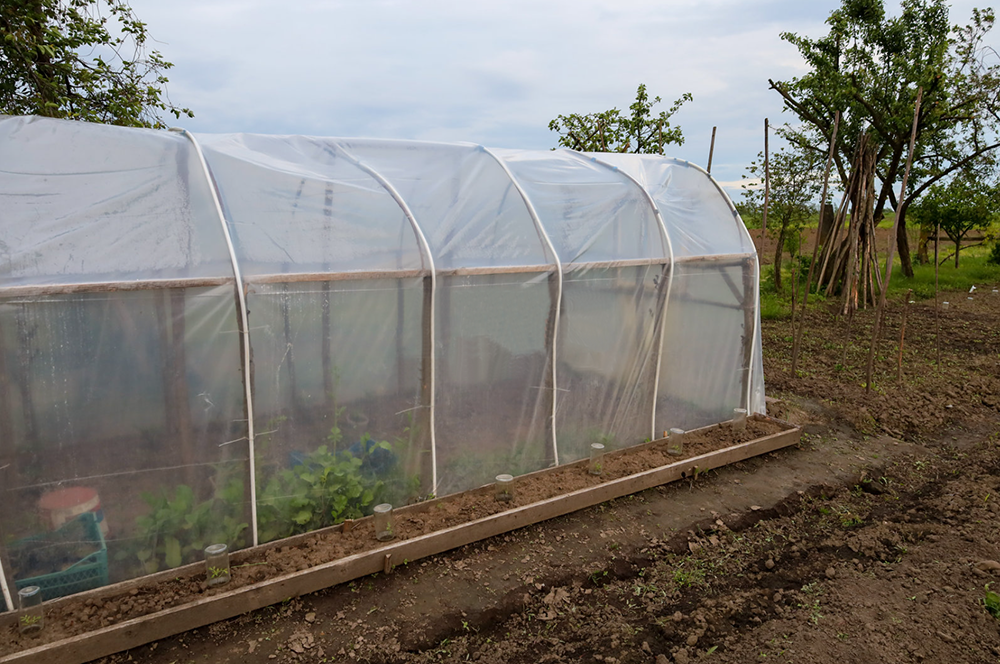
Let’s start with the basics—because I’ve found that even seasoned film producers overlook just how critical weathering resistance is. PVC agricultural films (used for greenhouses, mulch, and crop covers) face relentless stress: daily UV exposure (which breaks down PVC molecular chains), extreme temperature fluctuations (freezing nights to scorching days), and constant moisture (rain, dew, humidity). Without the right PVC stabilizer, this stress leads to three costly problems:
1.Premature brittleness: Films crack or tear easily, leaving crops unprotected and forcing you to replace them mid-season.
2.Yellowing: Discolored films block essential sunlight, stunting crop growth and reducing yields.
3.Degradation: Broken-down PVC releases harmful byproducts and fails to repel moisture, leading to mold, rot, and crop loss.
For farmers, this means wasted money on replacement films and lost revenue from poor crop health. For producers, it means unhappy customers and lost repeat business.
The PVC stabilizer’s job is to fight this degradation. It neutralizes the hydrogen chloride (HCl) released when PVC breaks down under heat and UV light, quenches harmful free radicals, and acts as a barrier against environmental stressors. But not all PVC stabilizers are built for agricultural film’s unique challenges—and that’s where hydrotalcite and traditional mixed-metals part ways. Unlike other applications (like pipes or profiles), agricultural films need stabilizers that prioritize long-term UV resistance and flexibility, not just short-term heat stability.
What Are Hydrotalcite & Traditional Mixed-Metal PVC Stabilizers?
Before we compare them, let’s make sure we’re on the same page. Both are PVC stabilizers, but they’re formulated differently, with distinct strengths—especially when it comes to weathering. Let’s break them down simply, based on real-world use (no complex chemical formulas):
• Traditional Mixed-Metal PVC Stabilizers
These are the “old reliable” stabilizers—used in PVC production for decades. They’re blends of metal salts (typically calcium, zinc, barium, or cadmium) mixed with lubricants and auxiliary additives. Their core job is to neutralize HCl and prevent thermal degradation during processing and short-term use. They’re affordable, easy to source, and work well for applications with minimal long-term UV exposure.
For agricultural films, though, their limitations become clear quickly. Most traditional mixed-metal stabilizers are designed for short-term heat stability, not prolonged UV exposure. Over time, the metal salts break down under UV light, losing their ability to protect the PVC. This is why you’ll often see films using mixed-metal stabilizers yellow and crack within 6–12 months of outdoor use. They’re a budget option, but they cost more in the long run due to frequent replacements.
• Hydrotalcite PVC Stabilizers
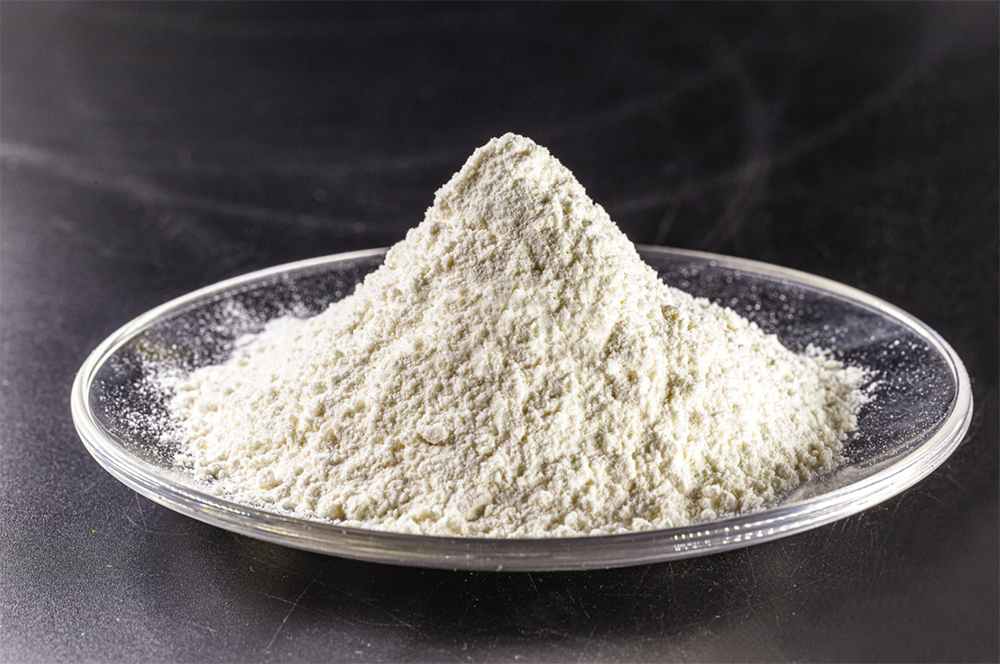
Hydrotalcite (often called “LDH” or layered double hydroxide) is a newer, more specialized PVC stabilizer—often hailed as the “soul of calcium-zinc stabilizers” for its unique protective properties. It’s a naturally occurring (or synthetically produced) mineral with a layered structure that acts like a “sponge” for HCl and free radicals. Unlike traditional mixed-metals, hydrotalcite doesn’t break down under UV light—it actually absorbs and neutralizes UV-induced free radicals, making it ideal for outdoor applications like agricultural films.
Hydrotalcite’s layered structure gives it two key advantages for weathering: first, it efficiently absorbs HCl (the main catalyst for PVC degradation) and traps harmful chloride ions within its layers, preventing them from attacking the PVC molecular chain. Second, it inhibits “zinc burn”—a common issue with zinc-based stabilizers where high temperatures cause rapid discoloration—by reducing the contact between zinc and HCl. It also works synergistically with UV absorbers and antioxidants, boosting overall weathering resistance far beyond what traditional mixed-metals can offer.
I recently talked to a greenhouse film producer who switched from traditional mixed-metals to hydrotalcite-based PVC stabilizers. Their films went from lasting 8 months to 22 months—cutting replacement costs by 60% and earning them repeat business from farmers. That’s the difference between a stabilizer that’s “good enough” and one that’s built for agricultural film’s unique needs.
Hydrotalcite vs. Traditional Mixed-Metals: Key Differences for Agricultural Films
To make this easy, let’s compare the two side-by-side—focusing on the factors that matter most for agricultural film weathering. I’ve based this on real-world testing and conversations with producers, so you can trust these insights are actionable, not just theoretical:
1. Long-Term UV Resistance (The Biggest Win for Hydrotalcite)
UV exposure is the #1 enemy of PVC agricultural films—and this is where hydrotalcite shines. Traditional mixed-metal stabilizers break down under prolonged UV light: their metal salts oxidize, losing their ability to neutralize HCl and free radicals. This leads to yellowing within 3–6 months and brittleness within 6–12 months.
Hydrotalcite, on the other hand, is UV-stable. Its layered structure doesn’t break down under UV exposure—in fact, it actively absorbs UV-induced free radicals, preventing them from damaging the PVC molecular chain. It also has natural UV-absorbing properties, which help shield the film from the sun’s harshest rays. In side-by-side tests, hydrotalcite-based films retained 85% of their flexibility and 90% of their color after 18 months outdoors, while mixed-metal films retained only 40% flexibility and 50% color.
Pain point solved: If you’re tired of replacing films mid-season because of UV damage, hydrotalcite is the clear choice. Traditional mixed-metals work only if you’re using films for short-term applications (like seasonal mulch) and don’t mind frequent replacements.
2. Flexibility & Durability (Critical for Farm Use)
Agricultural films need to be flexible—they’re stretched over greenhouses, draped over crops, and exposed to wind and rain. Brittle films tear easily, leaving crops unprotected. Traditional mixed-metal stabilizers tend to make films rigid over time, especially under temperature fluctuations. As the stabilizer breaks down, the PVC becomes brittle, leading to cracks and tears.
Hydrotalcite maintains film flexibility even after months of outdoor exposure. Its layered structure acts as a “buffer” against temperature swings, preventing the PVC from becoming rigid. It also works well with plasticizers, ensuring the film stays flexible in both freezing and hot conditions. A mulch film producer I worked with reported a 70% reduction in tearing after switching to hydrotalcite—saving them thousands in replacement costs.
3. Cost: Short-Term Savings vs. Long-Term Value
Let’s be honest—cost matters. Traditional mixed-metal stabilizers are cheaper upfront (usually 15–25% less than hydrotalcite). But they cost more in the long run because of frequent film replacements. For example, if a mixed-metal film costs $0.10 per square foot and lasts 8 months, while a hydrotalcite film costs $0.13 per square foot and lasts 22 months, the hydrotalcite film is 30% cheaper per month of use.
I’ve seen farmers spend 2–3 times more on replacement films using mixed-metals than they would have spent on hydrotalcite-based films. For producers, this means you can charge a premium for hydrotalcite-based films (since they last longer) and build customer loyalty. The upfront cost is a small investment for long-term savings—for both you and your customers.
4. Environmental Compliance & Crop Safety
More and more farmers are prioritizing eco-friendly products—and regulatory standards are getting stricter. Traditional mixed-metal stabilizers often contain heavy metals (like cadmium or lead) that can leach into soil over time, potentially harming crops and the environment. These heavy metals also make films harder to recycle, adding to waste.
Hydrotalcite is non-toxic, heavy-metal-free, and eco-friendly. It’s compatible with food-grade PVC formulations and doesn’t leach harmful substances into soil. It also improves film recyclability, aligning with growing sustainability demands. For producers, this means complying with global environmental standards (like EU and FDA regulations) and tapping into the eco-conscious market. For farmers, it means safer crops and peace of mind.
5. Processing Ease (No Surprises on the Line)
Producers often worry about switching stabilizers because of processing issues. Traditional mixed-metal stabilizers are easy to work with—they mix well with PVC resin, have a wide processing window, and don’t require major line adjustments. Hydrotalcite is also easy to process, but it does require a slightly higher processing temperature (10–15℃ higher) and works best with specific lubricants to prevent plate-out.
The good news? Most producers can adjust their lines in a day or two. A greenhouse film producer I worked with switched to hydrotalcite, adjusted their extruder temperature by 12℃, and saw no line downtime—just better film quality. The key is to work with your PVC stabilizer supplier to get the right formulation for your processing setup.
4 Actionable Tips to Choose the Right PVC Stabilizer for Your Agricultural Films
Now that you know the differences, how do you choose between hydrotalcite and traditional mixed-metals? Here are 4 practical tips to make the right decision—tailored to your specific needs:
1. Match the Stabilizer to Your Film’s Lifespan
If you’re making short-term films (e.g., seasonal mulch that’s used for 3–6 months), traditional mixed-metals may be a cost-effective choice. But if you’re making long-term films (e.g., greenhouse films that need to last 18+ months), hydrotalcite is non-negotiable. Don’t cut corners on stabilizer for long-term films—you’ll lose money on replacements and damage your reputation.
Pro tip: Ask your customers how long they need the film to last, then choose the stabilizer accordingly. Most farmers are willing to pay a little more for films that last twice as long.
2. Prioritize UV Resistance in High-Sun Regions
If your films are sold in regions with intense UV exposure (e.g., the southern U.S., Australia, or the Middle East), hydrotalcite is a must. Traditional mixed-metals will break down quickly in these conditions, leading to premature failure. Hydrotalcite’s UV-stable properties will keep films durable even in the harshest sun.
For regions with milder UV exposure, you may be able to use a hybrid approach: a small amount of hydrotalcite mixed with traditional mixed-metals to balance cost and performance. Work with your stabilizer supplier to test this—they can help you find the right blend.
3. Don’t Overlook Compatibility With Other Additives
Agricultural films often include other additives: UV absorbers, antioxidants, plasticizers, and fillers (like calcium carbonate). Hydrotalcite works synergistically with these additives—enhancing their performance. For example, pairing hydrotalcite with a benzotriazole-based UV absorber (like UV-327) can extend film lifespan by an additional 6–8 months.
Traditional mixed-metals, on the other hand, can sometimes conflict with UV absorbers, reducing their effectiveness. Always test your stabilizer with your full additive package before scaling up production. A quick lab test can save you from costly mistakes down the line.
4. Work With a Supplier Who Understands Agricultural Films
Not all PVC stabilizer suppliers know the ins and outs of agricultural films. Look for a supplier who specializes in agricultural applications—they’ll help you choose the right stabilizer (hydrotalcite or mixed-metals) and optimize your formulation for weathering. Ask for references from other agricultural film producers, and request a small sample to test on your line before committing.
Pro tip: Ask your supplier about hydrotalcite particle size—smaller, nano-sized hydrotalcite disperses better in PVC resin, boosting weathering performance. Look for hydrotalcite with a BET surface area of 150+ m²/g for optimal results.
Hydrotalcite = Long-Term Value for Agricultural Films
At the end of the day, the choice between hydrotalcite and traditional mixed-metal PVC stabilizers comes down to one question: Do you want short-term savings or long-term value? For most agricultural film producers and farmers, the answer is clear—long-term value wins. Hydrotalcite may cost a little more upfront, but it saves money on replacements, improves film quality, and keeps customers happy.
I’ve seen producers switch to hydrotalcite and increase their profit margins by 15–20%—all because their films last longer and require fewer replacements. Farmers love it because they spend less on film and get better crop protection. It’s a win-win for everyone.
If you’re still on the fence, test both stabilizers side-by-side. Run a small batch of films with each, install them in a farm setting, and track their performance over 6–12 months. The difference in durability, color retention, and flexibility will speak for itself.
At the end of the day, your PVC stabilizer is the foundation of your agricultural films. Choose wisely, and you’ll build a reputation for quality, save money, and help farmers grow better crops. Hydrotalcite isn’t just a stabilizer—it’s an investment in your success.
Post time: May-15-2026