

For PVC manufacturers, thermal stability is not just a technical indicator—it’s a decisive factor in product quality, production efficiency, and compliance with environmental regulations. PVC’s inherent vulnerability to thermal degradation during processing (at temperatures above 160℃) often leads to costly issues: discoloration, reduced mechanical strength, equipment corrosion, and even batch scrapping. Traditional stabilizers like lead-based or cadmium-based products once dominated the market but are now being phased out due to environmental and safety concerns. In this context, Hydrotalcite PVC Stabilizer has emerged as a game-changing solution, addressing core production pain points while enhancing thermal stability and sustainability. This blog breaks down its working mechanisms, practical benefits, and data-backed solutions for common production challenges.
Understanding the Root Cause of PVC Thermal Degradation
Before diving into hydrotalcite’s role, it’s critical to grasp why PVC struggles with heat. PVC resin (polyvinyl chloride) contains repeating -CH₂-CHCl- units, which are inherently unstable under heat. When exposed to processing temperatures (180-220℃ for most PVC products), PVC undergoes dehydrochlorination—releasing hydrochloric acid (HCl), a highly corrosive byproduct. This HCl then triggers a self-catalytic degradation chain reaction: even trace amounts accelerate further dehydrochlorination, leading to the formation of conjugated polyene sequences in the PVC matrix. The result? Yellowing, brittleness, and eventual material failure. Additionally, traditional calcium-zinc stabilizers (a common lead-free alternative) often suffer from “zinc burning”—a phenomenon where zinc chloride (formed after HCl absorption) catalyzes PVC degradation, shortening the stabilizer’s lifespan.
How Hydrotalcite PVC Stabilizer Addresses Production Pain Points
Hydrotalcite (HT), a layered double hydroxide (LDH) primarily composed of magnesium, aluminum, hydroxyl groups, and interlayer carbonate ions, acts through multiple synergistic mechanisms to solve these issues. Unlike single-function stabilizers, it targets degradation at every stage, delivering reliable thermal stability while resolving common production headaches.
1. Neutralizing HCl to Block Self-Catalytic Degradation
The primary function of Hydrotalcite PVC Stabilizer is to scavenge HCl efficiently, the root cause of PVC degradation. Its unique layered structure—with abundant surface hydroxyl groups (OH⁻) and interlayer carbonate ions (CO₃²⁻)—enables rapid, mild neutralization reactions. Unlike traditional alkaline fillers like calcium carbonate (CaCO₃), which have weak HCl absorption capacity and may cause local over-alkalinity, hydrotalcite reacts evenly to convert HCl into non-catalytic metal chlorides (MgCl₂, AlCl₃) and harmless byproducts (CO₂ and water).
Production Impact: This blocks the self-catalytic cycle, preventing premature yellowing and brittleness in products like PVC pipes, profiles, and films. Manufacturers no longer face the issue of batches being rejected due to discoloration after processing.
2. Regenerating Active Stabilizers to Prevent Zinc Burning
A major pain point with calcium-zinc stabilizers is zinc burning: after absorbing HCl, zinc soaps (e.g., zinc stearate) convert to ZnCl₂, which loses stability and accelerates PVC degradation. Hydrotalcite addresses this issue by regenerating active zinc soaps through ion exchange. Its interlayer carbonate ions react with ZnCl₂ to form ZnCO₃, which then recombines with stearate ions to regenerate zinc stearate—extending the stabilizer’s effective lifespan.
Production Impact: Eliminating zinc burning reduces material waste and allows for longer processing times, critical for complex products like thick-walled pipes or co-extruded profiles that require extended residence time in extruders.
3. Physical Barrier Effect for Enhanced Long-Term Stability
Hydrotalcite’s nano-layered structure disperses uniformly in the PVC matrix, forming a physical barrier that slows HCl diffusion and heat transfer. This barrier effect complements its chemical neutralization, delaying both thermal and photo-oxidative degradation. For outdoor PVC products (e.g., siding, outdoor cables), it also enhances UV resistance—since the metal hydroxide layers in hydrotalcite absorb UV radiation, reducing photo-induced degradation.
Production Impact: Products maintain mechanical properties and appearance over time, reducing warranty claims and improving customer satisfaction. Outdoor products can meet stricter durability standards without additional UV stabilizers.
4. Optimizing Processing Performance and Cost Efficiency
Beyond thermal stability, Hydrotalcite PVC Stabilizer improves processing efficiency—a key concern for manufacturers. Its lamellar structure acts as an internal lubricant, reducing melt viscosity and processing torque in extruders and injection molding machines . This lowers energy consumption and prevents local overheating caused by excessive shear stress. Additionally, its high specific surface area promotes uniform dispersion of other stabilizers (e.g., calcium stearate, epoxy soybean oil), maximizing the overall efficiency of the stabilizer system and reducing total additive dosage.
Production Impact: Lower processing torque translates to higher line speeds and reduced energy costs. Uniform dispersion minimizes quality inconsistencies (e.g., spots, uneven hardness) across batches.
5. Compliance with Environmental Regulations
Lead and cadmium stabilizers are banned or restricted under global regulations like RoHS, REACH, and Prop 65 due to their toxicity and environmental persistence. Hydrotalcite is a non-toxic, inorganic material that meets all major environmental standards . It enables manufacturers to transition to lead-free formulations without sacrificing thermal stability—critical for accessing markets in Europe, North America, and Asia.
Production Impact: Avoids regulatory penalties and expands market access. Environmentally friendly formulations also appeal to eco-conscious customers, strengthening brand reputation.
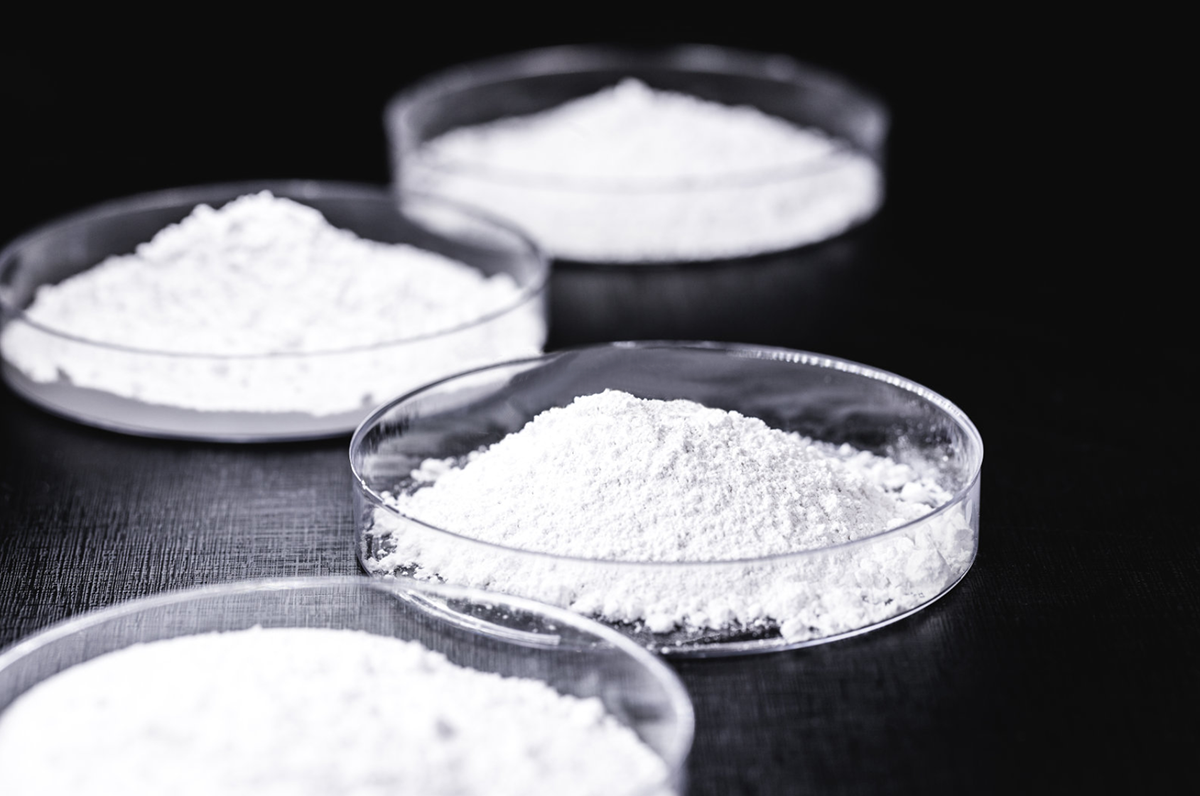
Data-Backed Results: Hydrotalcite vs. Traditional Stabilizers
To validate hydrotalcite’s performance, we conducted dynamic and static thermal aging tests using common PVC processing parameters. The tests compared three formulations (based on 100 parts PVC resin):
|
Formulation |
Components (parts by weight) |
Dynamic Thermal Stability (200℃, time to yellowing) |
Static Thermal Stability (190℃, time to blackening) |
|
A (Traditional Ca-Zn) |
3.0 CaSt₂, 1.5 ZnSt₂, 2.0 ESO |
35 minutes |
30 minutes |
|
B (Ca-Zn + 0.5 Hydrotalcite) |
3.0 CaSt₂, 1.5 ZnSt₂, 2.0 ESO, 0.5 Hydrotalcite |
45 minutes |
70 minutes |
|
C (Ca-Zn + 1.0 Hydrotalcite) |
3.0 CaSt₂, 1.5 ZnSt₂, 2.0 ESO, 1.0 Hydrotalcite |
75 minutes (slight yellowing) |
>90 minutes (no full blackening) |
Note: ESO = Epoxidized Soybean Oil; CaSt₂ = Calcium Stearate; ZnSt₂ = Zinc Stearate. Tests conducted using a two-roll mill (dynamic) and oven aging (static) .
The results confirm that adding Hydrotalcite PVC Stabilizer significantly improves thermal stability. Formulation C—with 1.0 part hydrotalcite—extended dynamic yellowing time by 114% and static blackening time by over 200% compared to the traditional formulation. This directly translates to fewer production interruptions and higher-quality output.
Practical Tips for Optimizing Hydrotalcite Usage in Production
To maximize the benefits of Hydrotalcite PVC Stabilizer, address these common application challenges:
1. Dosage Optimization
Hydrotalcite works best at 5-8% of the calcium-zinc stabilizer dosage . For rigid PVC (e.g., ceiling panels, pipes), 0.8-1.2 parts per 100 parts PVC resin is ideal. Excessive dosage may increase material cost without proportional gains; insufficient dosage fails to prevent zinc burning. Test with torque rheometers to find the optimal balance for your specific formulation.
2. Compatibility with Other Additives
Hydrotalcite exhibits strong synergy with calcium-zinc soaps, epoxy soybean oil (ESO), and β-diketones . Avoid combining it with polyols, which cause antagonistic effects and reduce thermal stability. For lubricants, use stearic acid or PE wax in moderate amounts (0.5-1.0 parts) to avoid wrapping hydrotalcite particles and inhibiting their HCl-scavenging ability.
3. Raw Material Quality Control
Choose high-purity hydrotalcite (Mg/Al molar ratio 3:1 is optimal ) with low moisture content (<0.3%). Moisture can cause hydrolysis of calcium-zinc stabilizers and generate bubbles in the final product. Store hydrotalcite in sealed containers in dry warehouses (humidity ≤60%) and use the “first-in, first-out” principle to avoid degradation over time.
4. Processing Parameter Adjustment
Hydrotalcite’s lubricating effect reduces melt viscosity. Adjust extruder temperature (lower by 5-10℃ if necessary) and screw speed to avoid under-processing. For injection molding, shorten cooling time slightly—hydrotalcite-enhanced PVC retains mechanical strength even with faster cycles.
Hydrotalcite PVC Stabilizer as a Production Game-Changer
Hydrotalcite PVC Stabilizer is more than just an additive—it’s a comprehensive solution to the thermal stability challenges that plague PVC manufacturers. By neutralizing HCl, regenerating active stabilizers, forming physical barriers, optimizing processing, and ensuring regulatory compliance, it addresses core pain points from formulation to final production. The data-backed results and practical application tips demonstrate its ability to improve product quality, reduce waste, and lower costs—all while supporting the industry’s shift to green manufacturing.
For manufacturers struggling with discoloration, zinc burning, or regulatory pressures, integrating Hydrotalcite PVC Stabilizer into calcium-zinc formulations is a proven strategy to enhance thermal stability and gain a competitive edge. Invest in high-quality hydrotalcite, optimize your dosage and processing parameters, and watch as production inconsistencies and waste become a thing of the past.
Post time: Feb-26-2026