

For PVC manufacturers, finding a stabilizer that balances performance, processability, and sustainability has long been a tricky quest. Rigid PVC products like window frames, door panels, and construction profiles demand consistent heat resistance, smooth surface finish, and compliance with strict environmental regulations—all while keeping production efficient and defect-free. Enter granular calcium-zinc (Ca-Zn) complex stabilizers: a game-changing solution that addresses core industry challenges while unlocking new possibilities for high-quality PVC manufacturing.
The Tech Behind the Granules: Why Form Matters
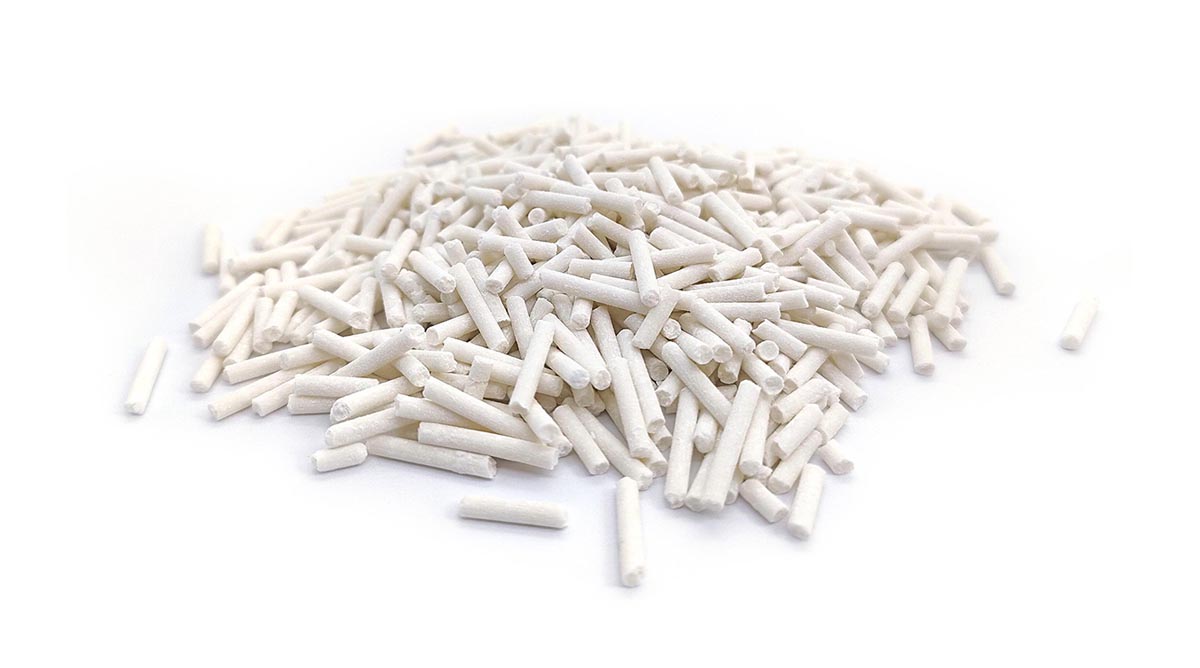
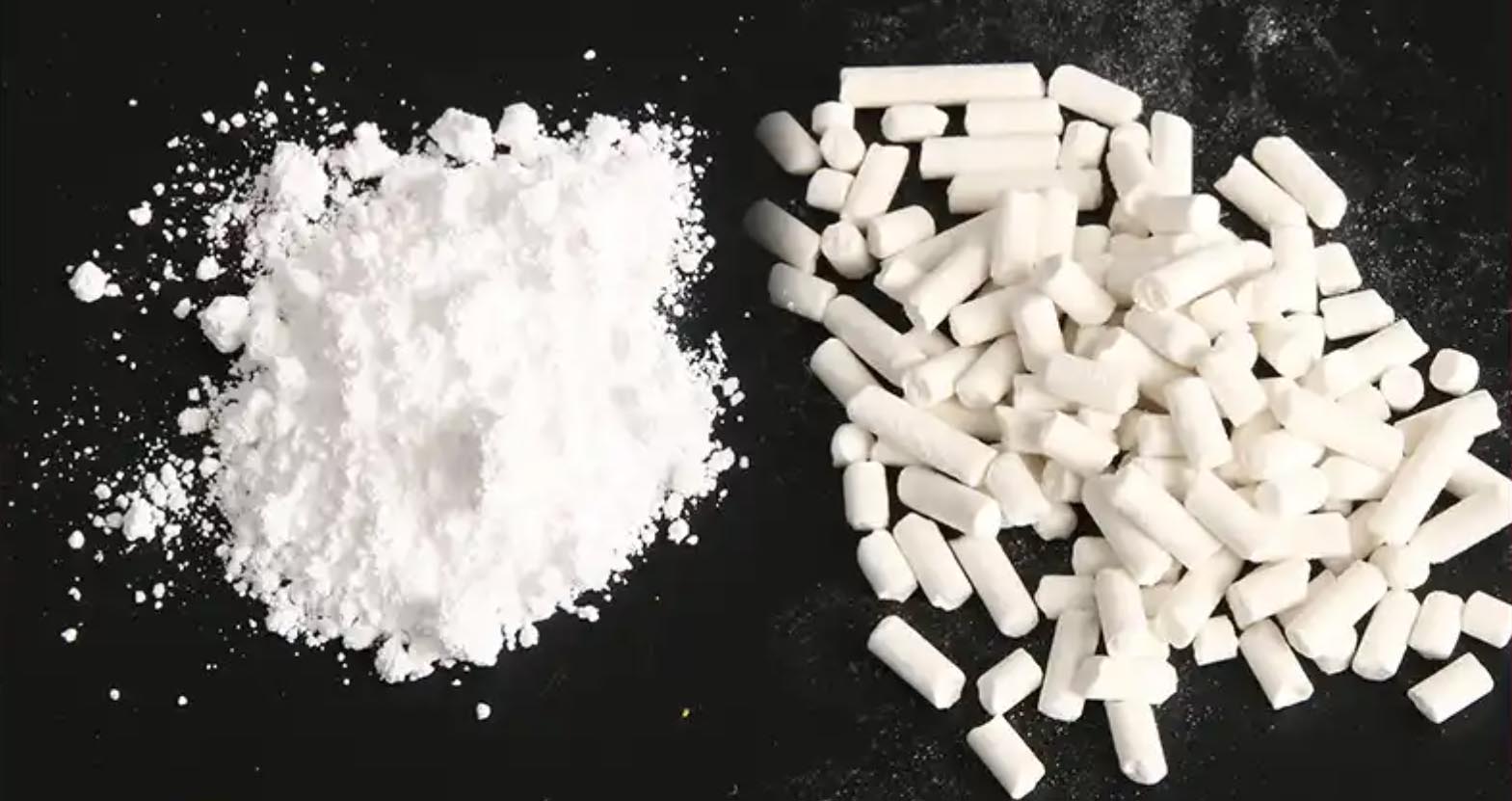
Unlike powdered stabilizers that are messy, hard to meter, or prone to clumping, granular Ca-Zn stabilizers are engineered for precision. Their uniform particle size ensures easy integration into PVC compounds, eliminating the hassle of uneven dispersion—a common culprit behind product inconsistencies. But the technical benefits go beyond handling:
• Superior Heat Stability: Critical for rigid PVC processing (e.g., extrusion, injection molding), these stabilizers resist thermal degradation during high-temperature manufacturing, preventing discoloration and structural weakness in end products.
• Enhanced Flowability: The granular form reduces friction between PVC resin particles, improving melt flow during processing. This not only speeds up production cycles but also delivers smoother surfaces on profiles and panels—no more rough edges or surface blemishes.
• Built-in Lubricity: A key advantage for construction materials, the stabilizers’ inherent lubricating properties streamline fabrication, allowing seamless molding of complex PVC components without sticking to machinery.
Versatile Applications: From Construction to Beyond
Granular Ca-Zn stabilizers shine brightest in rigid PVC production, where their performance directly impacts product durability and aesthetics. Window frames and door panels, for example, rely on their heat stability to withstand harsh weather conditions over time, while construction profiles benefit from consistent dispersion to maintain structural integrity. But their versatility doesn’t stop there—they’re also ideal for PVC pipes, fittings, and even decorative trim, adapting to different processing methods without compromising quality.
For manufacturers targeting green building markets, these stabilizers are a compliance win: unlike heavy metal-based alternatives (e.g., lead or cadmium stabilizers), they’re eco-friendly, non-toxic, and meet global environmental standards (such as EU REACH and US EPA regulations). This makes them a go-to choice for brands prioritizing sustainability without sacrificing performance.
Solving Producers‘ Top Pain Points
PVC manufacturers face unique challenges that can derail production efficiency and product quality. Here’s how granular Ca-Zn stabilizers address the most pressing issues:
▼ Pain Point 1: Poor Dispersion Leading to Defects
Unevenly distributed stabilizers cause hot spots, discoloration, and brittle spots in PVC products—costing manufacturers time and money in rework. Solution: The granular format ensures uniform mixing with PVC resin, even in high-speed extruders. Producers no longer need to invest in extra mixing equipment or extend processing time; the stabilizers disperse consistently, cutting defect rates significantly.
▼ Pain Point 2: Low Process Efficiency Due to Poor Flow
Sticky PVC compounds slow down production, cause machine wear, and result in inconsistent product dimensions. Solution: Granular Ca-Zn stabilizers improve melt flow by reducing internal friction. This allows faster line speeds, shorter cycle times, and less downtime for machine cleaning—boosting overall productivity by up to 15% (based on industry benchmarks).
▼ Pain Point 3: Environmental Compliance Risks
Heavy metal stabilizers face increasing bans worldwide, leaving manufacturers vulnerable to regulatory penalties and reputational damage. Solution: With zero harmful heavy metals, granular Ca-Zn stabilizers eliminate ecological risks. They’re easy to integrate into existing production lines (no need for expensive equipment upgrades) and help brands meet sustainability goals while staying compliant.
▼ Pain Point 4: Difficulty in Precise Metering
Powdered stabilizers are hard to measure accurately, leading to overuse (increasing costs) or underuse (compromising stability). Solution: Granular particles are easy to dose with standard feeding equipment, ensuring precise control over additive levels (typically 3-5 PHR). This not only reduces material waste but also maintains consistent product quality batch after batch.
Why Granular Ca-Zn Stabilizers Are the Future of PVC
In a market where efficiency, sustainability, and quality are non-negotiable, granular calcium-zinc complex stabilizers check all the boxes. They solve long-standing production pain points, adapt to diverse rigid PVC applications, and align with the industry’s shift toward eco-friendly manufacturing. For producers looking to stay competitive, this technology isn’t just an upgrade—it’s a necessity.
Whether you’re manufacturing construction profiles, window frames, or PVC fittings, granular Ca-Zn stabilizers deliver the reliability and performance needed to stand out in a crowded market. As environmental regulations tighten and consumer demand for sustainable products grows, these stabilizers will continue to be the preferred choice for forward-thinking PVC manufacturers.
Have you experienced challenges with dispersion, process efficiency, or compliance in your PVC production? Share your thoughts in the comments—or reach out to learn how granular Ca-Zn stabilizers can be tailored to your specific workflow!
Post time: Jan-04-2026