

For PVC pipe manufacturers across the globe, choosing the right PVC Stabilizer for Pipes is one of the most overlooked yet critical formulation decisions. A mismatched stabilizer will trigger a chain of production headaches: unexpected yellow streaks during round-the-clock extrusion, failed long-term pressure aging tests, rejected drinking water safety certifications, and avoidable financial losses from large batches of defective finished pipes. As lead-based stabilizers face full phase-outs across North America, Europe and most emerging markets due to tightening environmental and public health regulations, two lead-free solutions have dominated the industry: calcium zinc stabilizer and barium zinc stabilizer, both core types of practical PVC heat stabilizer for rigid water supply, drainage and buried sewage pipelines. Having worked directly with production lines and resolved real formulation faults for over 60 pipe factories, I will share unbiased, field-tested comparisons covering processing adaptability, compliance limits, long-term durability and total operational cost, to help you skip costly trial runs and pick a stabilizer tailored to your actual production needs.
Why PVC Pipe Manufacturers Cannot Ignore Stabilizer Selection
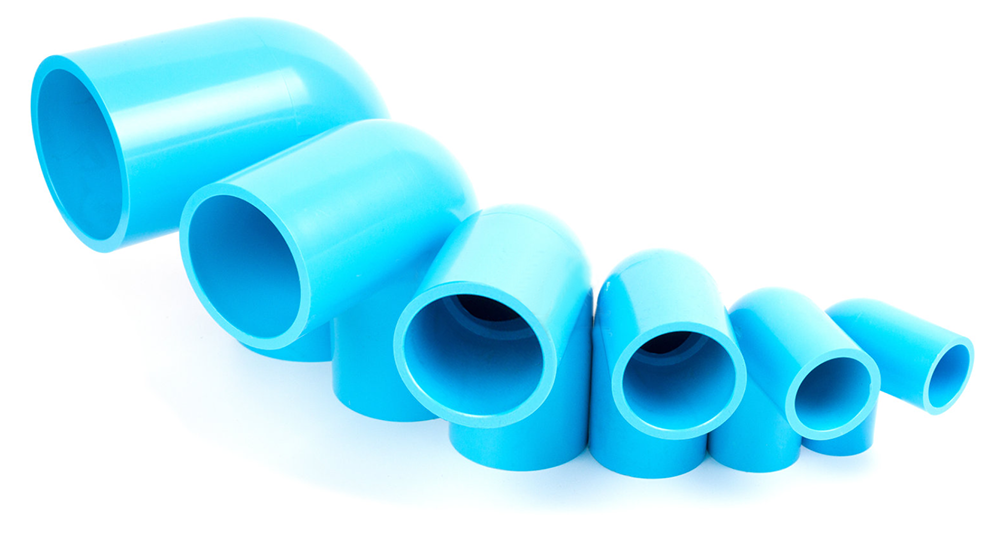
Rigid PVC pipe extrusion runs at high temperatures ranging from 180℃ to 205℃. Without matched stabilizers, PVC resin will decompose rapidly, release hydrogen chloride gas, and cause irreversible defects including early yellowing, brittle pipe walls, reduced pressure resistance and shortened service life. Unlike general PVC profiles, water and drainage pipes bear unique working conditions that raise higher requirements for stabilizers:
• Buried drainage and sewage pipes require excellent long-term anti-aging and underground corrosion resistance for over 50 years of service life
• Potable water supply pipes must pass strict non-toxic certifications such as NSF 61 and REACH to avoid harmful substance leaching
• All pressure pipes need stable mechanical performance to resist continuous internal water pressure and external soil extrusion
From my years of frontline technical support experience, more than 70% of common PVC pipe production defects have nothing to do with raw PVC resin quality or filler purity. Most issues simply stem from pairing the wrong stabilizer with the wrong pipe application. Many purchasing teams only compare raw material prices on paper, without considering extrusion line speed, working environment or end-market certification rules. Below is a practical, factory-focused performance comparison, built on real twin-screw extrusion data rather than ideal lab test results.
Core Performance Comparison: Calcium Zinc Stabilizer vs Barium Zinc Stabilizer
Both stabilizers are eco-friendly metal soap composite additives that meet global lead-free requirements, but their unique metallic component ratios create clear performance gaps in real high-temperature extrusion environments. Every performance point listed below has been verified through continuous line production and multi-year buried pipe aging tests, reflecting actual factory working conditions instead of controlled laboratory environments.
1. High-Temperature Extrusion Thermal Stability
Barium zinc stabilizers deliver stronger initial thermal stability and wider processing windows during high-speed pipe extrusion. The barium component effectively suppresses early-stage PVC discoloration under continuous high-temperature operation, which fits high-output twin-screw extrusion lines running 24 hours nonstop. In contrast, calcium zinc stabilizers have slightly weaker initial heat resistance. They are prone to slight yellowing if the extrusion temperature fluctuates or production speed increases suddenly, requiring stricter temperature control throughout production.
2. Long-Term Anti-Aging and Hydraulic Pressure Resistance
For thick-wall sewage pipes and high-pressure water pipes, long-term stability matters more than initial color performance. Barium zinc formulas maintain stable mechanical strength after long-term thermal aging, keeping consistent hydraulic pressure resistance for buried pipes exposed to temperature changes all year round. Calcium zinc stabilizers have outstanding long-term static stability but poorer dynamic aging resistance under continuous pressure load, making them less suitable for thick-wall heavy-duty sewage pipelines.
3. Sanitation and Environmental Compliance
This is the biggest dividing line between the two products. Calcium zinc stabilizers are fully non-toxic, heavy-metal-free and fully compliant with NSF 61, REACH and food-contact standards. They have zero risk of metal ion precipitation, making them the only qualified lead-free stabilizer for direct drinking water supply pipes. Barium zinc stabilizers contain trace barium elements, which are restricted in direct potable water applications by most European and North American regulations. They are allowed for non-potable drainage, rainwater and industrial sewage pipes but cannot be used for municipal domestic drinking water pipeline projects.
4. Formulation Compatibility and Zinc Burn Risk
Zinc burn is a common fatal defect in PVC pipe production, referring to sudden local black decomposition caused by excessive zinc accumulation. Calcium zinc systems have balanced calcium and zinc ratios, with extremely low zinc burn risk and excellent compatibility with common PVC processing lubricants and fillers. Barium zinc stabilizers have higher zinc content; improper additive proportion will easily trigger zinc burn, requiring more precise formula debugging and stricter feeding control during production.
5. Comprehensive Production Cost
Raw material cost of barium zinc stabilizers is 8%–12% lower than food-grade calcium zinc stabilizers. Meanwhile, its wider processing window reduces production downtime caused by temperature adjustment and defective products, cutting overall production loss. Calcium zinc stabilizers have higher unit prices and stricter production requirements, but they save extra compliance testing costs for drinking water pipe certifications.
Scenario-Based Selection Rules for Different PVC Pipes
Based on real formulation service cases for more than 60 PVC pipe factories worldwide, we sort out clear one-click selection rules to help manufacturers avoid formula mismatches:
• Choose Calcium Zinc Stabilizer for These Pipe Products
- Potable cold and hot water supply pipes for municipal engineering and residential plumbing
- Thin-wall low-pressure water pipes with strict food-grade and environmental certification requirements
- Small and medium production lines with ordinary extrusion speed and stable temperature control systems
• Choose Barium Zinc Stabilizer for These Pipe Products
- Conventional domestic drainage pipes, rainwater pipes and non-pressure waste water pipelines
- Thick-wall buried sewage pipes and industrial non-potable wastewater pipes
- High-speed continuous extrusion production lines pursuing higher output and lower comprehensive costs
Common Production Mistakes to Avoid
Even with correct stabilizer selection, improper usage will still cause pipe quality problems. We summarize three most frequent mistakes encountered in after-sales technical support:
• Using barium zinc stabilizers for drinking water pipes: This will lead to unqualified water quality testing and failed export customs clearance, bringing huge order loss risks.
• Overusing calcium zinc stabilizers on high-speed extrusion lines: Narrow processing windows will cause continuous yellowing defective pipes and reduce overall production efficiency.
• Ignoring lubricant matching: Both stabilizers need matched internal and external lubricants. Mismatched lubrication will cause uneven pipe wall thickness regardless of stabilizer performance.
Common Questions About PVC Pipe Stabilizer Selection
Q1: Is it safe to swap barium zinc stabilizer for calcium zinc stabilizer across all PVC pipe production?
A: No. Direct replacement will cause compliance failure for drinking water pipes due to residual barium elements. For common drainage pipes, direct replacement is feasible and can lower production costs, but formula lubricant ratios need minor adjustment to avoid zinc burn.
Q2: What is the better stabilizer choice for outdoor PVC pipes exposed to direct sunlight?
A: Barium zinc stabilizers perform better for outdoor exposed drainage pipes thanks to superior anti-UV and long-term thermal aging performance. If outdoor water supply pipes are required, customized weather-resistant calcium zinc formulas with added UV absorbers are recommended to meet sanitation standards.
Q3: What causes black spots on PVC pipes even when using standard composite stabilizers?
A: Most black decomposition issues stem from mismatched lubricants rather than stabilizer quality. Excessive internal lubricants will change PVC melting viscosity, leading to local overheating inside the screw barrel. Adjusting lubricant dosage first can solve over 70% of such blackening problems.
Q4: Which stabilizer brings lower overall manufacturing costs for PVC pipe production?
A: It depends on application scenarios. For drinking water pipes, calcium zinc saves expensive third-party sanitation certification fees, so the overall cost is lower. For ordinary drainage pipes, barium zinc has lower raw material cost and higher production yield, delivering better cost performance.
Q5: Are calcium zinc and barium zinc stabilizers competent enough to replace old lead-based stabilizers completely?
A: Yes. Modern optimized calcium zinc and barium zinc formulas can completely match the thermal stability and mechanical performance of lead-based stabilizers. Meanwhile, they meet global increasingly strict environmental protection policies, helping manufacturers avoid export restrictions and meet green building material standards.
There is no universal “best” PVC pipe stabilizer that fits all production scenarios. The golden rule for selection is simple: match stabilizer performance to your pipe usage, production line running speed, daily operating hours and target market certification standards. Cutting corners on stabilizer costs often leads to far higher hidden losses later, including scrapped pipe batches, failed export inspections and shortened product service life. If you need targeted formulation advice based on your specific pipe wall thickness, extrusion equipment parameters or overseas compliance standards, our technical team provides free customized formula optimization support to help you lift product qualification rates and streamline overall production costs effectively.
Post time: Jul-14-2026