
Picking out the right PVC belt isn't always a walk in the park. With so many options out there, it really pays to understand what you actually need. John Smith, from PVC Solutions Inc., puts it pretty straightforward: "Choosing the right material is just as important as getting the right size." That quote honestly hits the nail on the head—it’s all about being informed to make smart choices.
When you're shopping for a PVC belt, think about what you’re using it for, how much weight it needs to handle, and the environment it’ll be working in. Every job’s a little different, so what works for one might not work for another. The right belt can really make a difference—it can boost efficiency and last longer. But, if you pick the wrong one, you risk trouble down the line—failures, extra costs, you name it.
It’s also a good idea to really consider your specific setups. Take some time to analyze your operations. Ask yourself stuff like: Will this belt be exposed to harsh chemicals? Does it need to handle extreme temperatures? Little details like that matter more than you might think. Thinking things through like this helps you avoid costly mistakes and ensures you get the best performance out of your PVC belt.

Understanding the Basics of PVC Belts and Their Applications
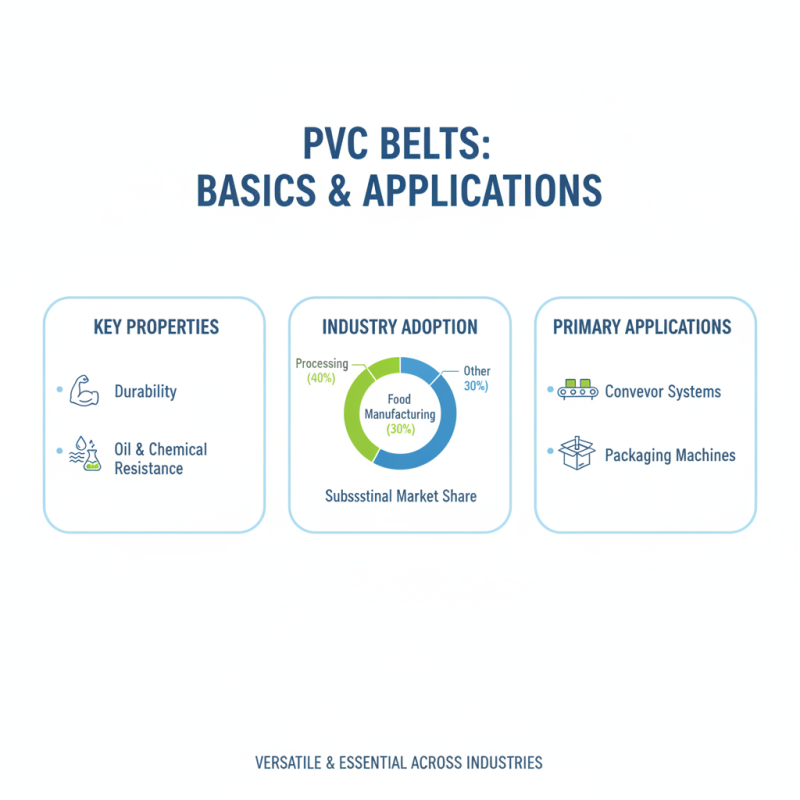
PVC belts are essential in various industries. Understanding the specifics of PVC belts is crucial for making an informed choice. The properties of these belts include durability, flexibility, and resistance to oils and chemicals. According to recent industry reports, PVC belts have a substantial market share, especially in the food processing and manufacturing sectors. Their applications are broad, ranging from conveyor systems to packaging machines.
Selecting the right PVC belt involves several factors. The thickness of the belt impacts its load capacity. A thicker belt can carry more weight but may require more energy to operate. In contrast, thinner belts may be suitable for lighter applications. Industry data indicates that the right choice can enhance efficiency by up to 30%. It is important to consider the environment where the belt will be used. High temperatures or exposure to chemicals can significantly shorten the lifespan of a belt.
Many users overlook the importance of maintenance. Regular inspections can prevent failures, saving time and costs. Reports suggest that improper maintenance can lead to a 20% decrease in lifespan. Choosing a PVC belt is not just about selecting the right size. It requires a clear understanding of specific needs and conditions for optimal performance.

Understanding the Benefits and Applications of Liquid Calcium Zinc PVC Stabilizer in Modern Manufacturing
Liquid Calcium Zinc PVC Stabilizer is becoming increasingly significant in modern manufacturing due to its multifaceted benefits and extensive applications. This yellowish clear oily liquid enhances the thermal stability and longevity of PVC products, making it an ideal choice for industries demanding durable materials. Recommended dosages typically range from 2 to 3 parts per hundred resins (PHR), allowing manufacturers to achieve optimal performance without compromising the quality of their end products.
The stabilizer's efficacy lies not only in its ability to control thermal degradation but also in its compatibility with a wide range of formulations. According to recent industry reports, the global PVC market is projected to grow to $100 billion by 2025, driven in part by the innovative use of stabilizers that improve the physical properties of PVC. Liquid Calcium Zinc stabilizers are versatile and can be packed conveniently in 180-200 KG plastic or iron drums, as well as in 1000 KG IBC tanks, facilitating easy transportation and storage. With a shelf life of 12 months, it allows for flexible inventory management, making it a preferred choice for manufacturers looking to optimize their production processes.
Additionally, implementing Liquid Calcium Zinc stabilizers can provide environmental advantages over traditional lead-based alternatives, aligning with increasing regulatory pressures and consumer demand for safer, eco-friendly products. As industries continue to adopt sustainable practices, the role of advanced stabilizers like Liquid Calcium Zinc becomes crucial in promoting both product integrity and environmental stewardship.

FAQS
: PVC belts are known for their durability, flexibility, and resistance to oils and chemicals.
Thicker belts can carry more weight but may require more energy to operate effectively.
Regular inspections can prevent failures, potentially saving time and costs associated with downtime.
PVC belts can lose integrity at temperatures above 70°C, leading to material deformation.
Hygiene standards must be met, making specific types of belts necessary in these environments.
Improper tension can cause faster wear and unexpected failures, reducing overall performance.
There are reinforced PVC for heavy-duty use and softer types for flexibility in lighter applications.
Different applications require different strengths, stretch levels, and resistance to chemicals and abrasion.
Inadequate selection can lead to downtime and decreased productivity by 45% in some cases.
Regular inspections are needed to ensure longevity and avoid significant performance issues over time.
Conclusion
When choosing the right PVC belt for your needs, it's essential to first understand the basics of PVC belts and their various applications. Identifying your specific needs, such as the intended use and environmental conditions, plays a critical role in the selection process. Key factors to consider include the belt materials, their properties, and how they align with your requirements.
Additionally, evaluating the appropriate width and length of the PVC belt is crucial for optimal performance. Exploring different fastening and connection options can enhance usability and safety. Lastly, incorporating maintenance tips into your routine can significantly prolong the life of your PVC belts, ensuring reliable performance over time. By considering these aspects, you can make an informed choice that best meets your requirements.
Related Posts
-

Understanding the Durability of PVC Belts in Modern Industries Based on Latest Market Data
-

Top PVC Additives Benefits and Applications You Should Know?
-

2025 Market Trends: How the Best PVC Stabilizer Manufacturers Are Shaping Industry Growth
-

Best PVC Stabilizer for Textile Applications What to Consider?
-

5 Key Tips for Sourcing Titanium Dioxide Sigma Globally
-

Top 10 Engineering Plastic Additives You Need to Know?
